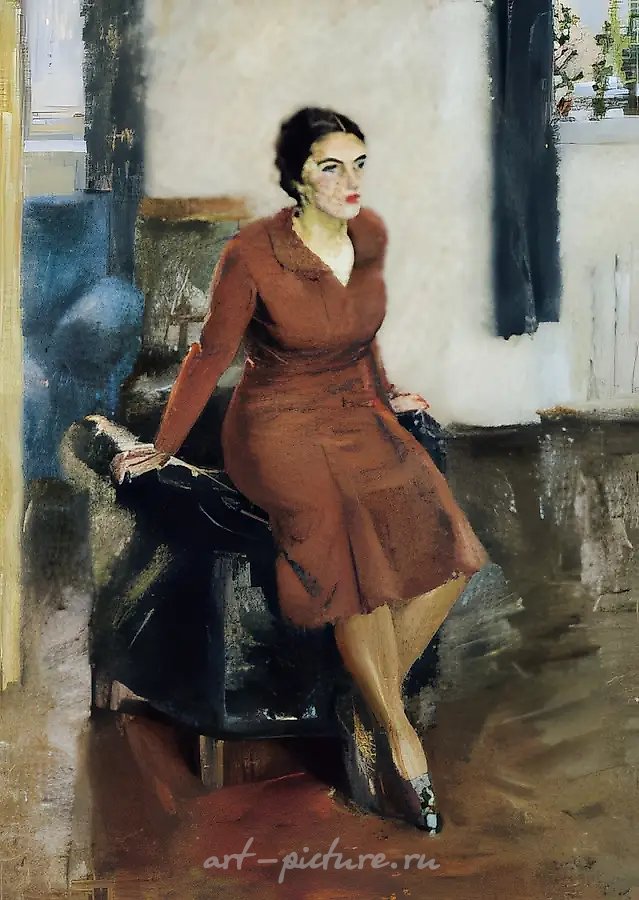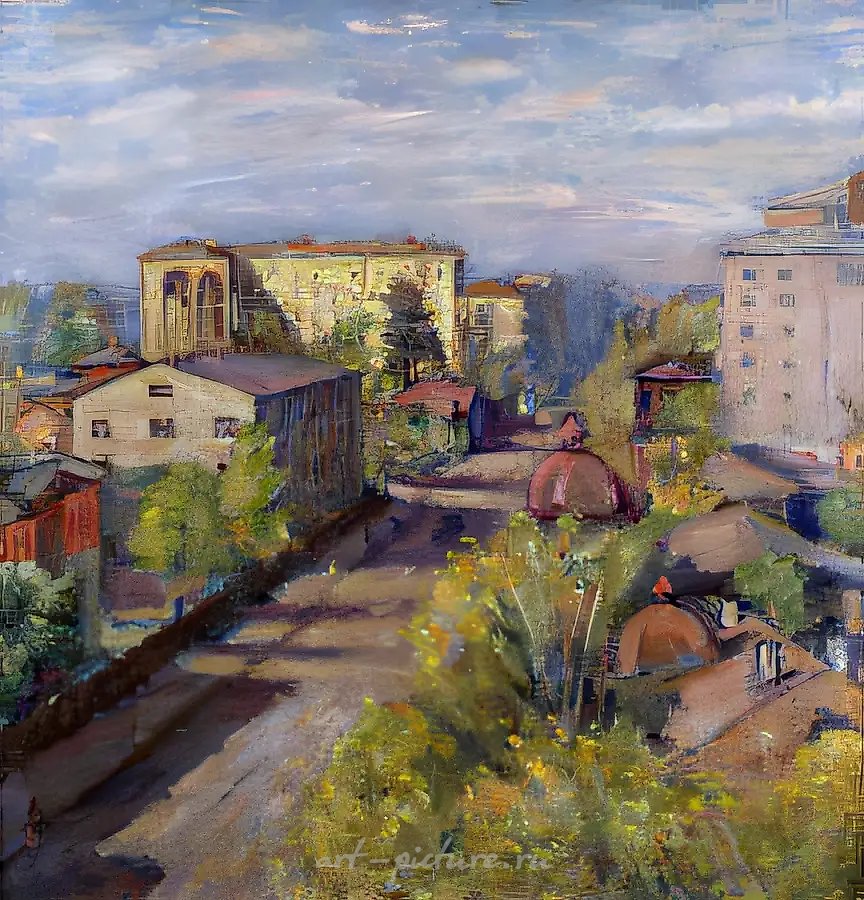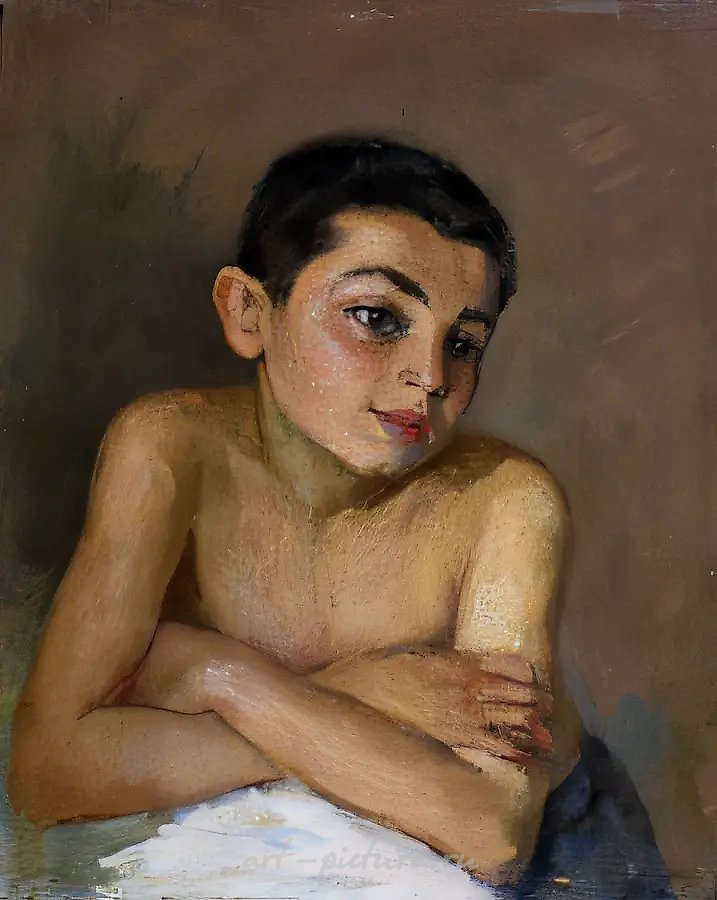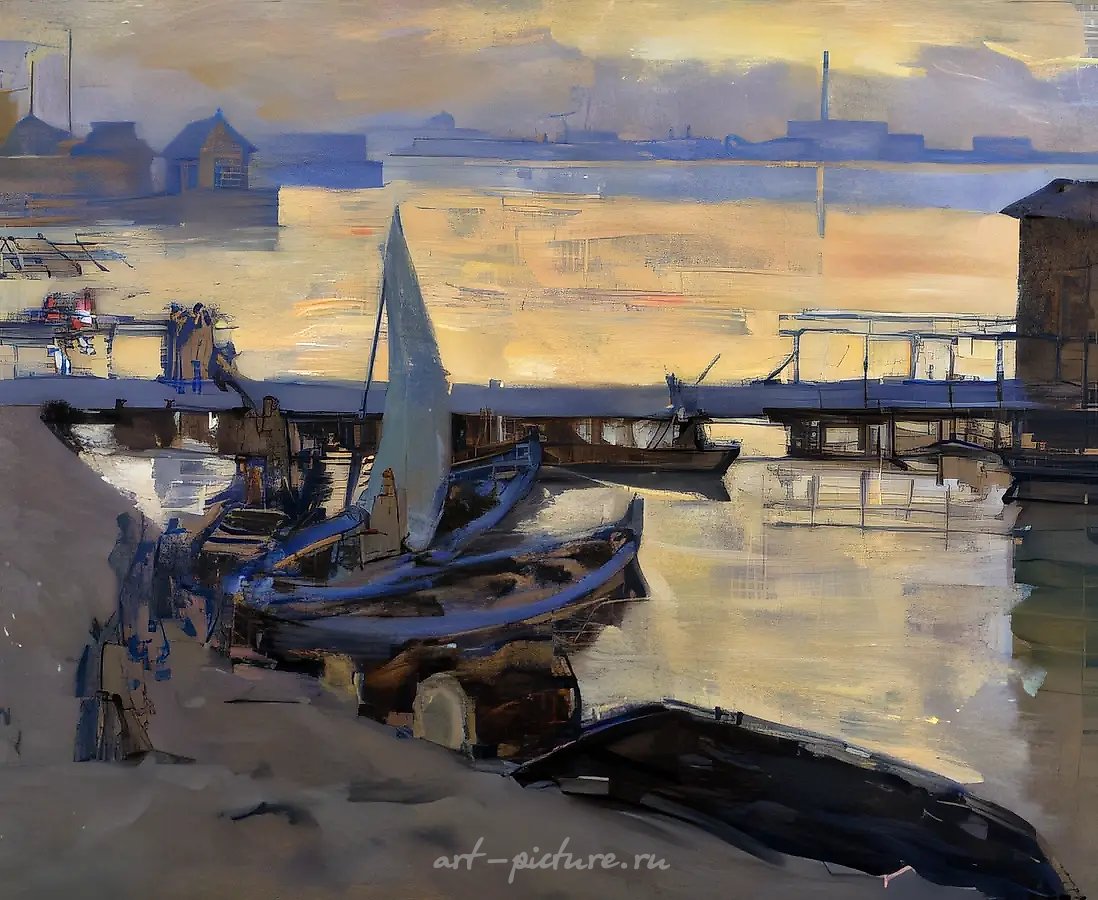
Rubanov Iosif Mendelevich
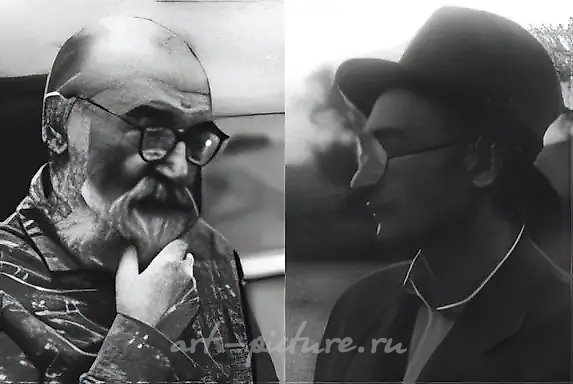
Born on November 7, 1903, in Novozybkov; in 1907 moved with his family to Mogilev. Studied at a cheder, then at a primary school; in 1919 volunteered for the Red Army. Studied at Decorative Workshops. From 1920 to 1922, studied and graduated with honors from the Red Army University (Art Department) in Mogilev. Moved to Moscow and entered the Unified Art Workers' Faculty named after Pokhrov. In 1923, sent to the trial-preparatory department at Vkhutemas. In 1925, after graduating from the Workers' Faculty, enrolled at Vkhutemas in the painting department. In 1930, after graduating from Vkhutemas, joined RAPKh in the easel painting division, acted as an instructor in amateur art. In 1933, joined MOSSH (Moscow Union of Artists), painting section. 1938-39: First solo exhibition at MOSSH. 1943-44: Solo exhibition at an evacuation hospital in Moscow. From 1924-1963 taught in amateur and professional art studios. From 1934-1963 worked (with interruptions) under contracts at Vsekokhudozhnik, MTH, KJI. Died on February 20, 1988, in Moscow. His interests are represented by Elena Iosifovna Rubanova.
Works in collections
His works are in the State Tretyakov Gallery, the State Russian Museum, the State Historical Museum, the Chuvash State Art Museum, as well as in private collections in Russia, France, Germany, the United Kingdom, China, South Korea, and others.
Exhibitions and auctions
1927: 10th Anniversary of Soviet Power. Belarus; 1928: Belarusian Exhibition of Young Artists. Minsk; 1929: 10th Anniversary of Komsomol Exhibition. Moscow; 1930: Exhibition of Moscow Artists, Tretyakov Gallery, Moscow; 1932: Anniversary Exhibition '15 Years of Soviet Power in Belarus.' Minsk; 1934: Exhibition of Young Artists. Historical Museum. Moscow; 1935: Exhibition. Museum of Fine Arts. Moscow; 1936: Moscow Exhibition of Young Artists. MTH; 1937: Fifth Exhibition of Moscow Painters; 1937: Contractors' Exhibition. Moscow; 1938: Personal Exhibition. Club of Art Masters; 1939: Personal Exhibition. MOSSH. Moscow; 1940: 20 Years of Komsomol. Tretyakov Gallery. Moscow; 1940: VOKS Exhibition. Ulan-Bator; 1942: Jubilee Exhibition '25 Years of October.' Cheboksary; 1943: Exhibition of Three Portraits of People's Artists of the RSFSR. Chuvash State Academy of Theater. Cheboksary; 1943: Personal Exhibition. Evacuation Hospital No. 3380. Moscow; 1945: 'Artists of RSFSR.' Museum of the Peoples of the East. Moscow; 1947: Group Exhibition. MOSSH. Moscow; 1950: Spring All-Union Exhibition. Academy of Arts. Moscow; 1953: Spring Exhibition I. MTH; 1954: Exhibition of Paintings by Moscow Artists; until 1982 participated almost annually in Moscow exhibitions and some RSFSR and USSR exhibitions; 1992: Posthumous Solo Exhibition. MOSKh. Moscow; 1992: 'Moscow Artists of the 1920s-30s.' USSR Union of Artists. MOSKH RSFSR; 2000: 'Museum of Non-Current Art.' Moscow Arts Centre. 'Kovcheg' and 'Elysium' Galleries.
Author about himself
Here are poems by I. Rubanov's daughter, who is also an artist, Elena Rubanova.
Comparing the level of his works
With that of the Greats of Earth,
He was free from the vanity of concerns,
Haunted by different torments:
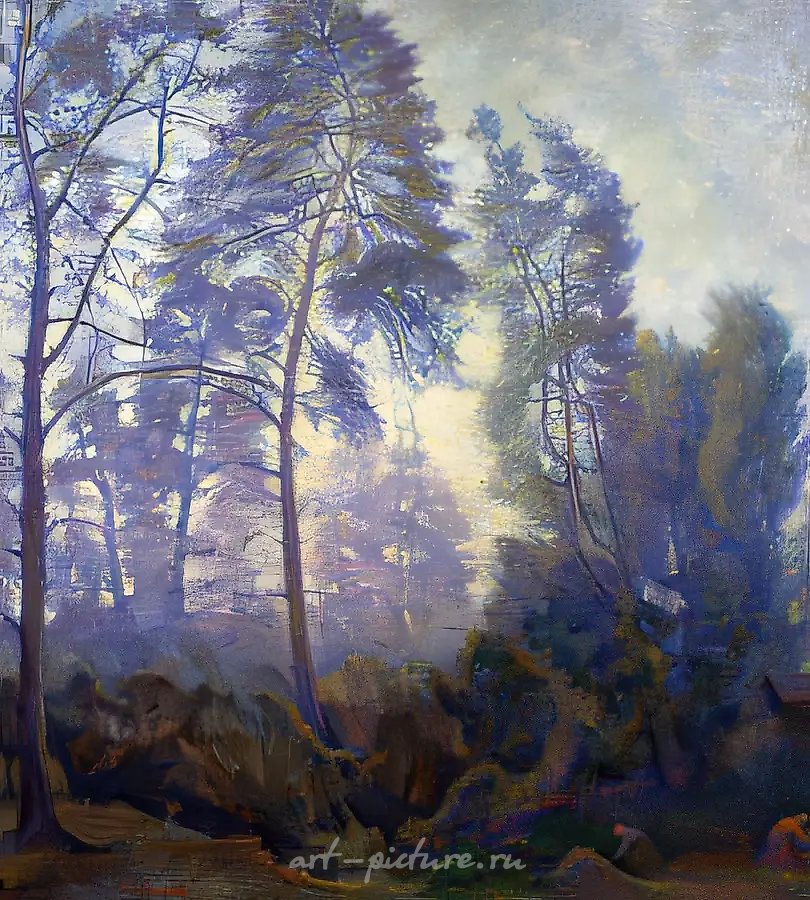
How to paint a distant dark forest,
Shrouded in an airy veil,
So that the trace of blue paint disappears
And depth does not rise as a wall;
And at the same time, so that the square of canvas
Does not crumble into random pieces,
The idea of construction, pure,
Would not be hidden behind loose strokes.
How to convey his delight before morning,
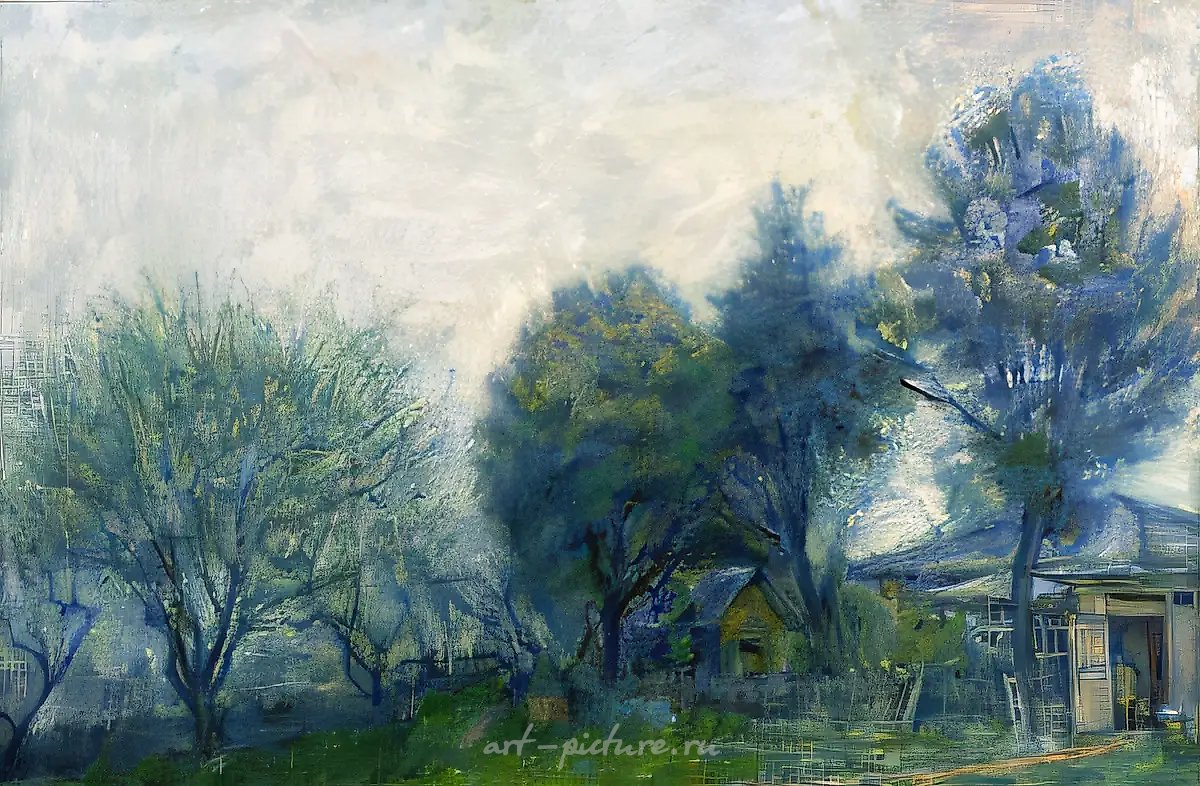
Before the barn or any object...
He wanted to paint Form by Color—
That's all...
He did not know he was a Poet.
April 19, 1992
Father
Dignity, but without pride;
Suddenly—a sonorous child's laughter;
Lead over the deep blue of his eyes
Passed age, but not sin.
So simply, the touch
Of his soul to the canvas' soul,
That again I wander in the mystery
Of how simple truth is.
May 4-5, 1992
Looking at my father's Moscow region landscape from the late 1940s.
The slow, tender attention
Does not let the brush flaunt.
Not with oneself, but with nature—admiration
Flows backwards from the canvas.
A timid, awkward touch
Forcibly makes one tremble,
Slowly to examine—desire—
And to dissolve oneself in the landscape.
February 17, 1993
Critic
At Vkhutemas-Vkhutein, I. Rubanov's teachers were K. Istomin, A. Osmerkin, N. Udaltzova, A. Drevin, R. Falk, A. Shevchenko, D. Shterenberg, D. Kardovsky, Bela Uitz, V. Favorsky, I. Mashkov, who gave the following diploma review: 'Comrade Rubanov I.M., who studied under my direct supervision in the 1928-29 academic year, showed himself to be very talented and passionate about painting. His works strongly stood out in artistic quality among the students of Vkhutein. I find that comrade Rubanov I.M. is fully worthy of the title of Artist. April 11, 1930.'
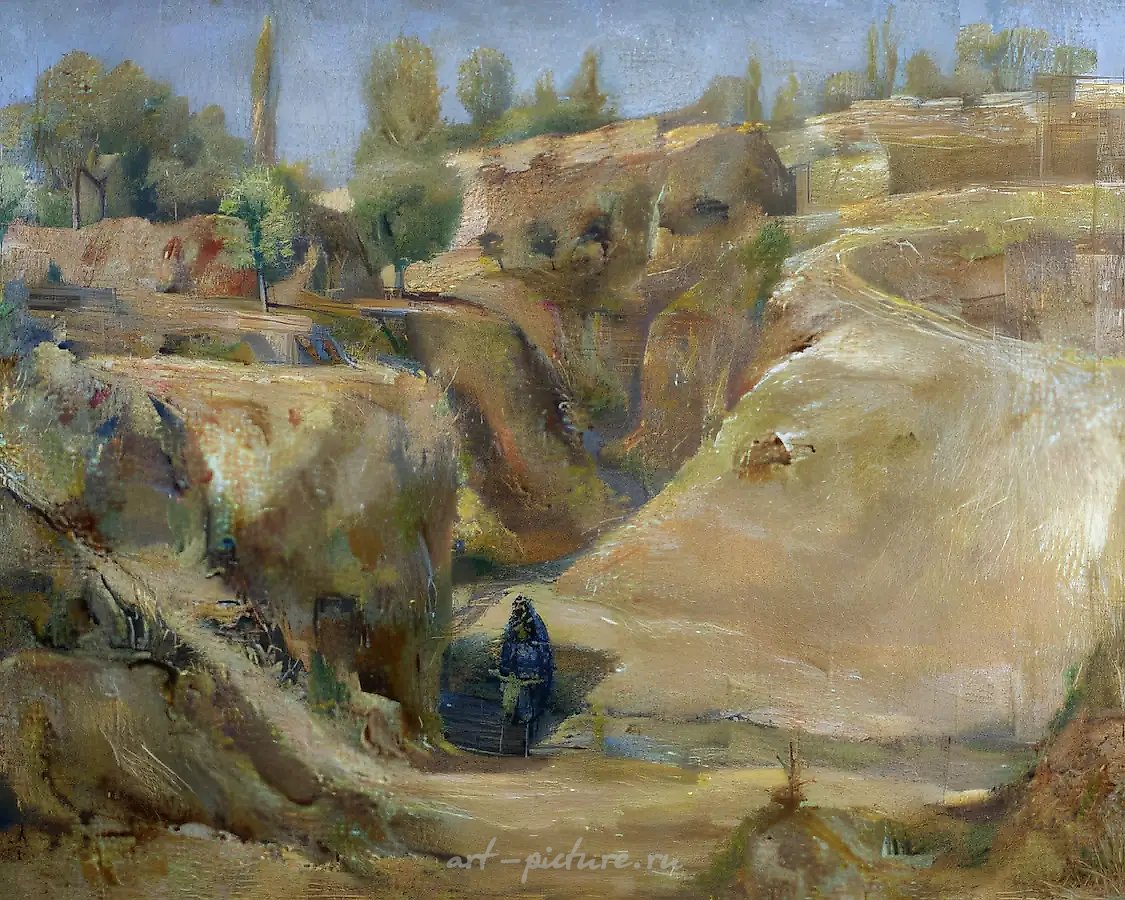
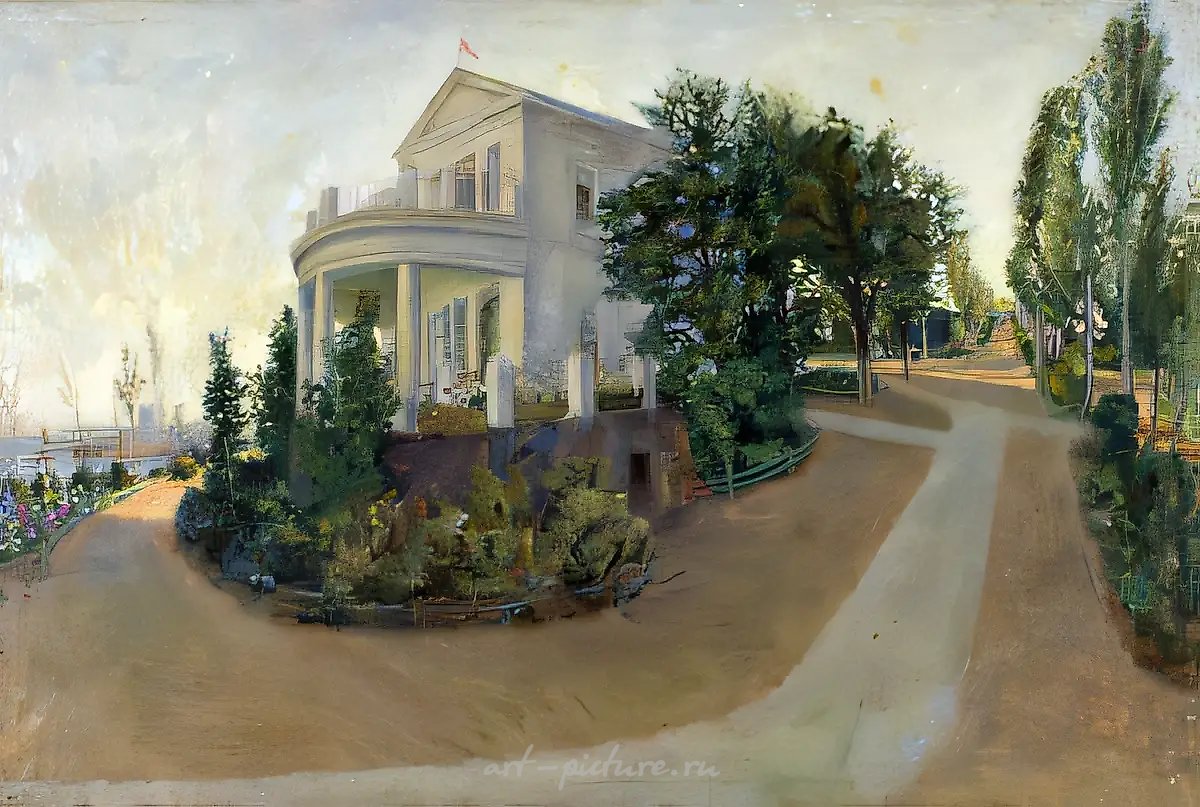
'Cezanne was a supreme authority throughout Rubanov's life, first discovered in the early 1920s. The concepts of measure, objectivity, and freedom of perception rooted in Cezanne's neoclassicism, "seeing" and willful generalization, the spatial logic of compositional and color structure, largely became the artist's personal belief. It was also strengthened by the special closeness with Aaron Rzheznikov, their shared position in the discussion about "painterliness" that flared up in MOSSH before the war—one of the last daring attempts to defend principles in the face of the arbitrariness of Stalinist "social-romanticism."
Such a tradition had little in common with the crude "realism" of the AHRR-Maslov type and, by its very spirit, required the artist to rise above nature. This matched Rubanov's individuality and gave his early works a special unstylized touch of "ideality."
From the article by A. Morozov for the catalog of the 1992 exhibition.
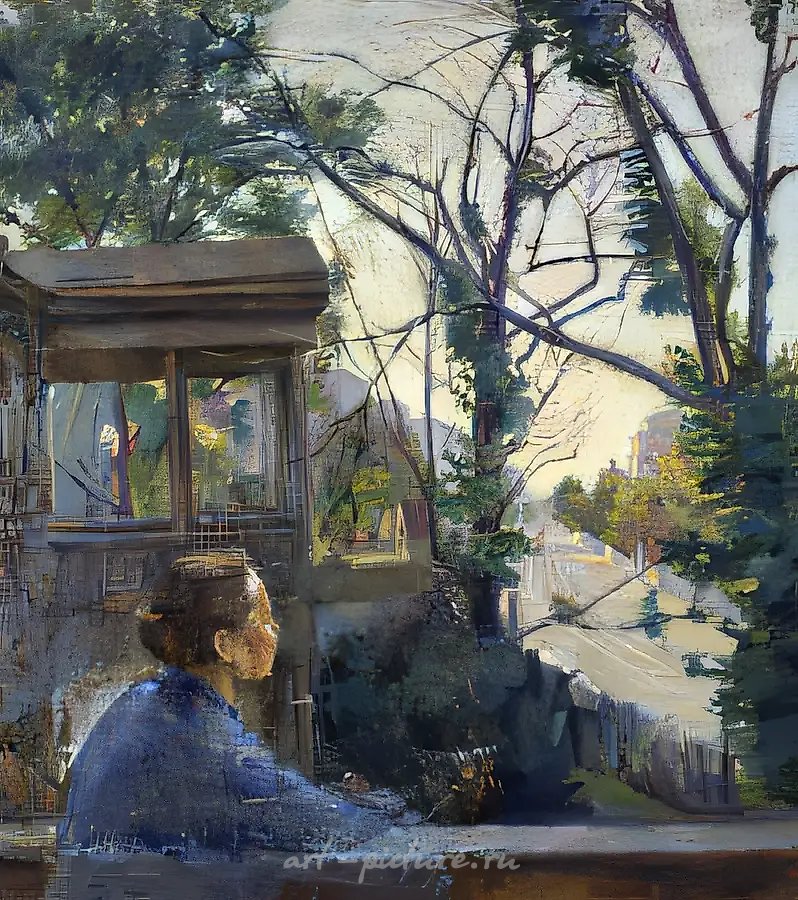
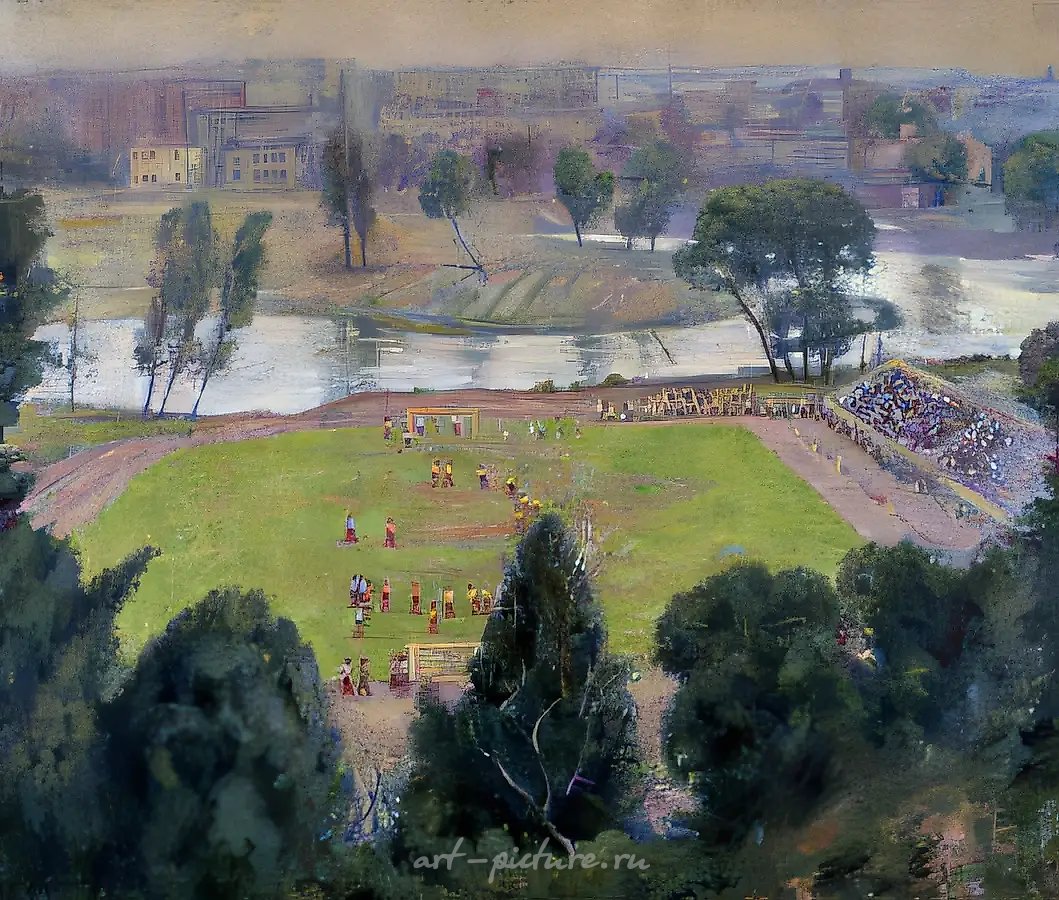
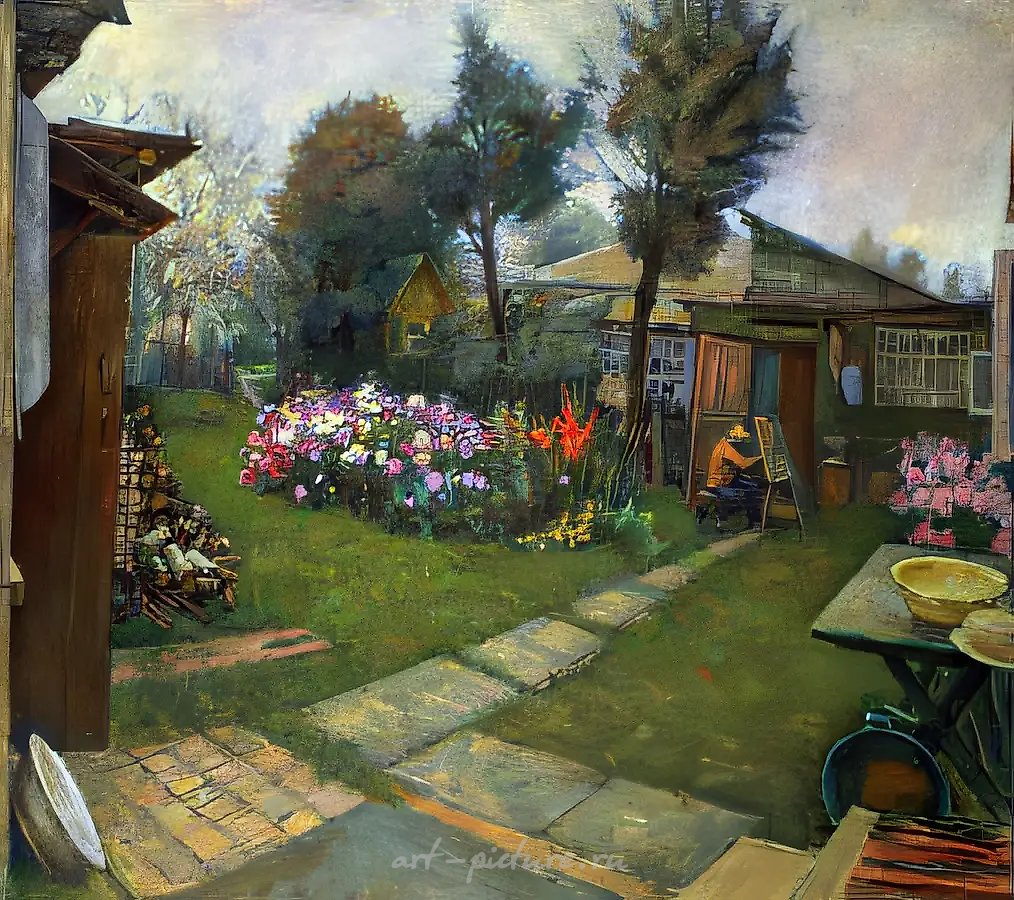
'...the pictorial theme of Rubanov. The master pursued it consistently, from the 1920s to the late 1970s. This theme was outside of literature. It simply expressed the visual, spiritual-sensual experience of the environment that surrounded the artist every day. In its guilelessness, this theme is one of the eternal ones in the visual arts. Most likely, Rubanov was aware of this; in any case, he always sought something lofty, ideal in the prose of the visible, transforming the century-old tradition of painting in his own way.' In his landscapes 'the collision of the "unimaginative" with the "imagined."'
'The ability to affirm the human in humanity every day, despite lies and violence, is organically inherent in the honest Russian intelligentsia—those of the first post-October generation to which artist Rubanov belonged. It is hard to believe that this could be forgotten in the cultural history of the troubled twentieth century.'
'At the same time, what is characteristic of I.M. Rubanov, and compels one to closely observe his development, is that the artist does not simply give a painterly sketch of a person, but strives for a typification of his character; in his landscapes, he wants to show "not just pieces of nature," but considers their compositional and painterly-light elements.'
From the article by V.M. Lobanov for the catalog of the personal exhibition. 1939. Moscow.
Bibliography
'Exhibition of the Young', 'Izvestia', R. Varshavsky, 1934; Journal 'Pioner', reproduction from the work 'Summer in the City', 1936, No. 6. 'Izvestia', Natalia Sokolova, 1937; ROOM, 'Soviet Culture', about the personal exhibition, 1938; Article for the exhibition catalog of I. M. Rubanov, V.M. Lobanov, 1939; 'Soviet Artist', Article for the catalog of the exhibition 'Iosif Rubanov 1903-1988. Painting', A.I. Morozov, 1992; Journal 'Afisha', October 30-November 12, 2000, 3-20/XI, Exhibition at the Moscow Arts Centre, reproduction from the work 'Still Life with Dried Fish', 1926, No. 22.
Works 22