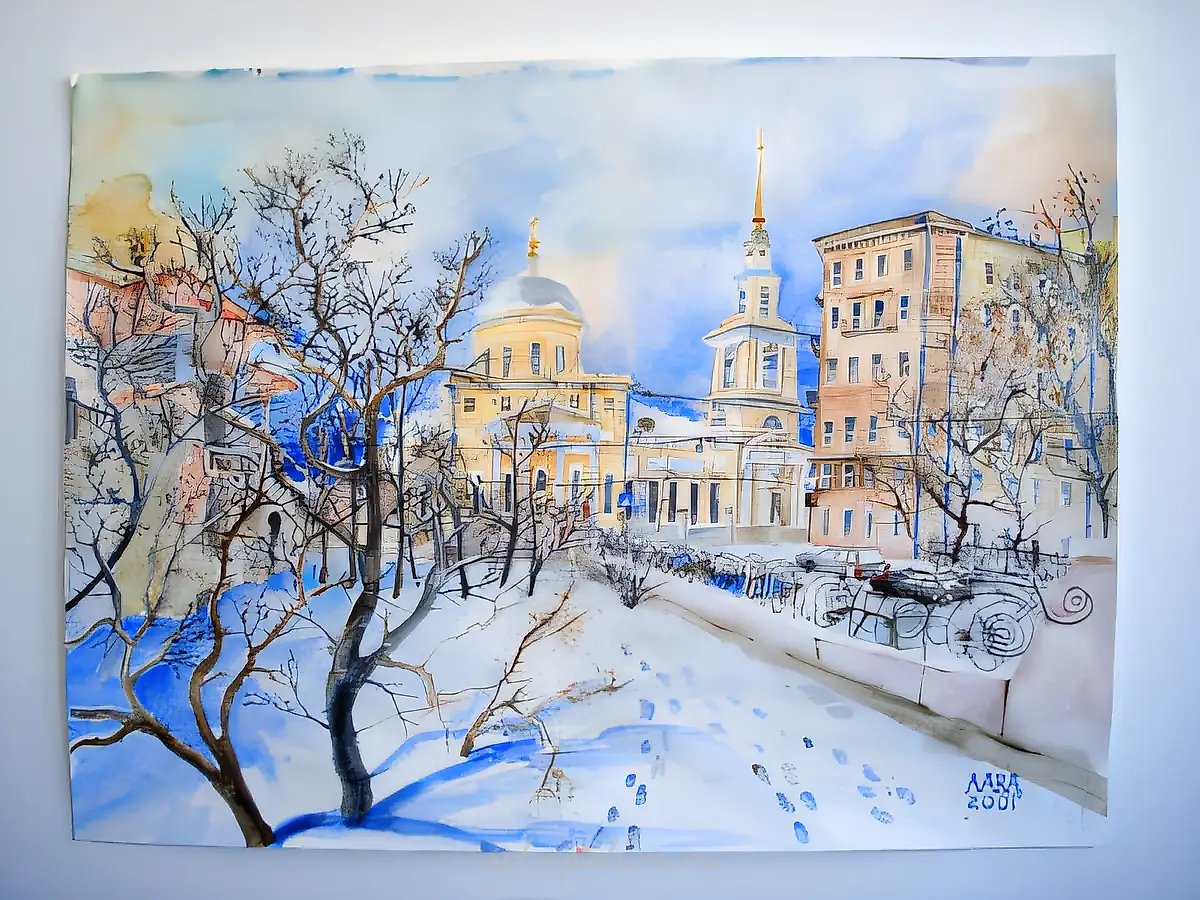

Larisa Bolshakova
Born in Moscow in 1953. Studied economics at Moscow State University named after M.V. Lomonosov. Defended her candidate dissertation. Passionate about drawing since childhood. Her interest in visual art and drive for creativity led her to seriously engage in independent study of drawing and painting. Since the early 1990s, influenced by changes in life circumstances, she completely abandoned 'dry theory', turning inward to the ever-green 'tree of life' and its reflections in art. Since 1998, she has participated in art exhibitions in Russia and abroad. Member of the Professional Union of Artists (Russia). Currently lives and works in Moscow and Vienna.
Works in collections
In the Marina Tsvetaeva House Museum in Moscow, in corporate and private collections in Russia, Western European countries, the USA, and Japan.
Exhibitions and auctions
1998 - 2001. Moscow International Art Salon, Central House of Artists
1999. "All the Colors". Central House of Artists, Moscow
2000. Solo Exhibition "Moscow – St. Petersburg – Vienna", Amerlinghaus, Vienna, Austria
2001. Solo Exhibition "Still Life. Fish and Bread", Amerlinghaus, Vienna, Austria
2002. Gallery "Interart", Vienna, Austria
2003. Exhibition-dialogue "Vienna? Vienna.", Grin Gallery, Vienna, Austria
2003. "Pyramid." Gallery of the Bakhrushin Theatre Museum Branch, Moscow
2003. Russian-German House, Moscow
2003. Raiffeisen Bank, Leonding, Austria
2004. Solo exhibition at the "Air" gallery, London, UK
2004. "Writings." Gallery "L", Moscow
2004. Russian Cultural Institute in Vienna, Austria
2004. Christmas exhibition at "Interart" gallery, Vienna, Austria
2005. Solo exhibition at the Marina Tsvetaeva House Museum, Moscow, Russia
2005-2006. Solo exhibition at Wintershall AG, Kassel, Germany
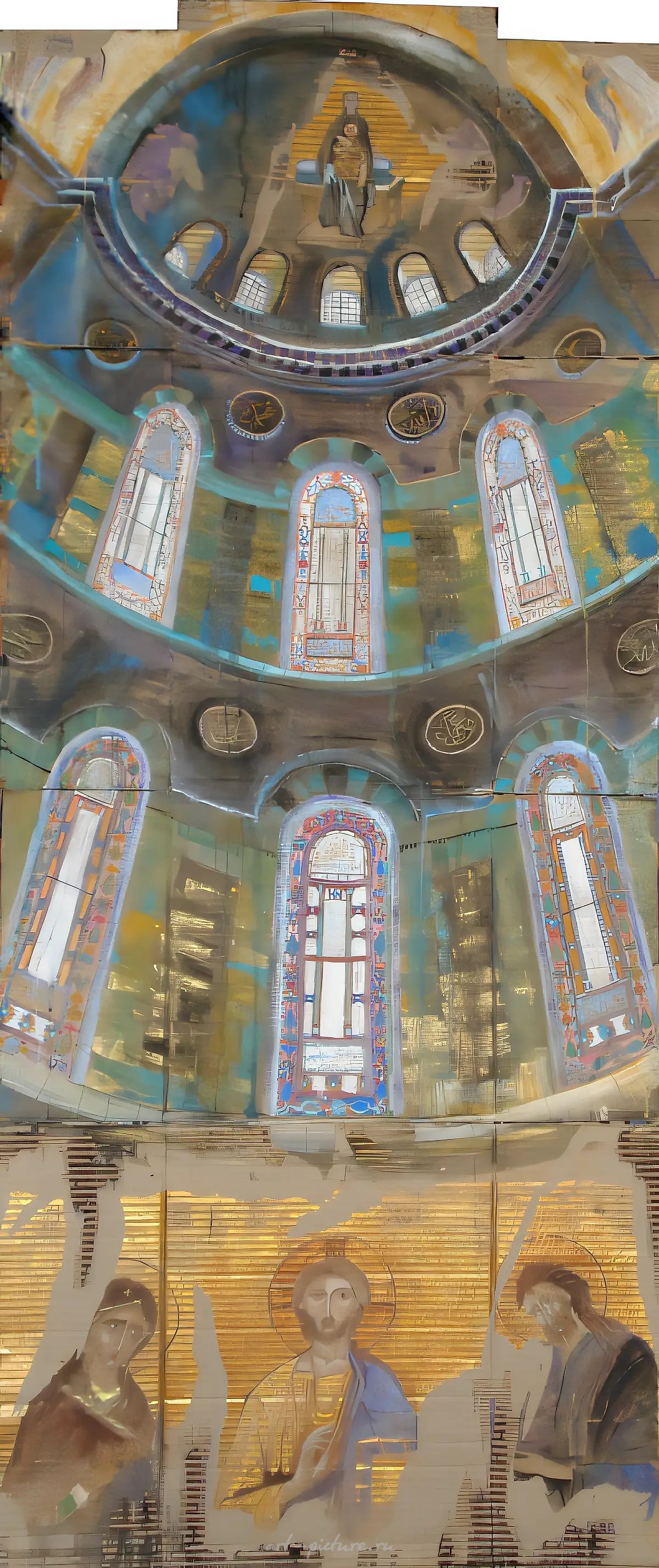
2006. "Earthly City, Heavenly City" – exhibition dedicated to the memory of Daniil Andreev. Gallery "L", Moscow, Russia
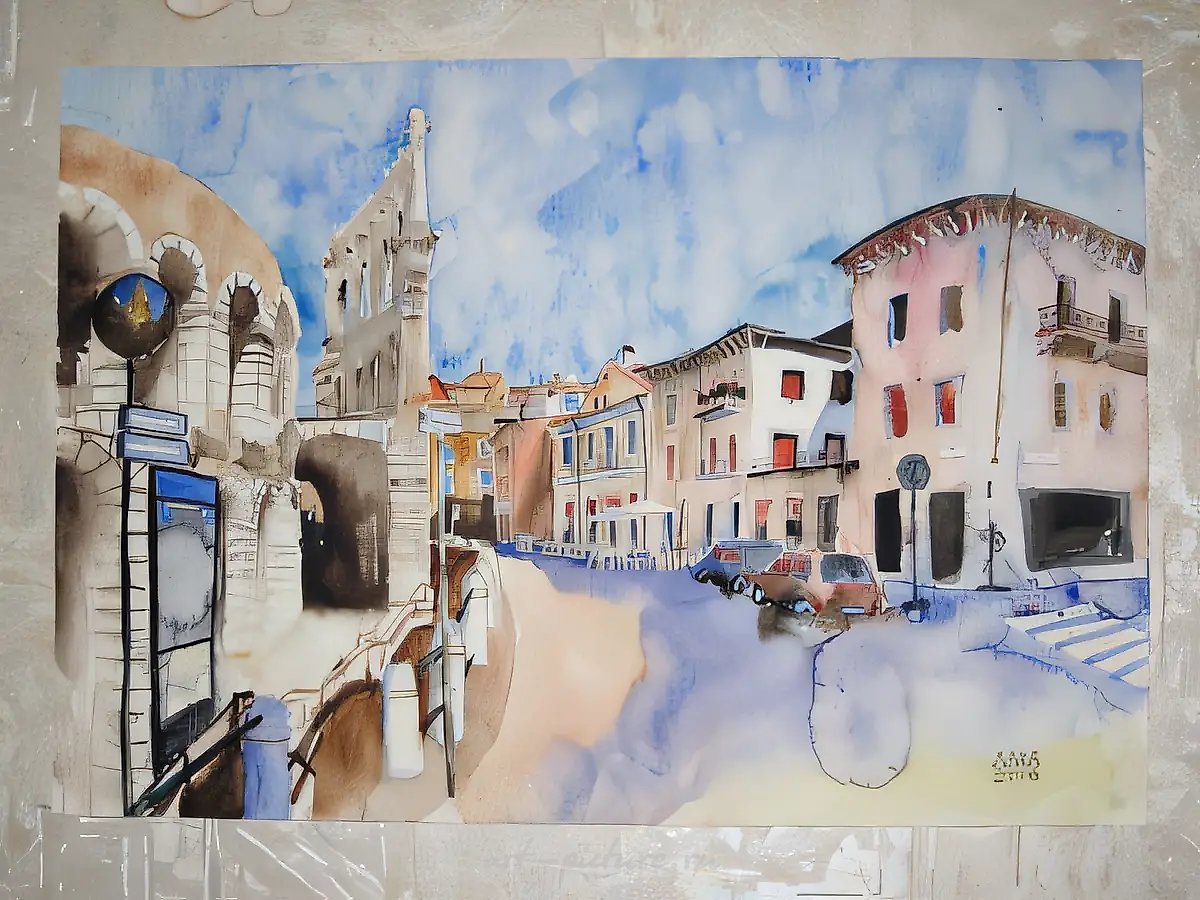
2007. Solo exhibition "Cityscape" at the Literary Society of Verona, Italy
2007. Solo exhibition at the "Baumwollspinnerei" gallery, Leipzig, Germany
2007. Solo exhibition at VNG – Verbundnetz Gas AG, Leipzig, Germany
Author about himself
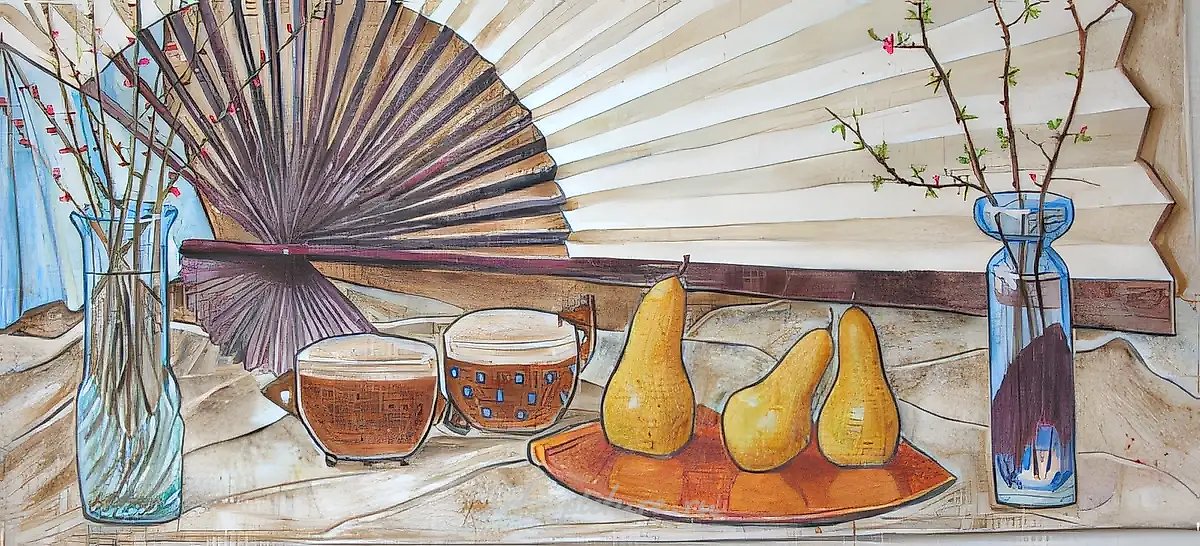
I grew up on Russian literature. From early youth, I was interested in ancient Russian painting. Researchers note its inherent sense of style, clarity, and luminosity in the arrangement of forms, which ties it to ancient painting. V. Lazarev believed that ancient Russian art "should be regarded as one of the most perfect manifestations of Russian genius" ("Ancient Russian Painting. New Discoveries", 1965, p. 35). I really like the works of many old and modern Russian artists. For example, through exploring the art of still life, I learned a lot from K. Petrov-Vodkin, who not only created many wonderful still lifes but also studied the genre and wrote about it in his book "Euclidean Space" (1933). At the same time, I had the opportunity to become acquainted with the art of the East and West—at exhibitions, in museums, through books. I admire the symbolic nature of medieval Chinese landscapes with their diffused perspective and unique compositional structure; Japanese prints with their direct appeal to the individual and their daily activities. I highly value the New York cityscapes of American Impressionists such as Colin Campbell Cooper, Childe Hassam, Ernest Lawson, Edward Redfield, and others. An artist is creatively enriched when they can draw from the sources of both national and world culture. I think the individual spiritual experience of the artist, if not directly, then indirectly, affects their creativity. It helps shape the artist's taste and style and develops their plastic language. In my case, perhaps it is also worth noting the worldview and scientific background I acquired during years of study and work at Moscow University; the ability to analyze and generalize, which is necessary not only in scientific work but also helps in art.
Critic
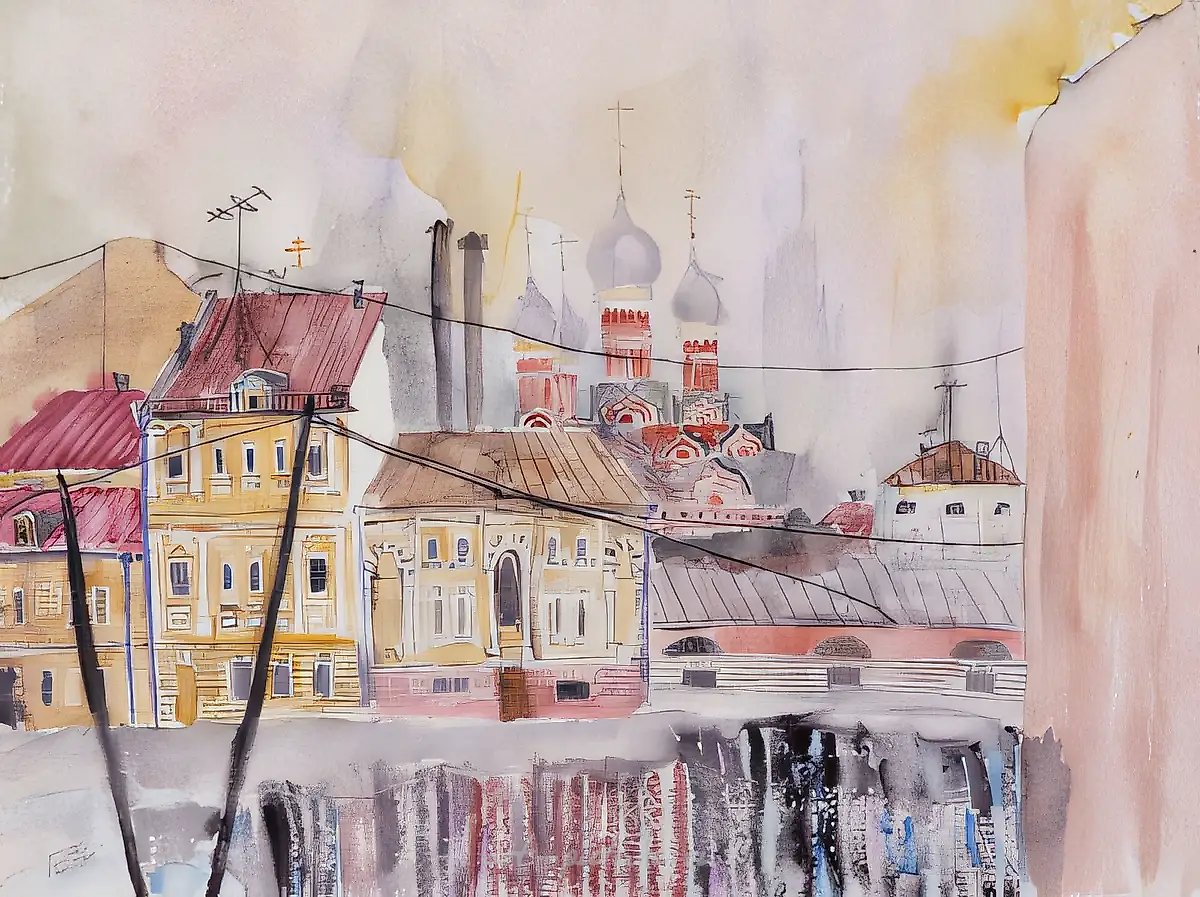
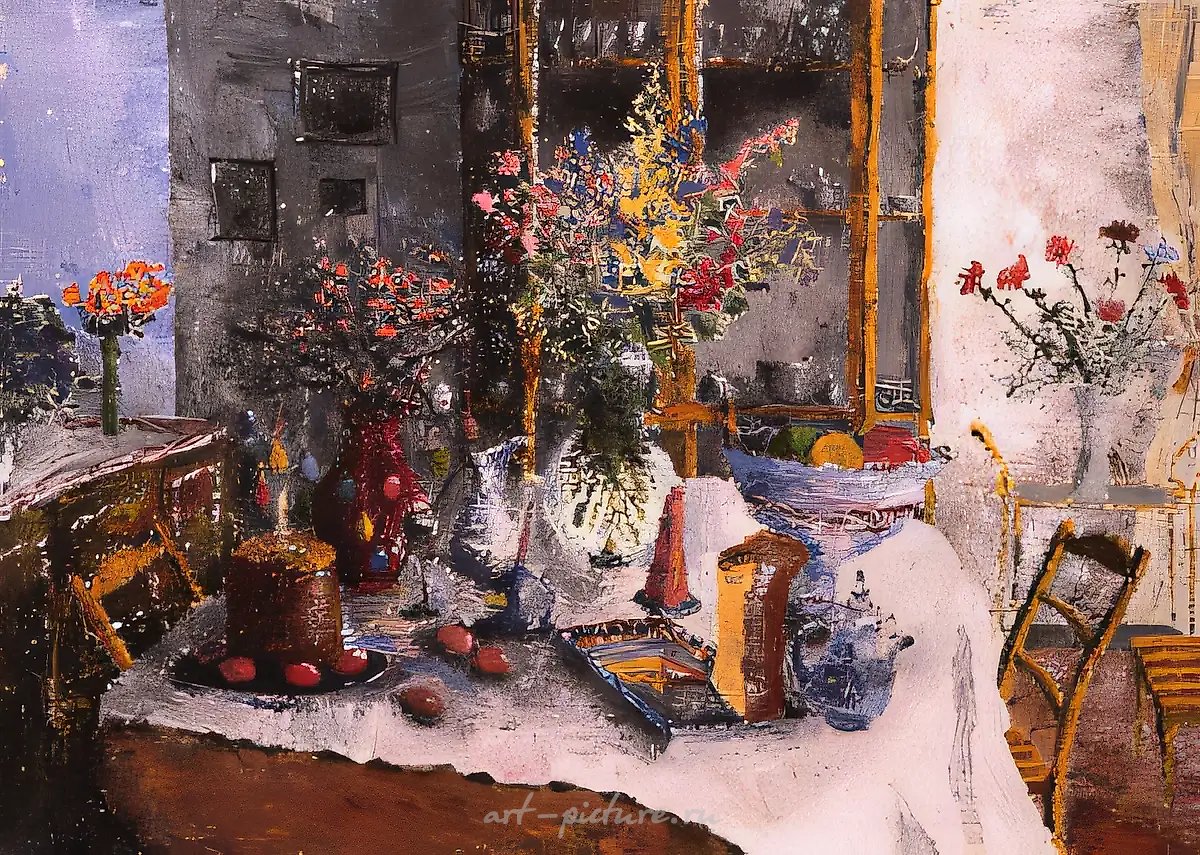
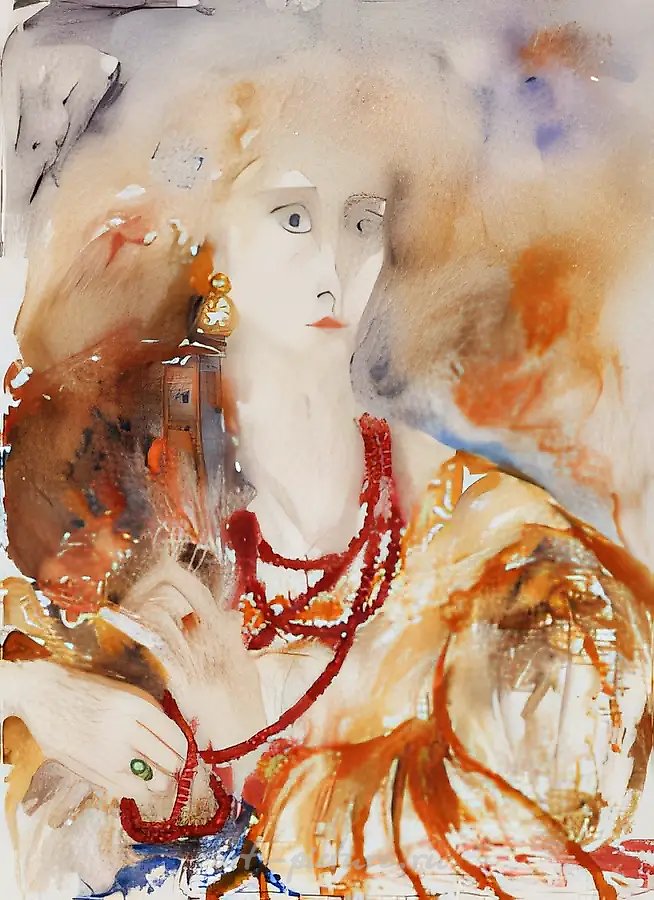
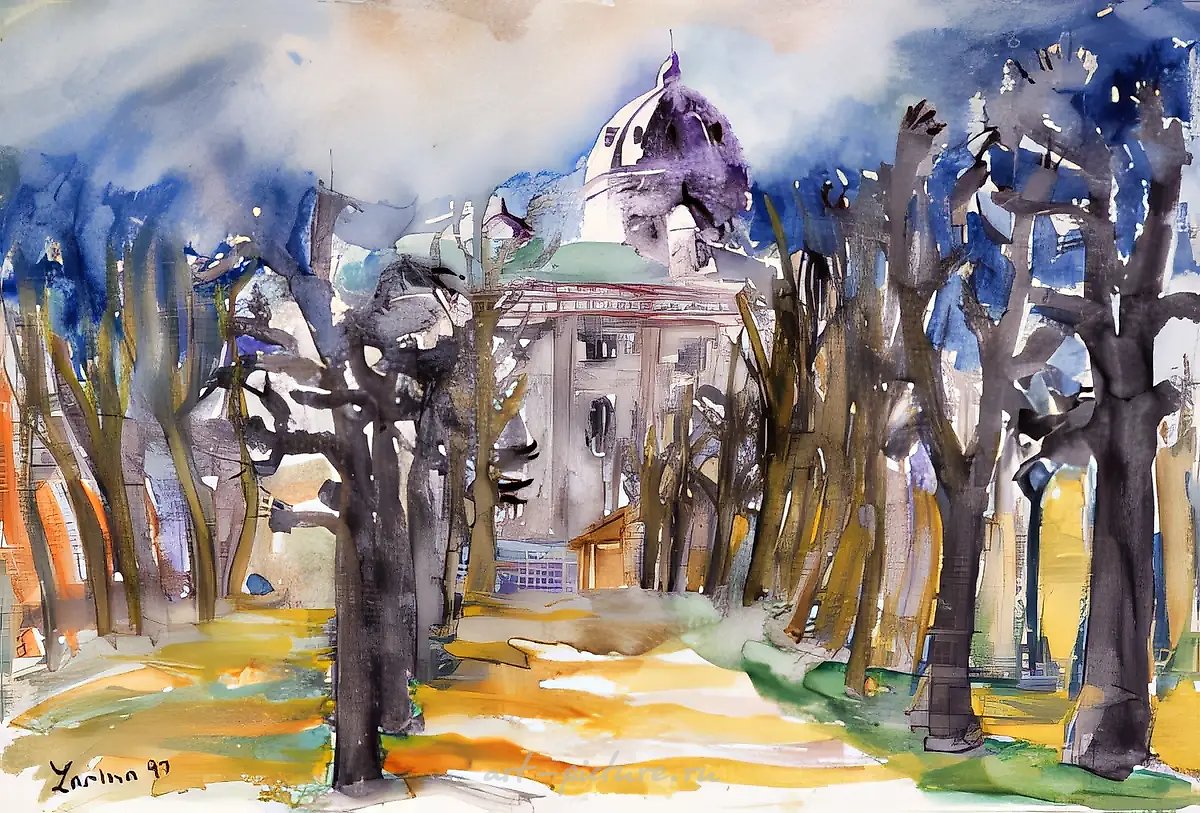
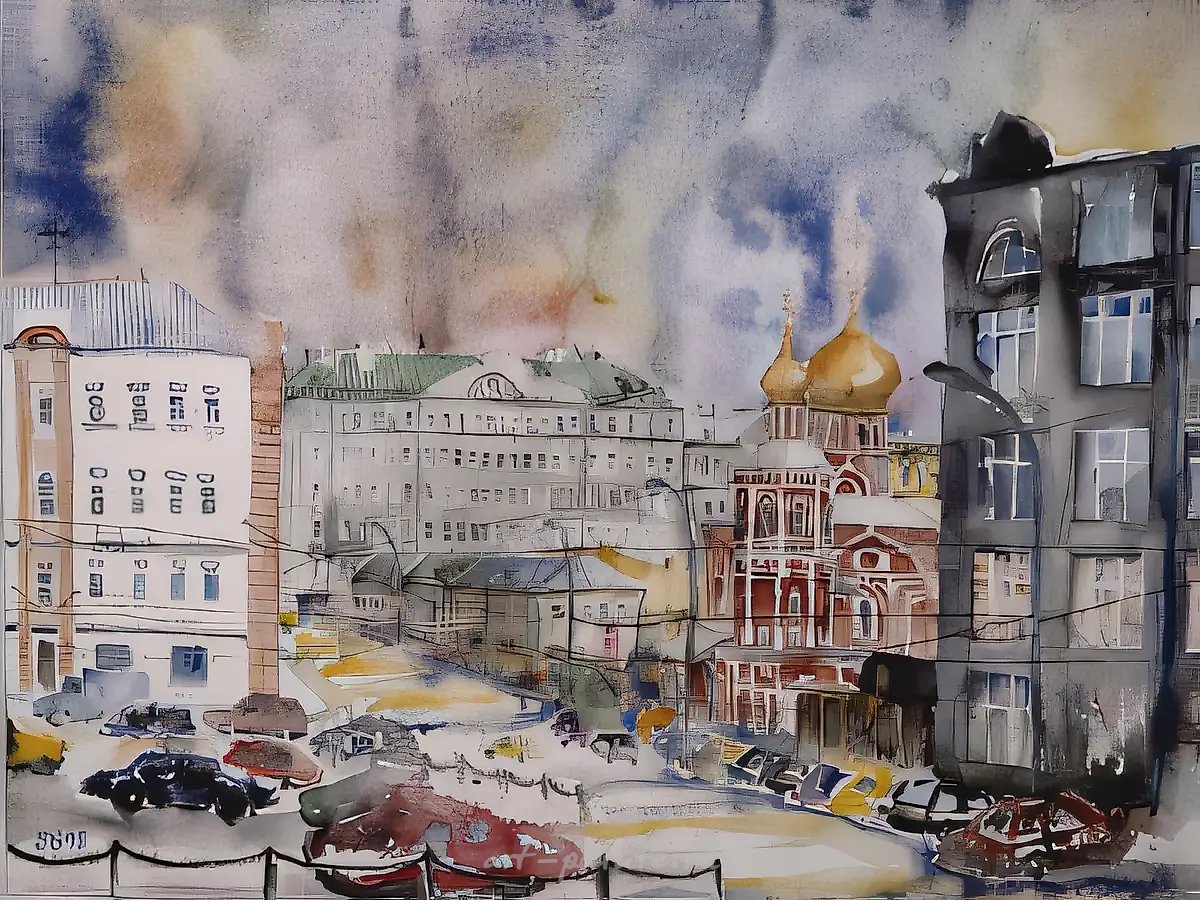
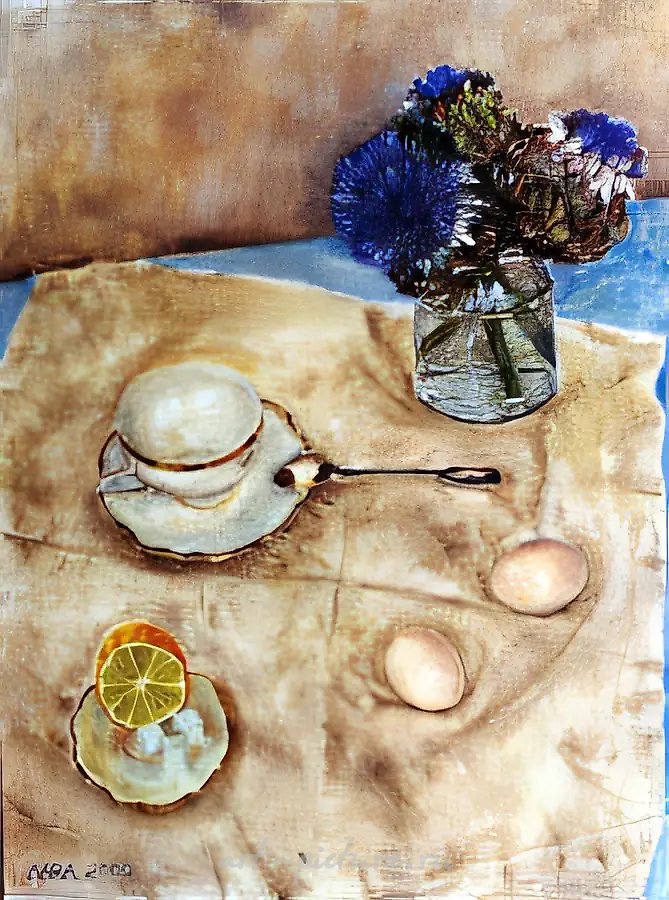
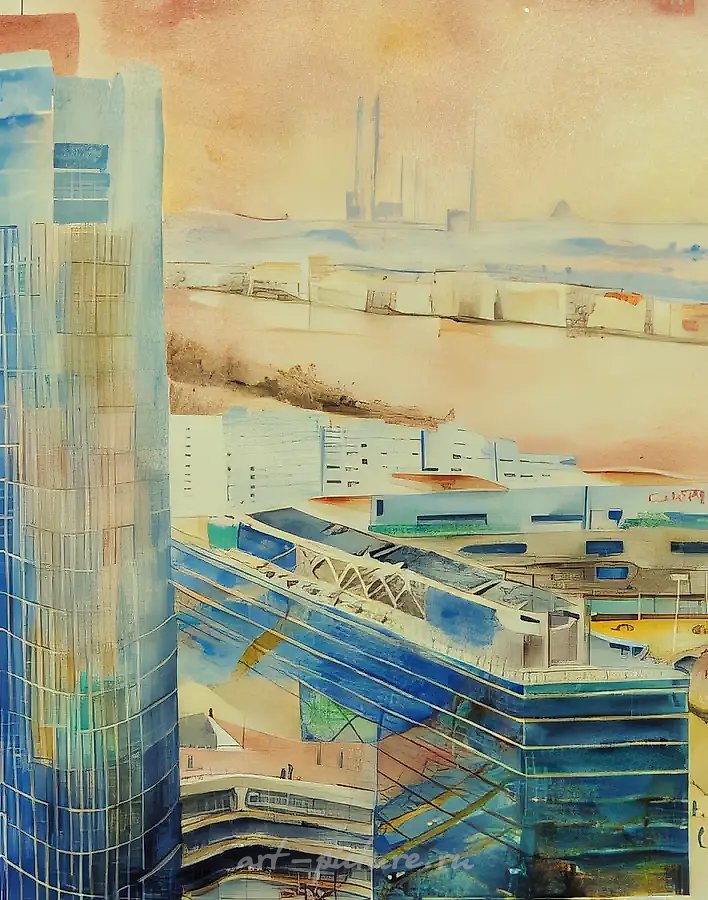
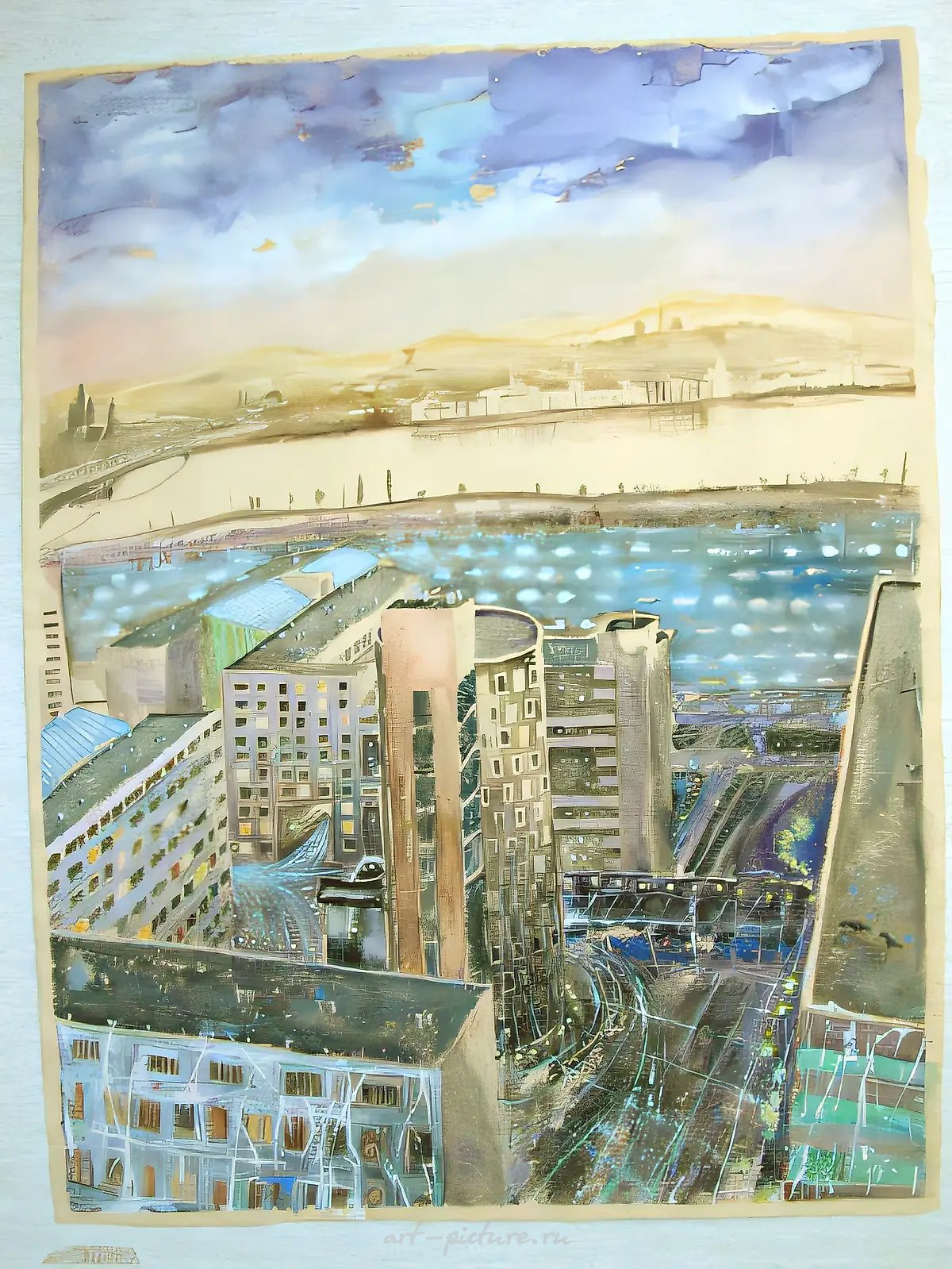
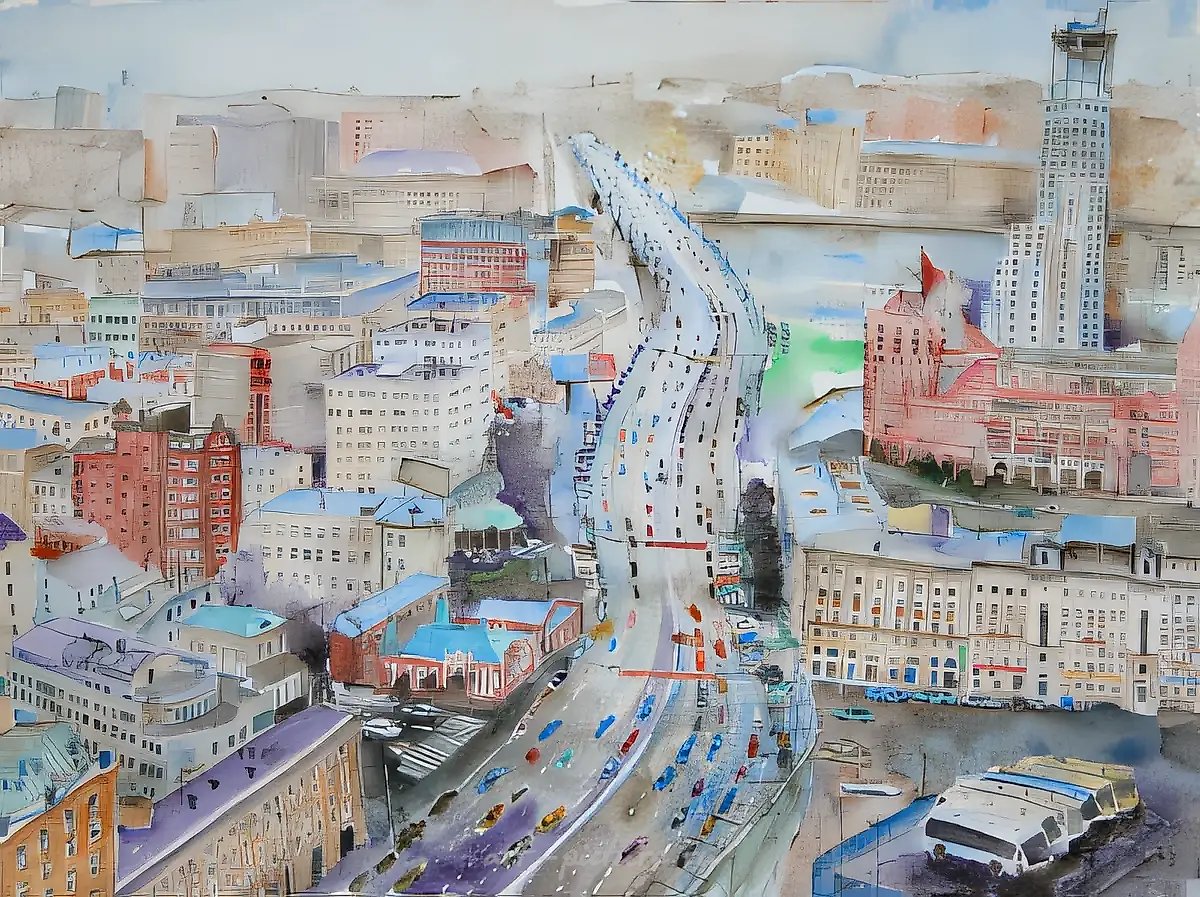
...the artist's favorite 'character' is the city. However, it is a stretch to call Bolshakova an urbanist artist. Not only because she paints still lifes and portraits, but also because the cityscape becomes for her an object of particularly delicate, gentle, nostalgic feelings. The word 'urbanism' implies an alienation of man from the city environment and even an opposition between them. In Bolshakova's mostly panoramic landscapes, often painted from a distant or high vantage point, there is always an admiration for the view that opens up. What falls within the artist’s field of vision is depicted—not with photographic precision that implies indifference—but with the careful diligence of someone who loves the urban environment and architecture infinitely. Buildings of various ages and styles, bridge arches, riverbank curves, zigzagging roofs, rails and wires—all in Bolshakova’s landscapes appear animated, even spiritualized. The windows of houses—dark or glowing, outlined or mere dots—lend each work its special musical rhythm, mood, and above all, become the eyes of the city, making it 'sighted'. Thus, the urban environment becomes, in her art, a living organism. The composition of her works contributes to this idea. Bolshakova favors diagonal compositions, far from strict geometry. The bend of a road or river crosses the pictorial plane, drawing the gaze into the inner space of the sheet. She mainly works with paper—drawing board and corrugated cardboard, less often with fiberboard and canvas. She paints with watercolors, mixed media, tempera, and rarely oils, but even then she applies oil in such thin, translucent layers that her oils are reminiscent of watercolors—delicate and airy. In essence, we see an 'ecological' artist expressing a dream of harmony between man and the environment. One may recall the late-20th-century rise of eco-awareness in science, which affected her as a scholar as well. Bolshakova’s creativity is a phenomenon for me. She does not go out of her way to prove her professionalism; she is free in perspective, many watercolors are overtly sketch-like, yet there is no amateurishness in her art. She possesses a spatial vision and a flawless sense of individual style—the guarantees of her professionalism. These stem from the maturity gained through her worldview and scientific experience, which raises the high standard of her artistry. Her natural talent, multiplied by her breadth of worldview, produces a body of work embodying ethical relations between man and environment. Her watercolors are not done 'in a single touch'—she lovingly and meticulously paints decorative details (not with pencil but with the brush tip!). Yet, the works feel as if painted in a single breath, for they are cohesive. These are not mere 'views', but images of cities living by their own laws, determined by the dynamic diagonals and airy illumination of her compositions. Even when depicting houses drawn close to the viewer, the sky always plays an active, spiritual role. In her watercolors, the upper and lower parts of the composition rhyme—if there is a river below, the sky is reflected in it. This creates an all-encompassing movement that makes each work complete and alive. Bolshakova's recreated reality inspires a simple, child-like faith. Her landscapes are memorable, imprinted in the mind like early childhood memories.
— Olga Kostina, PhD in Art History, Chief Editor of "Russian Art" magazine.
Bibliography
Catalogue of the Moscow International Art Salon, Central House of Artists. 1998, 1999, 2001
Catalogue of the 'Pyramid' exhibition by the international creative studio 'Sintel Radunitsa'. 2003
Catalogue of the 'Writings' exhibition by the international creative studio 'Sintel Radunitsa'. 2004
'New Vienna Journal'. 2001, No. 12 (illustrations)
Tatyana Muromskaya. 'Moscow Watercolors of Larisa Bolshakova'. 'Man and Career'. 2002, No. 7
Irina Muchkina. 'Exquisite Watercolors instead of Dry Theory'. 'New Vienna Journal'. 2005, No. 8
Catalogue of the exhibition at the Marina Tsvetaeva House Museum. 2005
Catalogue of the exhibition at the 'L' gallery. 2006
Nina Grom. 'Earthly City – Heavenly City'. 'Art School'. 2006, No. 6(15)
Catalogue of the exhibition in Verona. 2007
Catalogue of the exhibition at the 'Baumwollspinnerei' gallery in Leipzig. 2007
Interview in the magazine 'Eni's Way'. 2007, No. 1
Olga Kostina. 'Not only with pencil and brush' – article on collage and interview. 'Lena – Handicrafts'. 2007, No. 8
Nicole Sekulich. 'Romantic Urbanism'. 'Culture'. 2007, No. 21 (7582)
Works 28