
Galina Demyanovna Pisareva
Galina 'Gelya' Demyanovna Pisareva (July 10, 1933, Leningrad – July 16, 2024) was a Soviet and Russian sculptor, painter, and graphic artist.
Biography
In 1955, she graduated from the Leningrad Art School named after V. A. Serov. In 1961, she graduated from the Faculty of Sculpture at the Leningrad Institute of Painting, Sculpture and Architecture named after I. E. Repin. Since 1961, she began an active exhibition career. In 1967, she became a member of the Union of Artists. Since 1990, she was a member of the independent, non-commercial Creative Association 'Artists’ Village'. She passed away on July 16, 2024, at the age of 91. Her daughter, Natalia, is an artist.
Artistic Practice
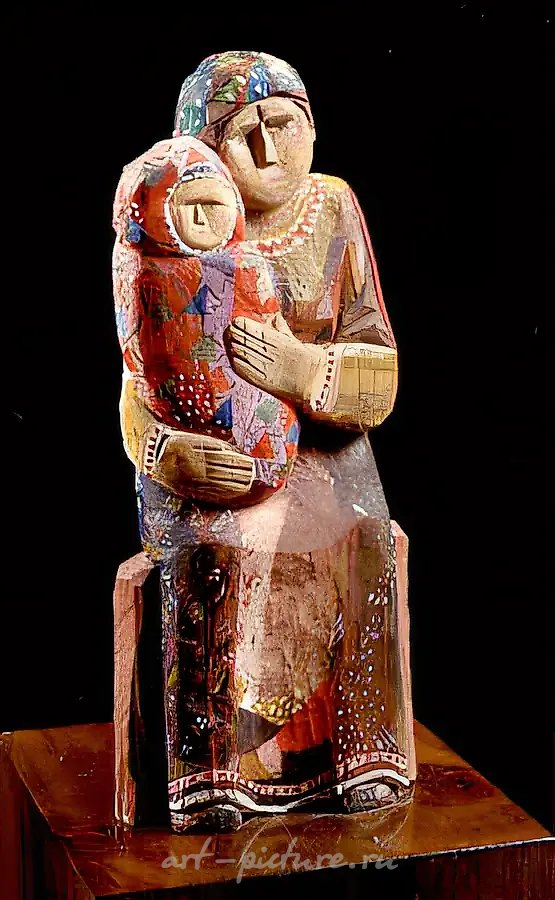
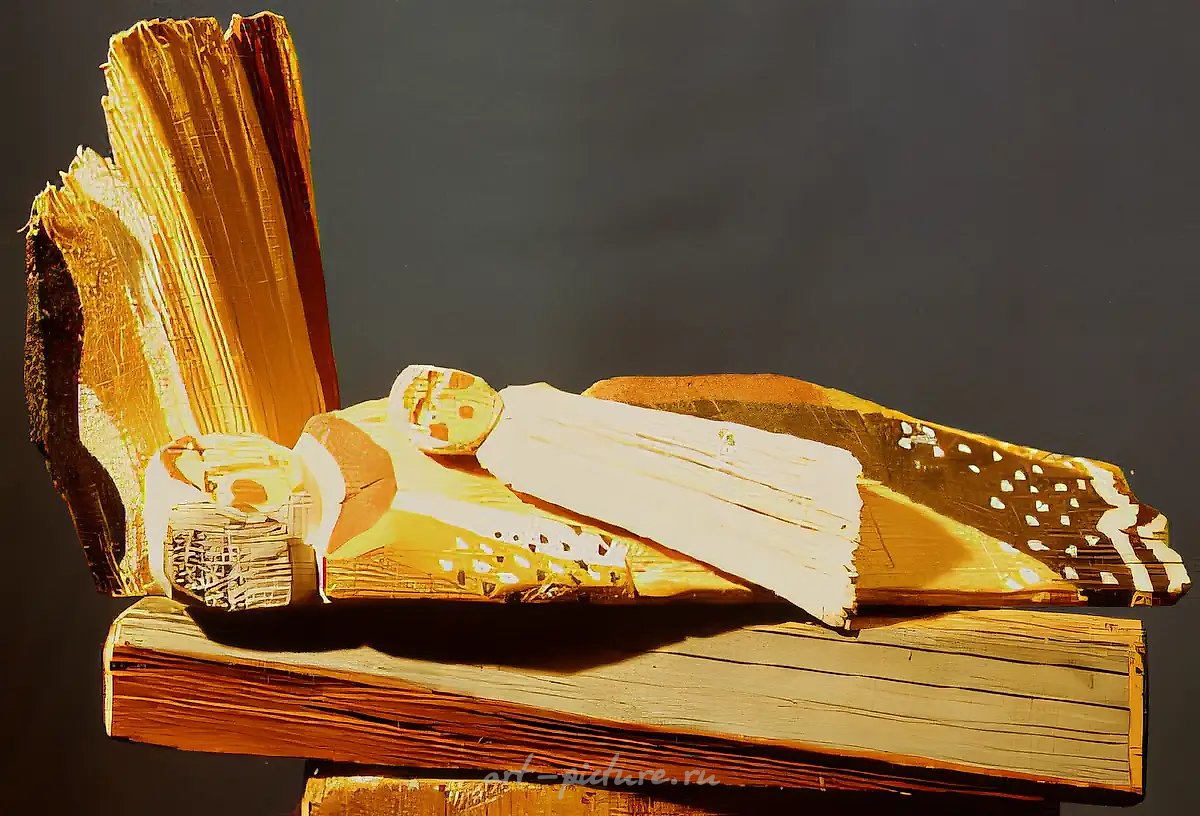
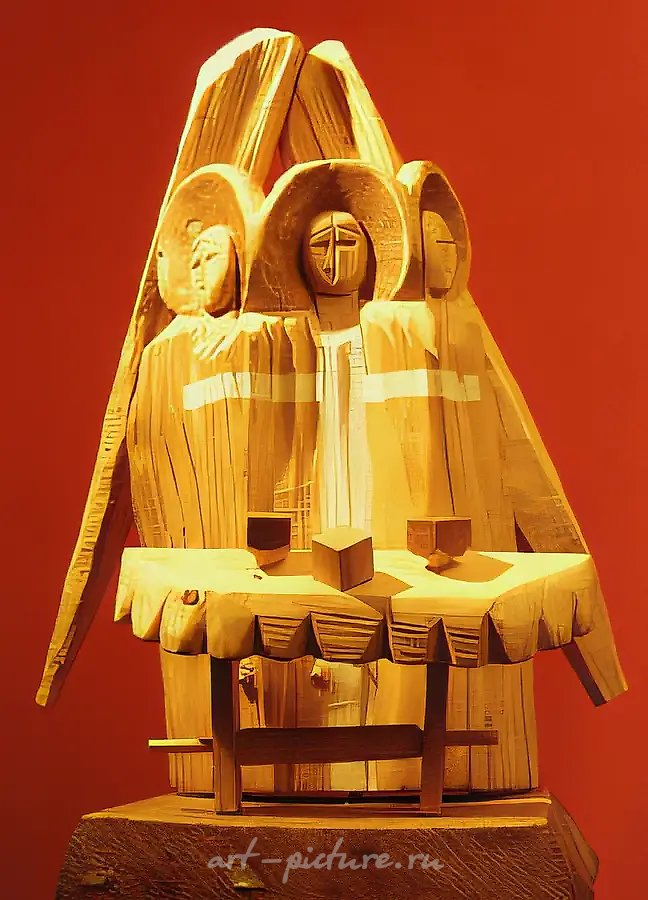
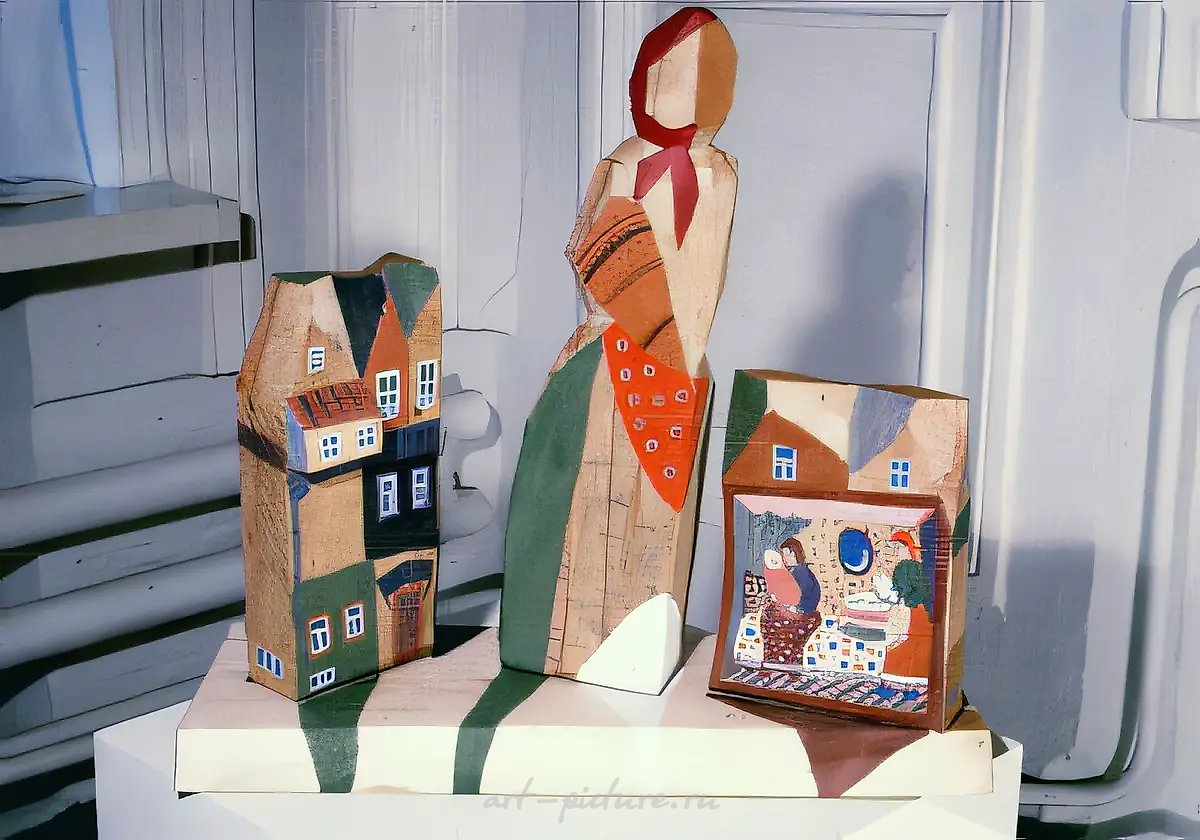
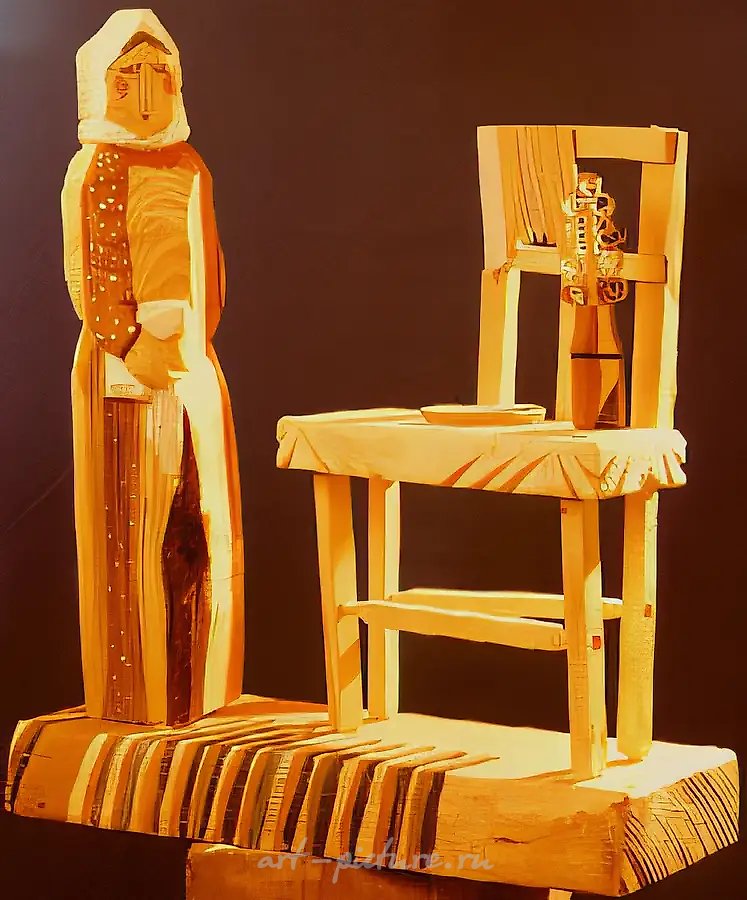
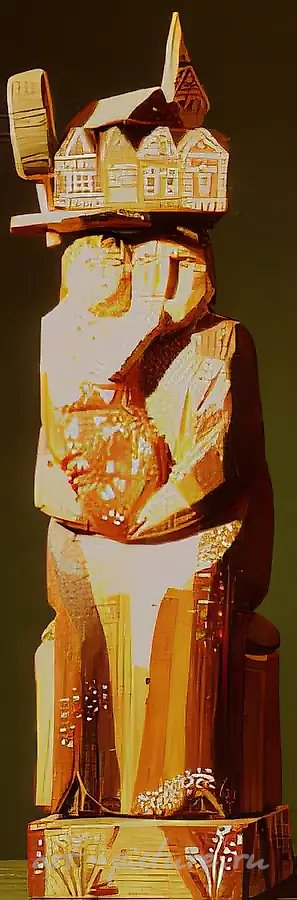
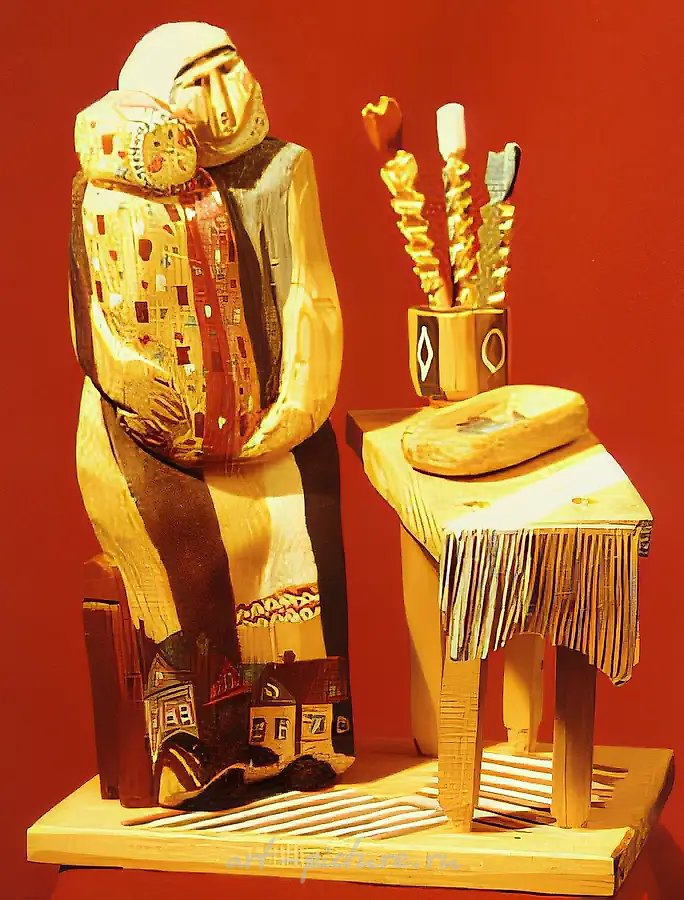
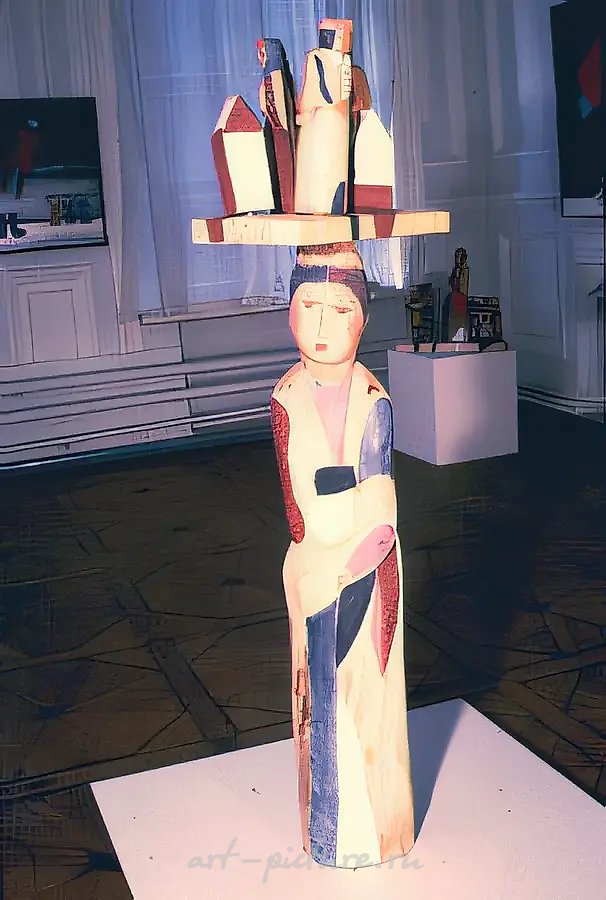
Women engaged in everyday labor are the main subjects of Galina Pisareva's sculptural and pictorial compositions. They wash clothing, carry water, chop firewood, care for children, work the land, harvest crops. In impersonal, elongated figures one feels an indissoluble connection with nature; they emanate an ineffable sense of maternal warmth. In these familiar and seemingly unremarkable daily labors and cares, the lyricism of rural life is depicted. Pisareva reopens what is often already unfamiliar to a city dweller but incredibly close on a genetic memory level, thus returning us to an idyllic Russian village. To the 90th anniversary of her birth, an album about Pisareva was published in St. Petersburg as part of the 'Avant-Garde on the Neva' series.
Works in collections
Works held in the State Tretyakov Gallery in Moscow, the State Russian Museum in St. Petersburg, and private collections in Russia, Germany, Israel, Canada, the USA, Hungary, and France.
Exhibitions and auctions
1983 Personal exhibition. Szeged, Hungary;
1987 Works of Bulgarian artists. Plovdiv, Bulgaria;
1990 Group 6. Toronto, Canada;
1991 Group 6. University, Stockholm;
1991 Exhibition at 'Raissa' Gallery. Erfurt, Germany;
1991 Art Fair. Sinsheim, Germany.
Author about himself
The sources of my art lie in folk wooden sculpture—church, secular, and domestic. Wood carving encompasses all areas of the people's culture; it is not only material but also spiritual. It is multidimensional in imagery and simple in terms of technique. The axe, the saw, the knife, and the soul of the tree, living within it even after it is felled. My favorite examples are Paraskeva Pyatnitsa and the Mother of God. That is why I depict all women as Paraskeva—she embodies the image of the female deity of earth, water, and love. I consider myself in art a follower of the Russian masters who could make divinely simple toys.
Bibliography
V. Meiland, 'The Petersburg Barbizon', 'Stolitsa' magazine, No. 31, 1993;
V. Meiland, 'Pleasant Art', 'Ogonyok' magazine, Nos. 19-20, 1993.
Works 9

St.Petersburg.