
Vladislav Alekseevich Provotorov
Vladislav Alekseevich Provotorov (born June 26, 1947, Potsdam) is a Soviet and Russian artist, one of the representatives of Russian Visionary Art. He was a member of the 'Group of Twenty Moscow Artists' and is considered one of the leaders of contemporary religious-mystical painting. In the mid-1990s, he stepped back from active artistic activity; he is currently a protopriest and the rector of the Annunciation of the Blessed Virgin Mary Church in Pavlovskaya Sloboda (Russian Orthodox Church of the Moscow Patriarchate).
Biography
Vladislav Alekseevich Provotorov was born on June 26, 1947, in Potsdam, in the Soviet-occupied zone of Germany, to a military family. He studied at the Surikov Moscow State Academic Art Institute and graduated in 1972 from the Stroganov Moscow State University of Arts and Industry. A year later, at age 26, he was baptized. From 1975, he worked at the Art Fund of the RSFSR.
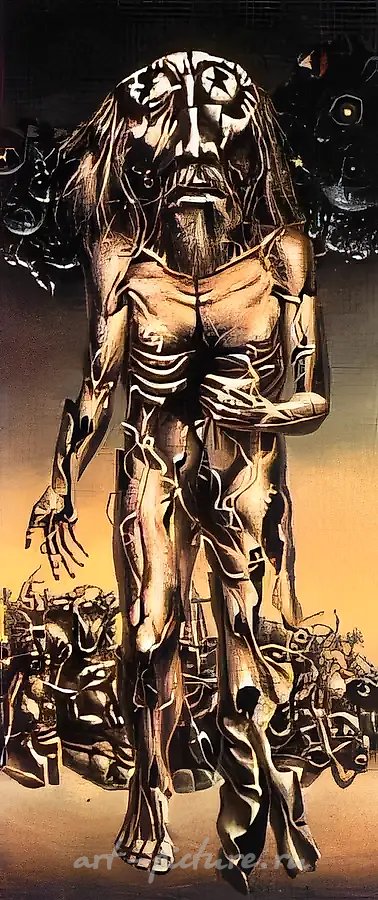
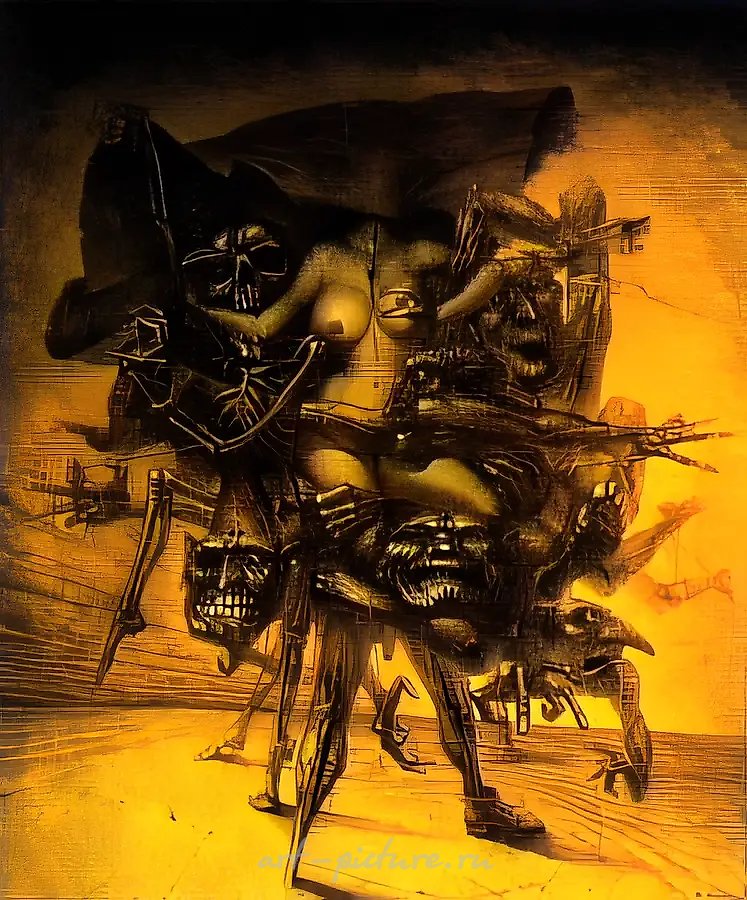
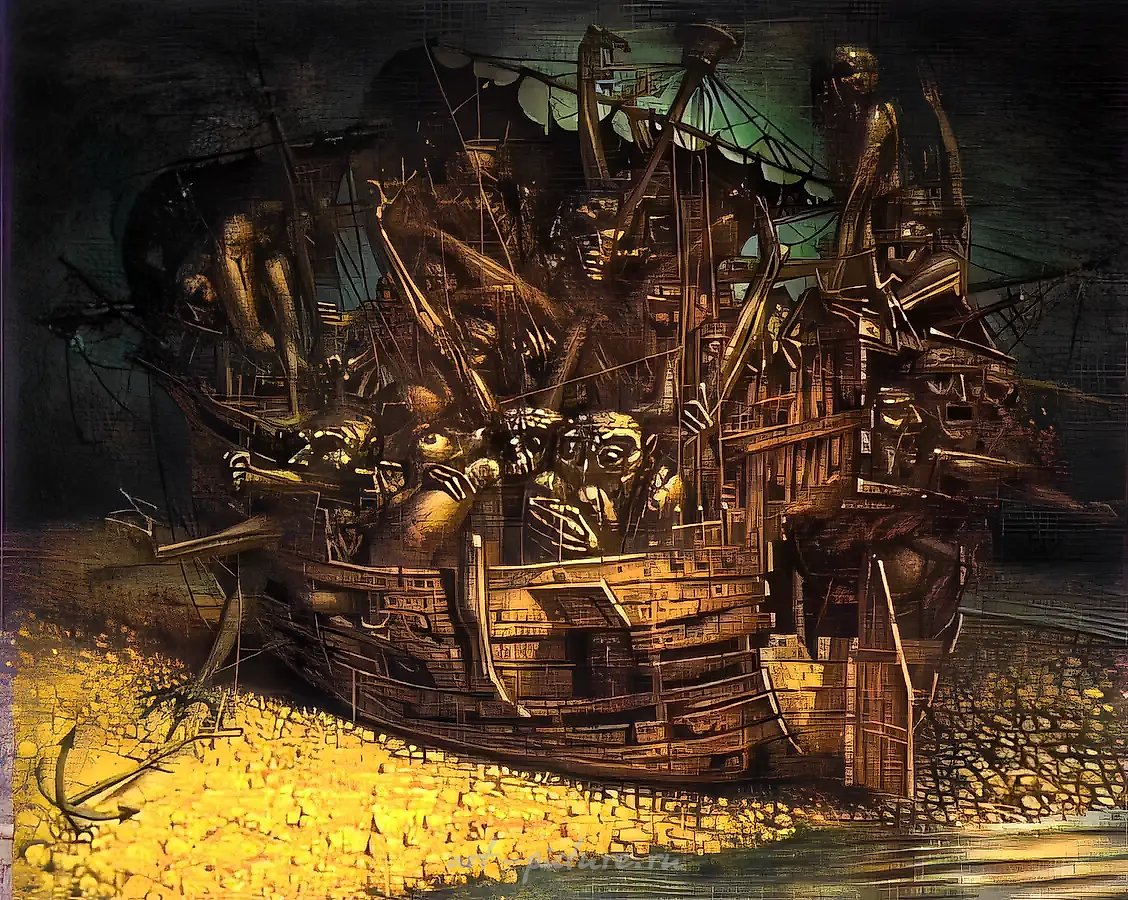
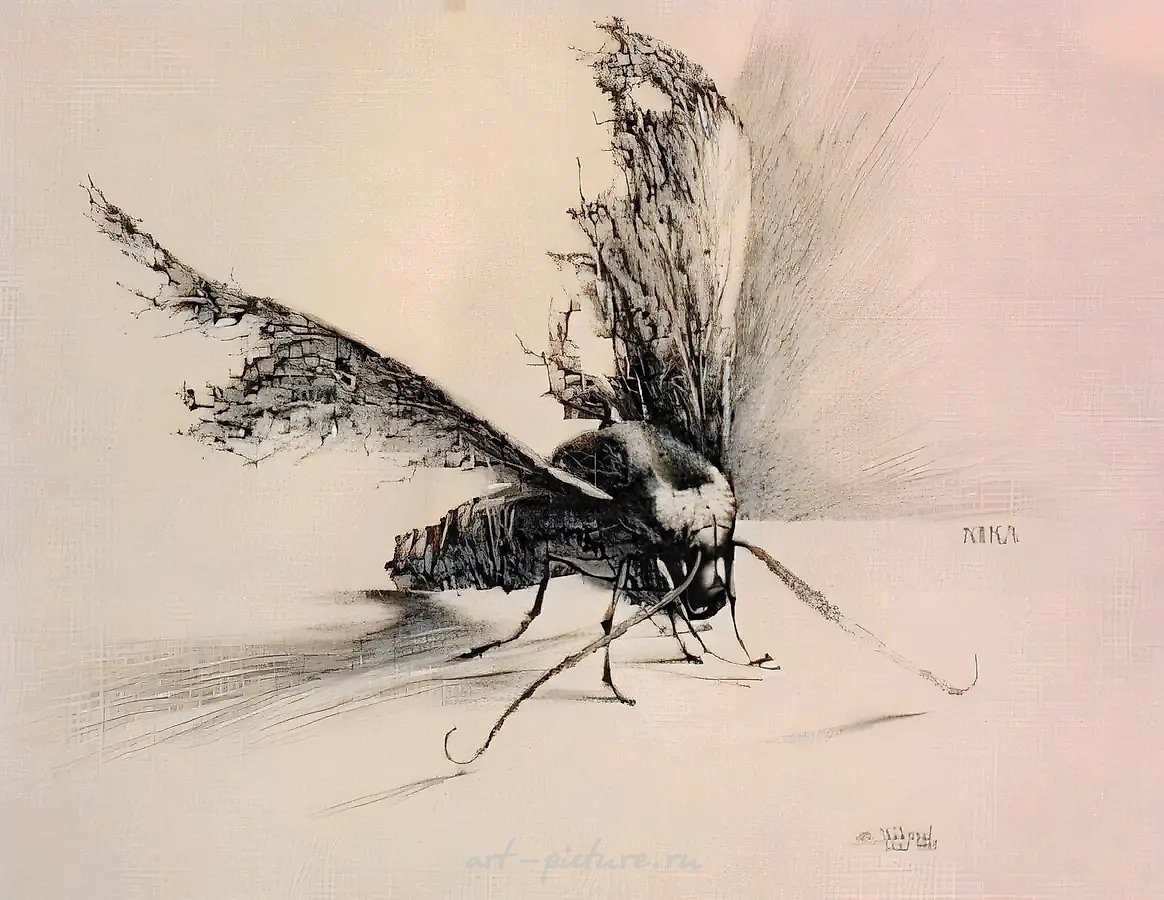
During this time (mid-70s) Provotorov began to exhibit his works, which became known to the wider public. In his early paintings, the influence of the greats of the Northern Renaissance such as Bruegel, Bosch, and Grünewald is noticeable; among his contemporaries (surrealists) — Dali and others. At this time, the artist found himself in creativity and developed his individual painting style. His works did not yet feature religious symbols, being rather philosophical in content.
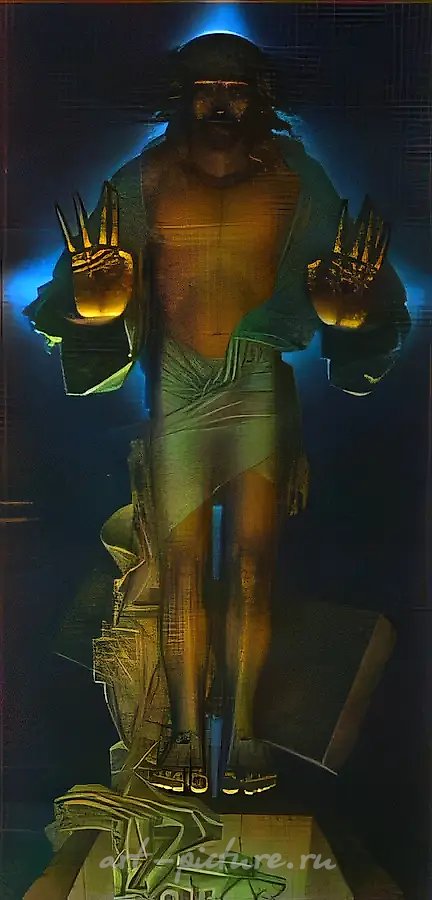
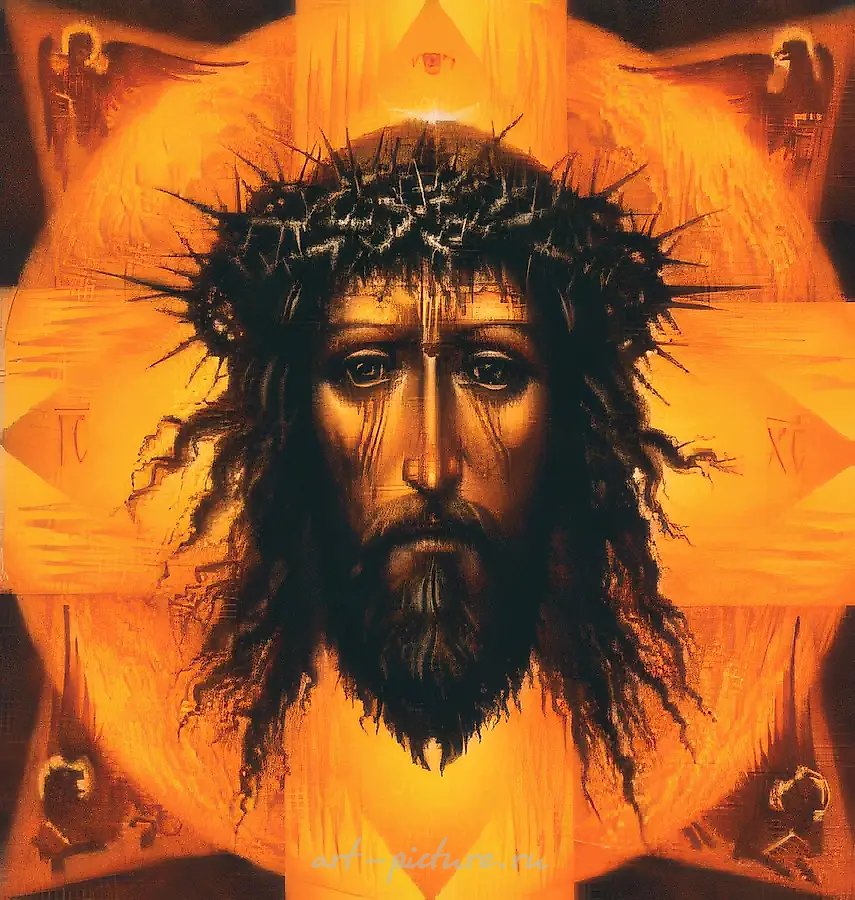
From 1977 to 1991, Provotorov frequently exhibited in the gallery on Malaya Gruzinskaya Street, in the 'House of Vysotsky' and became a member of the famous 'Group of Twenty Moscow Artists', a sort of center of nonconformist painting in the USSR. As one of the most famous representatives of the 'Twenty', he was influenced by Vitaly Linitsky, whose acquaintance and friendship gradually led Provotorov to painting that 'conveys a Christian worldview.' In 1981, he became a parishioner of the Nikolo-Kuznetsky Church. From that time, according to Provotorov, he began to actively move towards Orthodox creativity, which affected his paintings. His art became more and more religious in content. Many works were sold abroad during this period, particularly to Finland and the USA. In the 2000s, most of Provotorov's major works were returned to Russia.
His paintings also participated in the exhibitions at the 'M’ARS' gallery in the early 1990s.
In 1994, he was ordained by Metropolitan Juvenaly of Krutitsy and Kolomna (ROC MP). This marked his move away from painting and his closeness to religious activities. Ten years after ordination, he graduated from the Kolomna Theological Seminary and was elevated to the rank of protopriest. Provotorov is currently rector of the Annunciation of the Blessed Virgin Mary Church in the village of Pavlovskaya Sloboda of the Istra District, and a member of the Diocesan Department for Restoration and Construction.
Church awards:
1997 — Nabedrennik (epigonation)
1998 — Kamilavka (priest’s hat)
2000 — Pectoral cross; jubilee certificate
2004 — Letter of gratitude
Married, has two children.
Interview: 'All roads lead to God.'
Works in collections
His works are held in the 'M’ARS' Gallery in Moscow, the Zigzag Corporate Collection (Zigzag Venture Group), in the USA, in the 'RUSS' Gallery in Helsinki, and in private collections in Austria, Switzerland, Colombia, Finland, and Germany.
Exhibitions and auctions
1978–91 'Twenty Moscow Artists.' Moscow;
1988 1st exhibition of the 'ARS' association. Moscow;
1988 2nd exhibition of the 'ARS' association. Moscow;
1989 Solo exhibition. Helsinki;
1991 ART MIF 2. Moscow International Art Fair. Central Exhibition Hall 'Manege.' Moscow.
Author about himself
I have always been far from politics, but naturally, the time in which I live influences my art. Of course, I could not foresee Chernobyl, the earthquake in Armenia, the outbursts of ethnic hatred in Sumgait and Fergana, but for some reason, when looking at my canvases, people think exactly of these events...
Critic
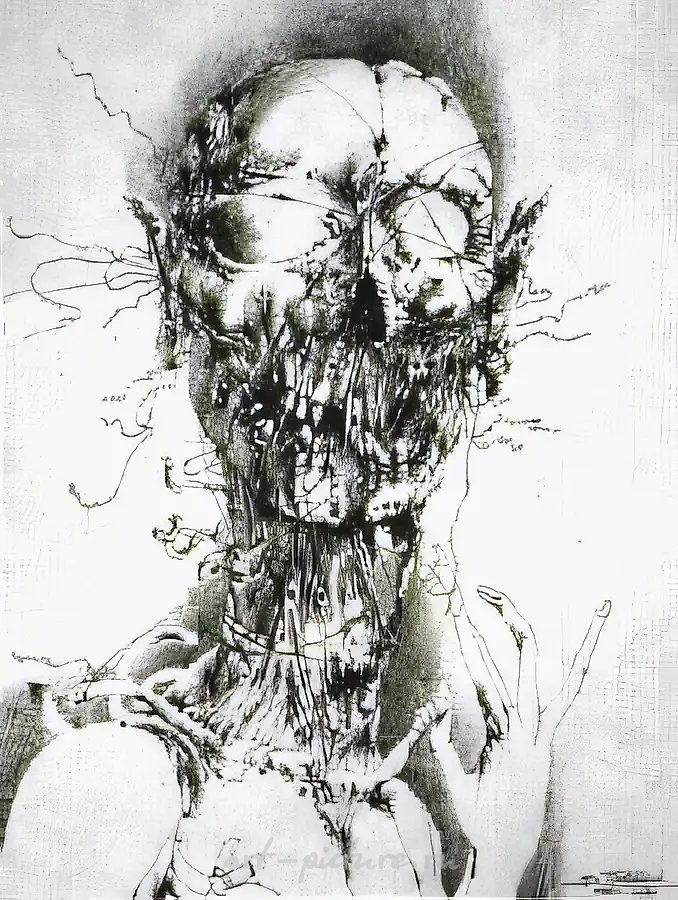
V. Provotorov is a representative of the generation that began its creative path in the so-called 'period of stagnation' in the 1970s. And although the artist’s personal biography is quite prosperous, the oppressive atmosphere of economic, cultural, and moral decay undoubtedly reflected in his paintings, sometimes even regardless of his own artistic will. Having painted his self-portrait in 1976 as a deformed mask, the artist himself could not clearly explain what compelled him to choose this 'frightening style'... Provotorov’s paintings are hard and unpleasant to look at. But who said that art should only please the eye and pat the viewer on the head?
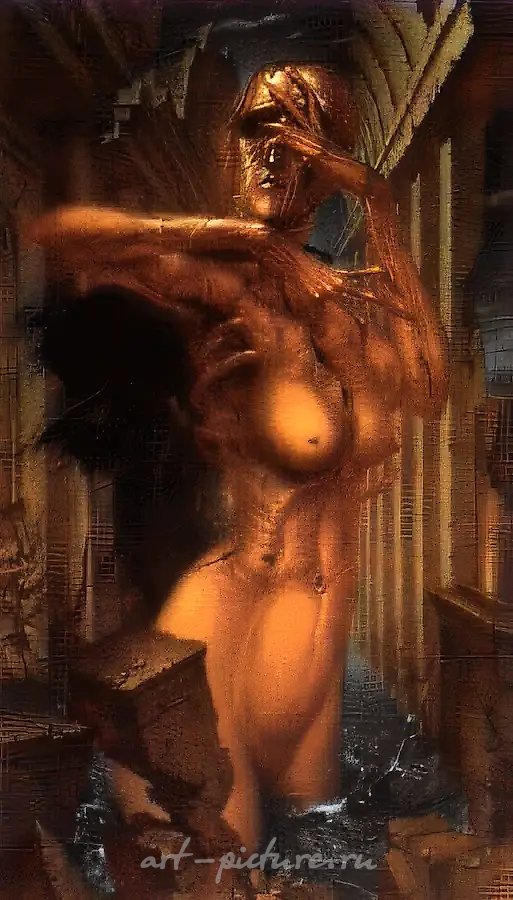
Provotorov is often accused of various sins: cruelty, sadism, pathology, even perverted sexuality. There can be few statements more remote from the truth. His paintings are the cry of a preacher, showing a world mired in sin pictures of hellish visions and dreaming, through them, of returning it to the path of virtue. Whether he will succeed is another question, but the very fact of using art as a tool for morality in our hectic age is very significant.
Provotorov’s imagery draws on the great cosmology of Christianity. It is Christianity that has shaped his understanding of Good and Evil, Christ and Antichrist, Life and Death, Chaos and Harmony. In his work, Provotorov is close to the traditions of Western painting, which he knows and loves perfectly, especially the artists of Northern Europe associated with the ideas of the Apocalypse—Dürer, Bosch, Bruegel—and in technique he is a pupil of the masters of the Italian Renaissance, whose art he has studied thoroughly and lovingly for many years. On the other hand, his work is a fact of Russian culture, with many solid threads connecting him to the fantasies of Gogol, the 'abysses' of Dostoevsky, the apocalyptic visions of Blok, Bely, and Leonid Andreyev. He considers himself a realist, but of a special kind—a 'fantastic' one.
O. Torchinsky
Bibliography
Newspaper 'Soviet Culture', June 26, 1979;
Exhibition catalogs of the group 'Twenty Moscow Artists', 1978, 1982, 1986, 1988, Moscow;
Catalog of the 'ARS' association, 1988, Moscow;
Journal 'New Times', No. 14, 1987;
'ARS Sovietica' catalog, 1988, Helsinki;
'Relying on Aesthetic Ignorance', magazine 'Soviet Land', 1988, Moscow;
Exhibition catalog 'Vladislav Provotorov', 1989, Helsinki.
Works 18