
Ruslan Nikolaevich Gudiev
Born in 1944 in the village of Kobi, Georgian SSR. Studied at the Art School in Tskhinvali from 1959 to 1962. Studied at the Leningrad Higher Art and Industrial School named after V.I. Mukhina in 1964–65. Worked as a musician at Mosconcert from 1968 to 1983.
Works in collections
Ministry of Culture of the Russian Federation, Moscow. Consulate of Chile, Moscow. Collection of the Grand Duchess of Luxembourg. Private collections in Russia, the UK, Luxembourg, Germany, Finland, Switzerland, Norway.
Exhibitions and auctions
SOLO EXHIBITIONS: 1990 Hermitage Gallery, Contemporary Art Center, Moscow. GROUP EXHIBITIONS: 1990 'ART MYTH 1', Central House of Artists, Moscow. 1991 'Abstract Painting', Profsoyuznaya St. 100, Moscow; 'Contemporary Artists to Malevich', State Tretyakov Gallery, Moscow; 'ART MYTH 2', Manege, Moscow. 1992 'Moscow Landing', Festival of Contemporary Russian Art, Helsinki, Finland. 1993 'Graphics', Hermitage Art Agency, Central House of Artists, Moscow; 'Russian Graphic Art', Museum of Fine Arts, Ankara, Turkey; 'Postmodernism and National Traditions', State Tretyakov Gallery, Moscow; 'ART MYTH 3', Manege, Moscow; 'Ideal City. Trends in Contemporary Russian Art', National Museum, Singapore; '8 Kunstler aus Moskau', Walter Bischoff Galerie, Stuttgart, Germany. 1994 'Abstract Graphics', Museum of Fine Arts, Orel.
Critic
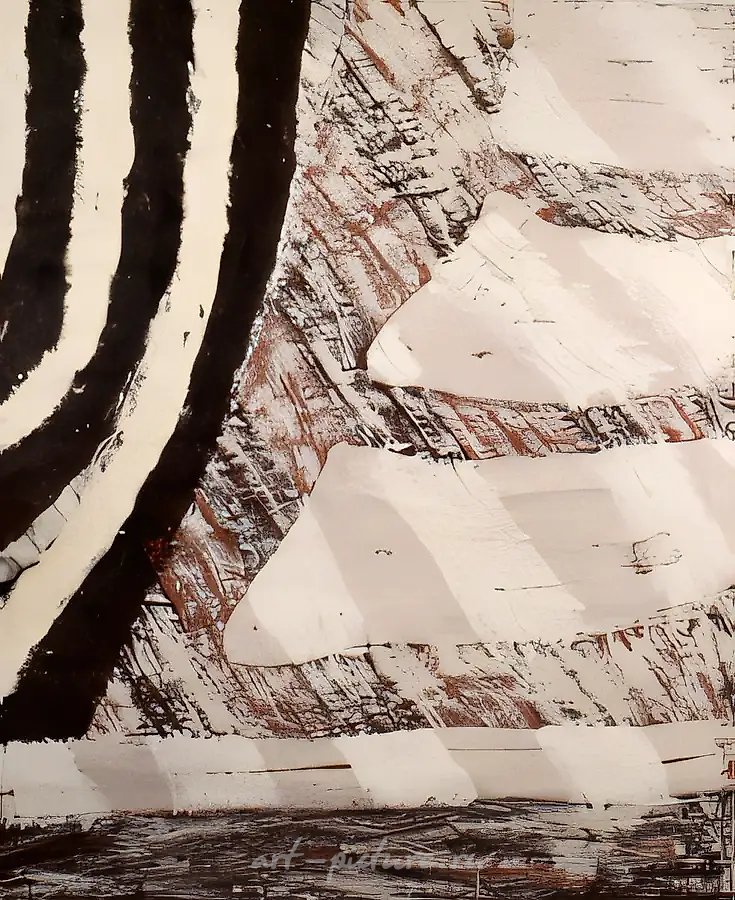
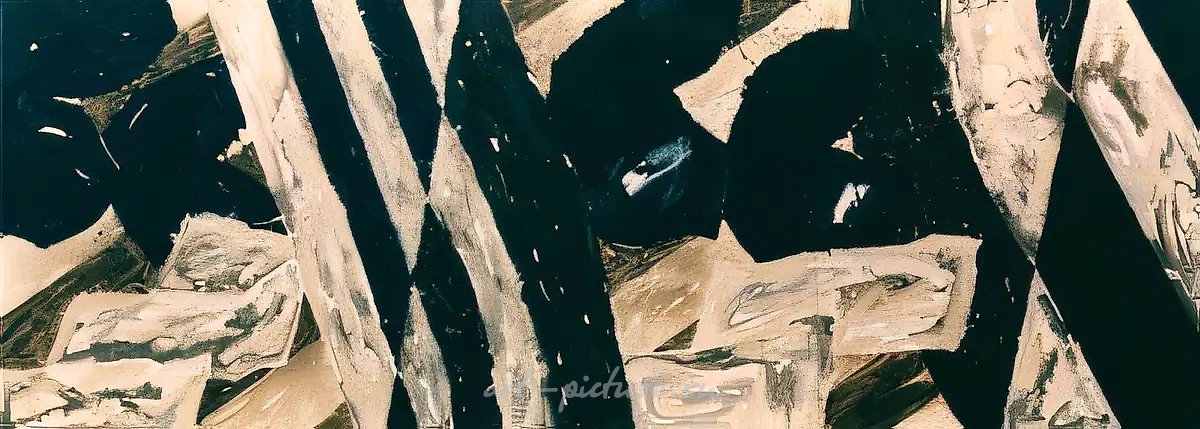
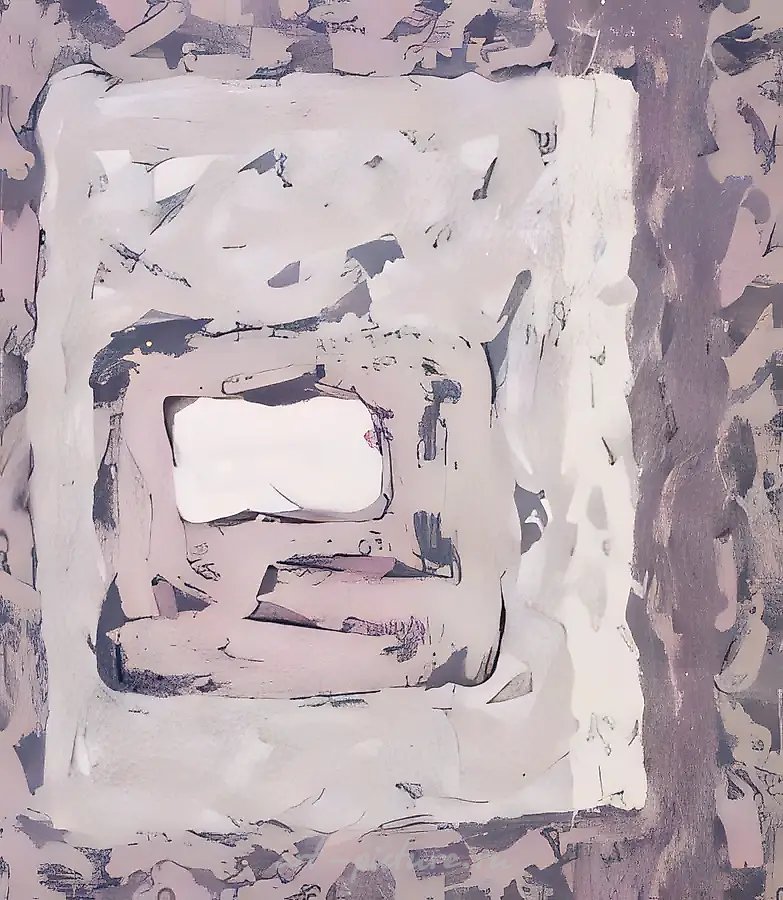
The creative work of Ruslan Gudiev has experienced its own rises and falls, marked by transitions from one style to another: the first, conventionally, was impressionistic; the second, in the spirit of European transavantgarde; and the latest, third one—abstract expressionism. While the first two periods are understandable in their origins, the current one is less so, for there was no tradition of abstract expressionism in the Moscow school of painting, to which Gudiev belongs, and the work of its founder, Wassily Kandinsky, as is well known, was for a long time deliberately suppressed. In twentieth-century art, abstract expressionism has repeatedly revived, running as a dotted line through its history; since the 1950s–60s, it has become a certain artistic tradition, so significant for the USA and a number of European countries. Gudiev’s work signals that this movement also finds its adherents in Moscow. Gudiev’s large monochromatic compositions are built on combinations of large, destructive painterly spots. Sometimes these may evoke certain visual associations with the real world—tree trunks or waves at sea—but overall, they are free of direct analogies and only indirectly connected to reality. However, this connection undoubtedly exists, albeit on another level; after all, the beauty of forms that are themselves abstract in nature—stones on the shore, shifting clouds, or shells—can provoke a similar approach to painterly interpretation as in Gudiev’s work. Equally important is that these forms are executed with great temperament, appearing charged with energy. Essentially, Gudiev has a 'landscape-like' vision of the world, as hints of industrial motifs are absent from these compositions. This art is cleansed of the signs of modern urban civilization; it strives to retreat into a pre-historic or post-historic consciousness, when the world is full of symbols and fundamentally unknowable. His palette also recalls the prehistoric, rightly bringing to mind the colors of the earliest Paleolithic and Neolithic masters: black, white, red, and ochre—the colors of the earth in its primordial state, when the chaos of creation has only just ended, but everything is full of its traces, and the first hints of the colors of life—green and yellow—appear. There are no differentiated planes here; all forms are in their original meaning, that is, forms as such, and they are equally significant, with neither primary nor secondary elements. Space, just separated from matter, seems yet to have no perspective. It should also be noted that black, violet, and ochre are the bastions of the spiritual on the palette; these colors are inherently transcendent. Thus, different associations, different thoughts and feelings... This is the nature of contemporary painting. Gudiev’s work comprises numerous melodies and variations. This is understandable, for he has given as much time to his passion for music as to painting.
— V. Turchin
Works 10