
Yuri Savelievich Zlotnikov
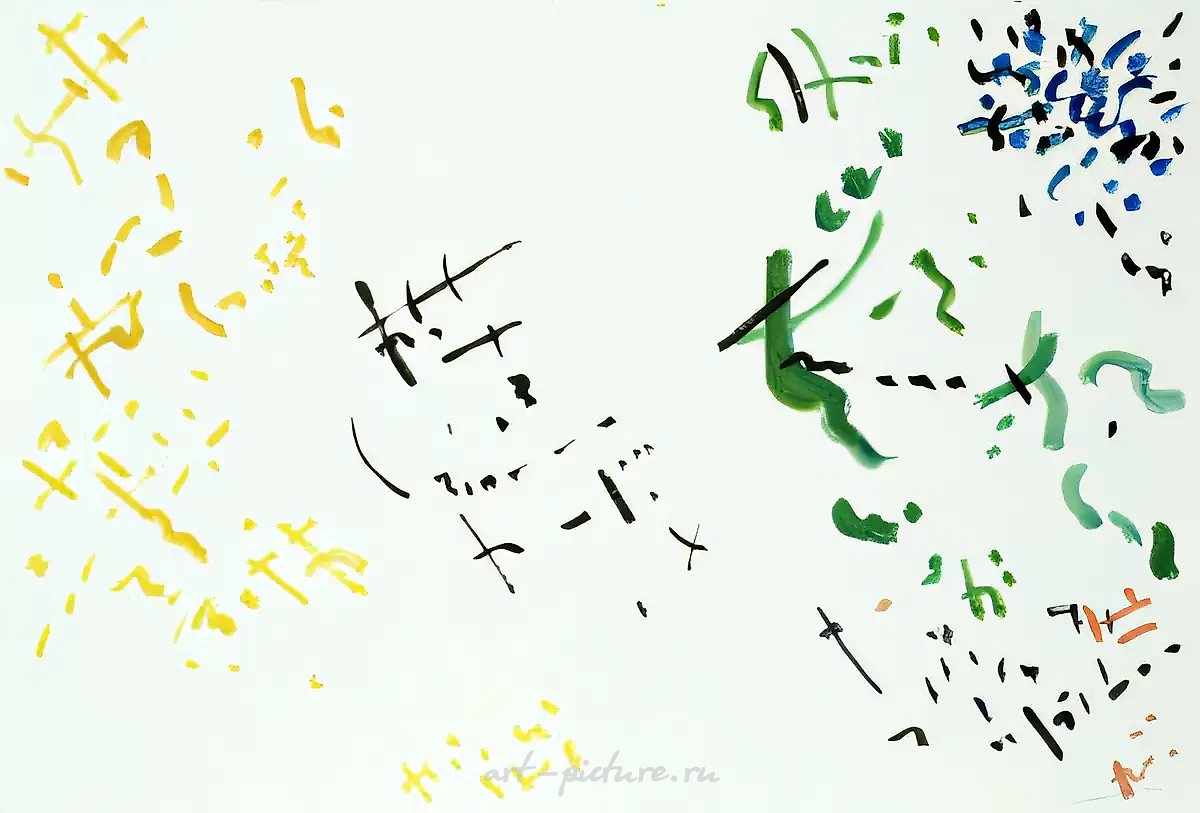
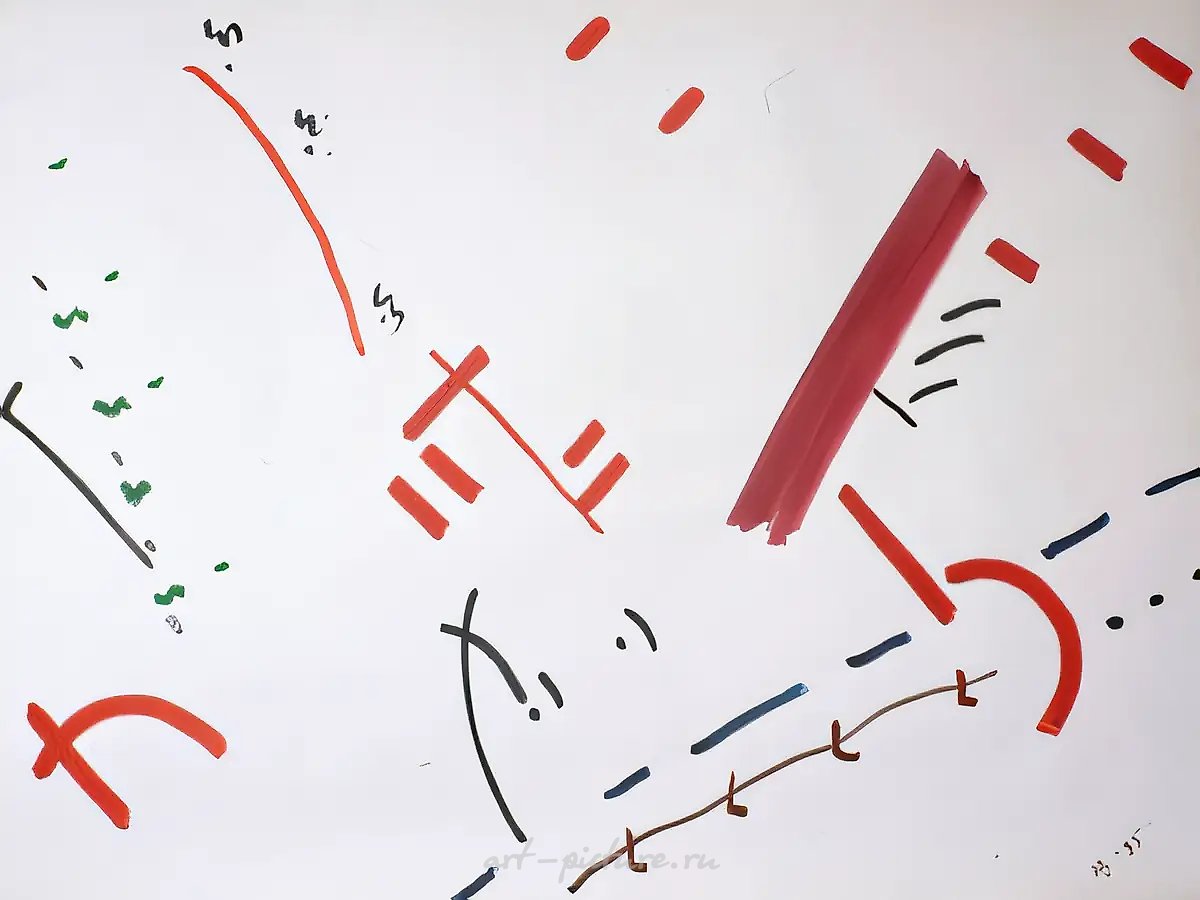
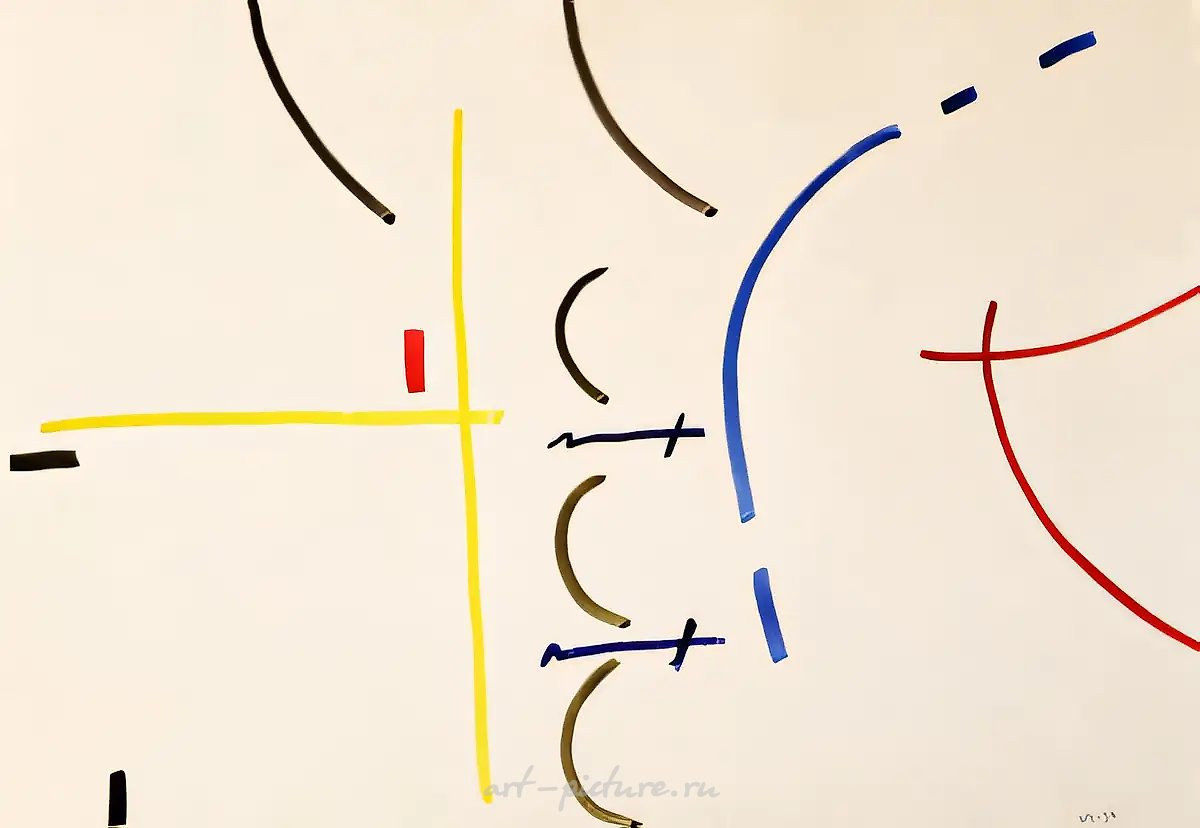
Yuri Savelievich Zlotnikov (born April 23, 1930, Moscow, USSR – died September 25, 2016, Moscow, Russia) was a Soviet and Russian abstract artist. Corresponding member of the Russian Academy of Arts (2012). Considered one of the first abstract artists of the 'Thaw' period. His systematic approach to structuring the artistic language distinguishes Zlotnikov’s work among other manifestations of abstraction within the neo-avant-garde, in some sense inheriting the painterly systems of Wassily Kandinsky and Piet Mondrian. His works influenced the development of Russian contemporary art in the second half of the 20th century and into the current century. In the early 1960s, he developed a 'signal system' uniting both an artistic and scientific methodology.
Works in collections
State Tretyakov Gallery, Moscow
State Pushkin Museum of Fine Arts, Moscow
Contemporary art collection of the Tsaritsyno State Museum-Reserve, Moscow
State Literary Museum, Moscow
State L. N. Tolstoy Museum, Moscow
Ministry of Culture of the Russian Federation, Moscow
Far Eastern Art Museum, Khabarovsk
De France Gallery, Paris, France
Georges Olivier Gallery, Paris, France
Binet Gallery, Tel Aviv, Israel
Engel Gallery, Tel Aviv, Jerusalem, Israel
Private collections:
G. Pospelov & M. Reformatskaya, V. Dyakov, L. Talochkin, V. Dudakov, R. Klimov, Moscow
G. Basmadzhyan, I. Shmain, Paris, France
Exhibitions and auctions
SOLO EXHIBITIONS
1977 Institute of Art History, Ministry of Culture of the USSR, Kozitsky Lane, Moscow
1978 One-day exhibition and evening. House of Artists at Kuznetsky Most, Moscow
1985 Moscow House of Architects, Moscow
1987 Creative evening as part of 'Retrospective of Moscow Artists 1975-1987.' Hermitage Club, Profsoyuznaya St., 100, Moscow
1990 'Space, Color, Impulse.' Contemporary Art Center, Moscow
1990 House of Artists, Jerusalem, Israel
1992 Municipality Club, Ma'alot, Israel
GROUP EXHIBITIONS
1956–78 Apartment exhibitions and shows
1986 XVII Youth Exhibition. House of Artists at Kuznetsky Most, Moscow
1986 'Art and Scientific and Technological Progress.' Central House of Artists (CHA), Moscow
1987 'Artist and Contemporaneity.' First Creative Association of Moscow Artists. 'Kashirka', Moscow
'Creativity Retrospective of Moscow Artists 1957-1987.' Hermitage Club, Profsoyuznaya St., 100, Moscow
1988 'Geometry in Art.' 'Kashirka', Moscow
1988 Arts Festival. International Exhibition. Baghdad, Iraq
1988 'Graphics of Moscow Artists: To the City and the World.' CHA, Moscow
1988–89 'Labyrinth.' Palace of Youth, Moscow; Warsaw, Poland; Hamburg, Germany
1989 'Moscow Artists in London.' Riverside Artists’ Group, London, UK
1990 'Soviet Contemporary Art.' Feldman Fine Art Auctioneers, New York, USA
1990–91 'Other Art. Moscow 1956–1976.' Moscow Collection Gallery, Tretyakov Gallery, Moscow; Russian Museum, Leningrad
1991 'Contemporary Artists – To Malevich.' Tretyakov Gallery, Moscow
1991 'Andligheten i Rysk Konst.' Galleri Otso, Helsinki, Finland
1994 'Moscow Artists. A New Look.' House of Artists at Kuznetsky Most, Moscow
CURATED PROJECTS
1963 Exhibition of works by K. Petrov-Vodkin (jointly with K. Simonov and V. Kostin). Central House of Writers, Moscow
1986 'Art and Scientific and Technological Progress.' (section 'Russian Utopia'). CHA, Moscow
1994 'Moscow Artists. A New Look.' House of Artists at Kuznetsky Most, Moscow
1995 'Portraits of V. Favorsky. Problems. Process.' 'Na Solyanke' Gallery, Moscow
Author about himself
No available information.
Critic
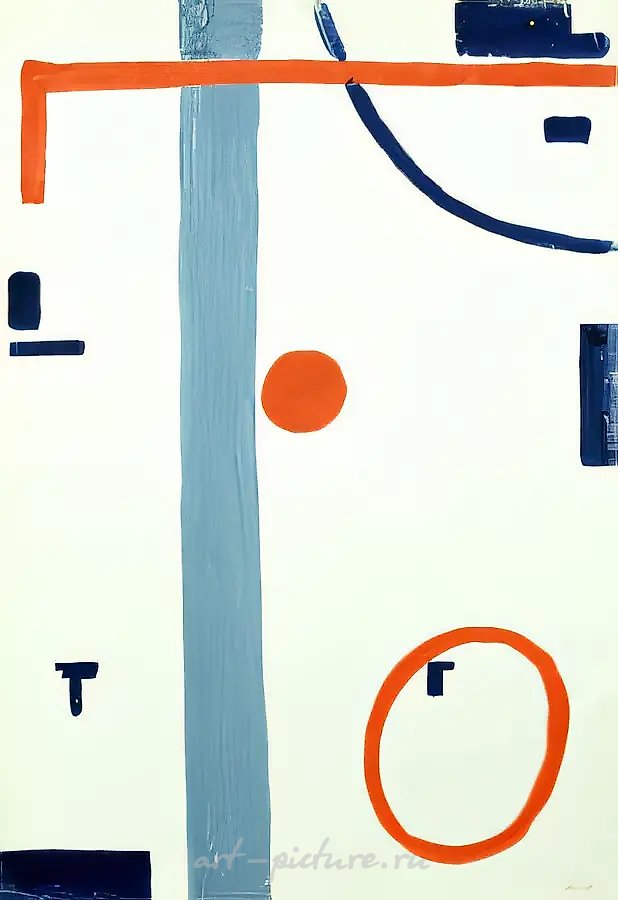
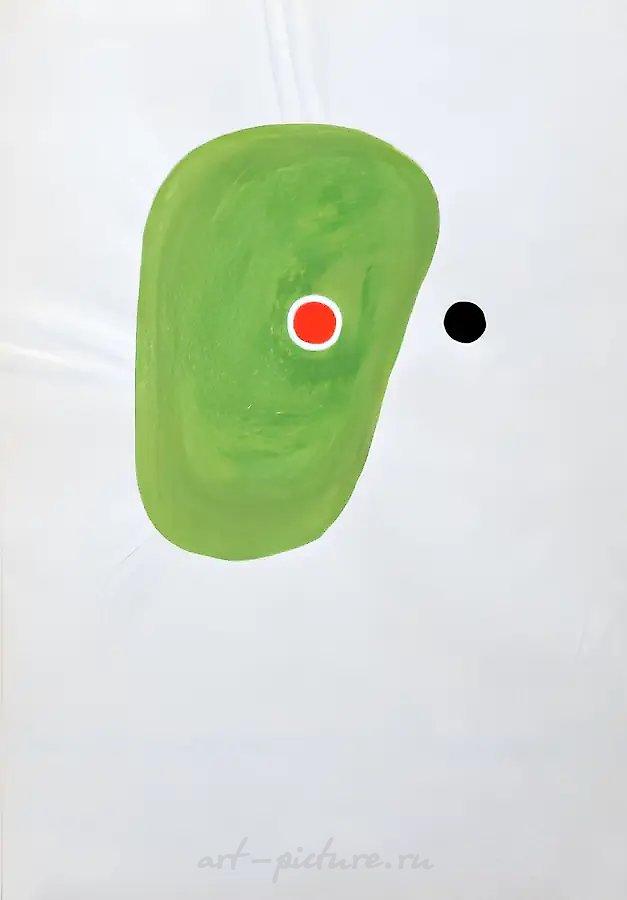
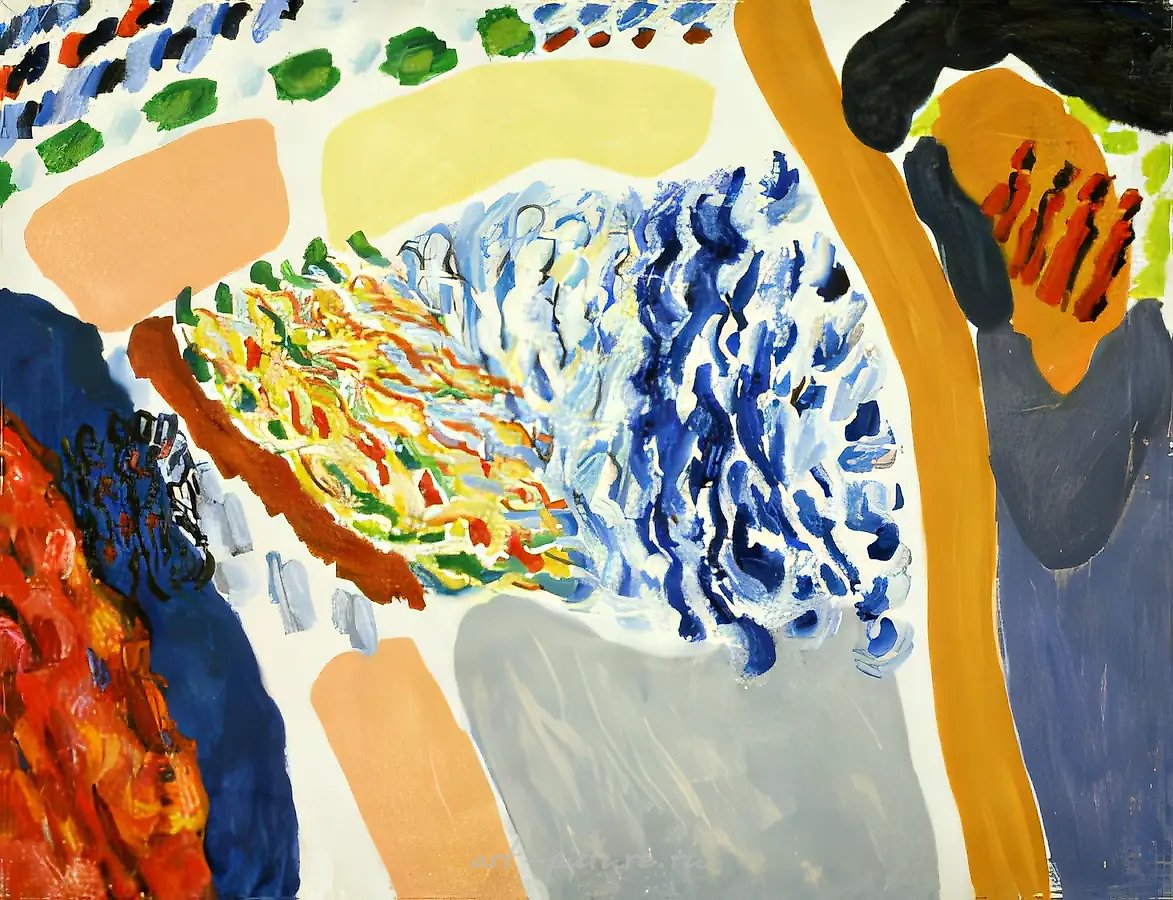
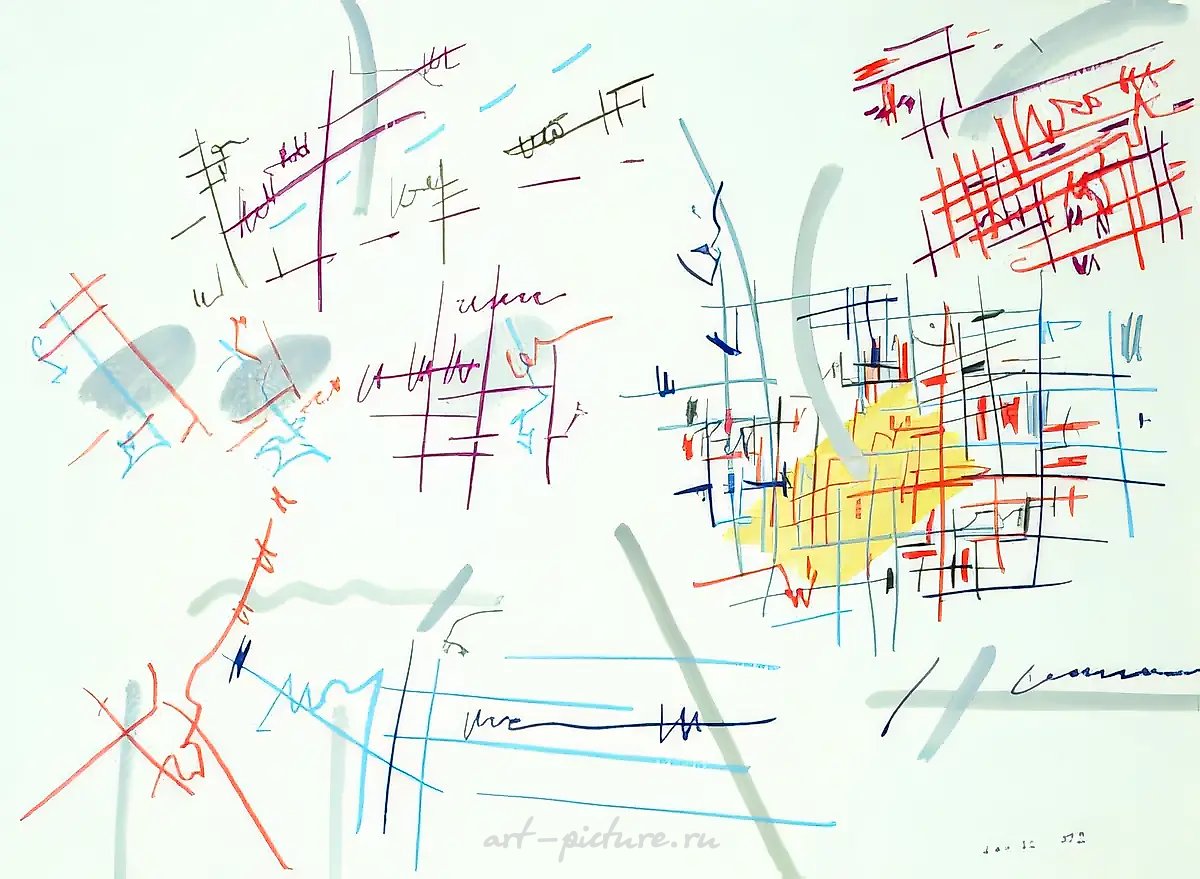
The art of Yuri Zlotnikov is, in a sense, unified—all of it is dedicated to searching for structural laws. Since the late 1950s to the present, he has been obsessed with the idea of abstracting to a semantic, symbolic level, giving it the status of an objective language of communication, which prompted him to create numerous literary texts accompanying his 'visual texts' (these texts, except for fragments, remain unpublished). Since he doesn’t belong to the type of artist who meticulously keeps their 'file,' dates within series and other details are approximate, according to memory. The 'Signal System' is the foundation for all his subsequent experiments. Such an attempt to establish the patterns of psychophysiological motor skills, the nature of a person's reactions to color and form, to determine a kind of constant valence for graphical symbols and categories, is unprecedented not only in Soviet art of that time but also worldwide. In some part, the 'Signals' anticipated systematic art and minimal art of the 1960s and, more broadly, the scientific consciousness of the 1960s: the flourishing of exact sciences and their practical application (it is not by chance that Zlotnikov made many utopian attempts to introduce his fundamental discoveries about the effect of color and form into practical construction and design—even designing interiors for a spaceship). Zlotnikov's most ascetic, laboratory-like series seems to lack a direct continuation—later he moved away from minimalist geometry, and his works gained a more spontaneous and expressive character. Yet even in this impulsiveness, there is a synthesis, a knowledge of 'the law.' From 'Signals' comes the experience of modeling the space of a painting as a certain living space, motivated psychologically. In Crimean landscapes and then in his vast cycle 'Space, Rhythm, People,' Zlotnikov rationally interprets his romantic need for clear semantics—concepts of space and construction acquire metaphorical expressiveness; key categories for the artist such as 'freedom,' 'harmony,' and others are reflected at the concrete-gestural level and become recognizable and stable elements of his meta-language (the transition from analytics to metaphor falls in the mid-1960s, switching back to pure abstraction interest by the mid-1980s). In the 1960s–70s, Zlotnikov worked actively both as a graphic artist and a painter. He himself divides his creative path into three stages—the stage of 'psychophysiology' ('Signals'), the stage of 'metaphor' (until 1988), and the stage of 'thinking' (meaning linguistic construction of thinking processes, with which he is engaged presently, beginning with the 'Neoconstruction' series). He now continues working on the 'Construction and Structure' cycle, striving, in his own words, to achieve a new level of synthesis between logic and sensation; the goal he set—to express the dynamic balance of the world. Such a 'general' formulation of the task stems from the artist’s overall distrust of subjective expression: he views his work as having an objective, world-structuring significance.
G. Elshevskaya.
Works 13