
Georgy Semyonovich Litichevsky
Born in 1956 in Dnepropetrovsk. Graduated from Moscow State University (History Department) in 1979. Member of the City Committee of Graphic Artists since 1990. In 1990, collaborated with F. Bogdalov in the group "BOLI" (Bogdalov - Litichevsky). Participated in artists' workshops on Furmanniy Lane from 1988 to 1989 and at Chistye Prudy from 1990 to 1994. Member of the editorial board of the journal "Artistic Life" since 1993. Member of Moscow Union of Artists (MSKh) since 1993. Together with G. Ostretsov, co-founded the group "George & George" (1986–1988, and since 2003). In 2003, organized the performance group "Ballet Troupe under the direction of Georgy Litichevsky." Lived in Nuremberg from 1998 to 2001. Since 2001, lives and works in Berlin and Moscow.
Works in collections
State Tretyakov Gallery, Moscow
Andrei Sakharov Museum, Moscow
Museum of Contemporary Art KIASMA, Helsinki, Finland
Oklahoma City Museum of Art, USA
Private collections in Russia, Belgium, Switzerland, Italy, France, Germany, UK, USA.
Exhibitions and auctions
SOLO EXHIBITIONS (Highlights):
1988 – Author model show, Moscow
1990 – "Without the artist’s knowledge", Dubna
1993 – "Orangery and Surroundings", Moscow; "Horror vacui", Russian-Dutch project, Moscow
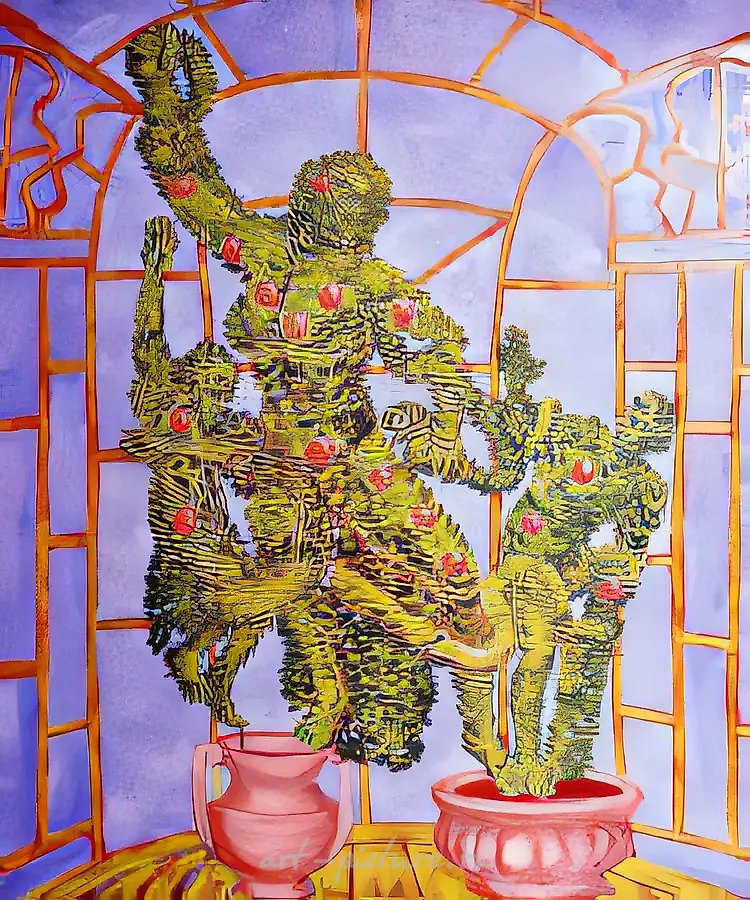
1994 – "Muses, Graces and Others", Moscow; "Many-Faced Buratino", Amsterdam; "Holzkobolde" with S. Gorshkov, Bonn
1995 – "Grosse Comics", Berlin; "Neumestnost", Moscow
1996 – "Diligence" with K. Zvezdochetov, Moscow
1997 – "48 Ways to Levitate the Auxiliary Palace", Tsarskoe Selo
1998 – "Hero of our Time", Moscow
2001 – "Georgy Litichevsky – Neue Russische Kunst”, Nuremberg
2003 – "Pinocchios Wahlverwanschaften", Nuremberg; mural "Yogga-party or Psychopath Ants", Moscow
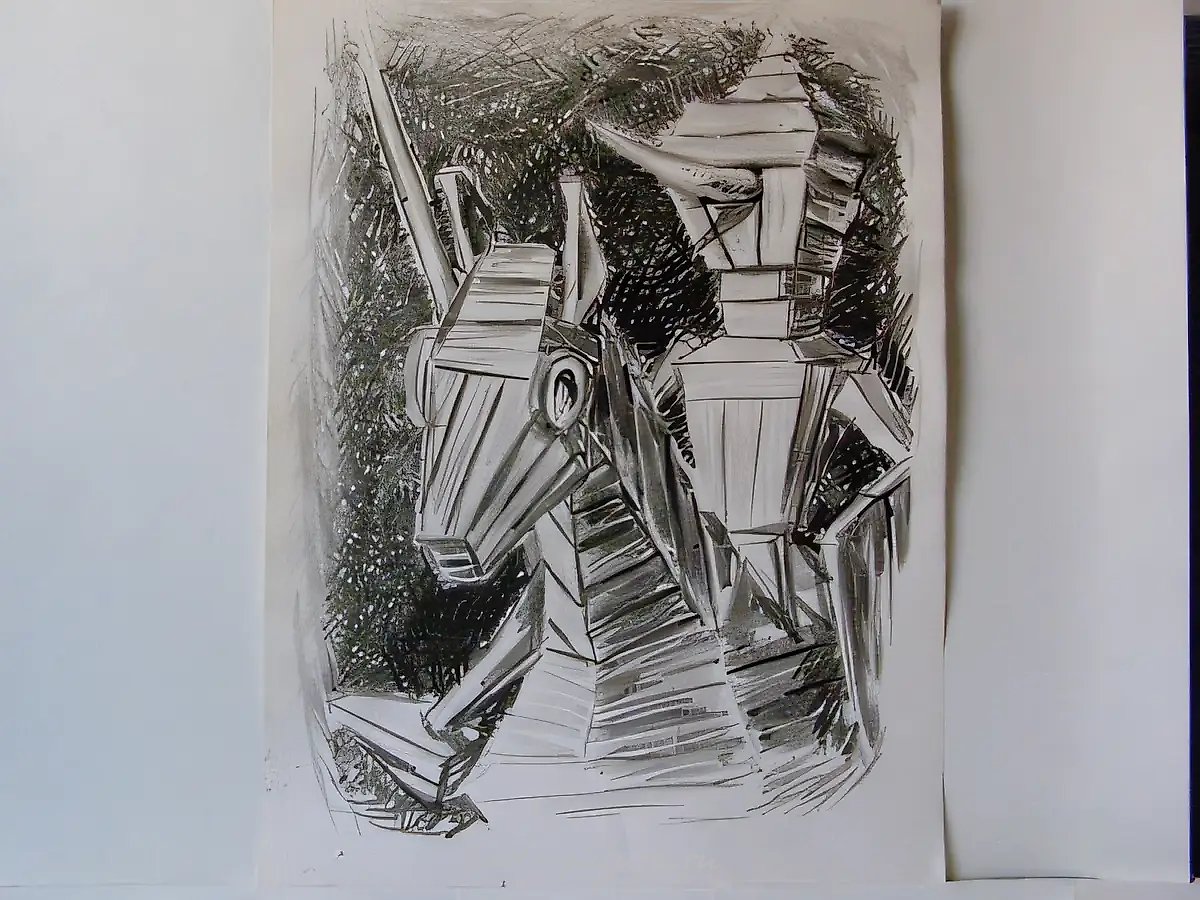
2004 – "Wooden logic", Moscow
2005 – "In Process" with G. Ostretsov, Moscow; "One Lady’s Story" with I. Valdron, Paris
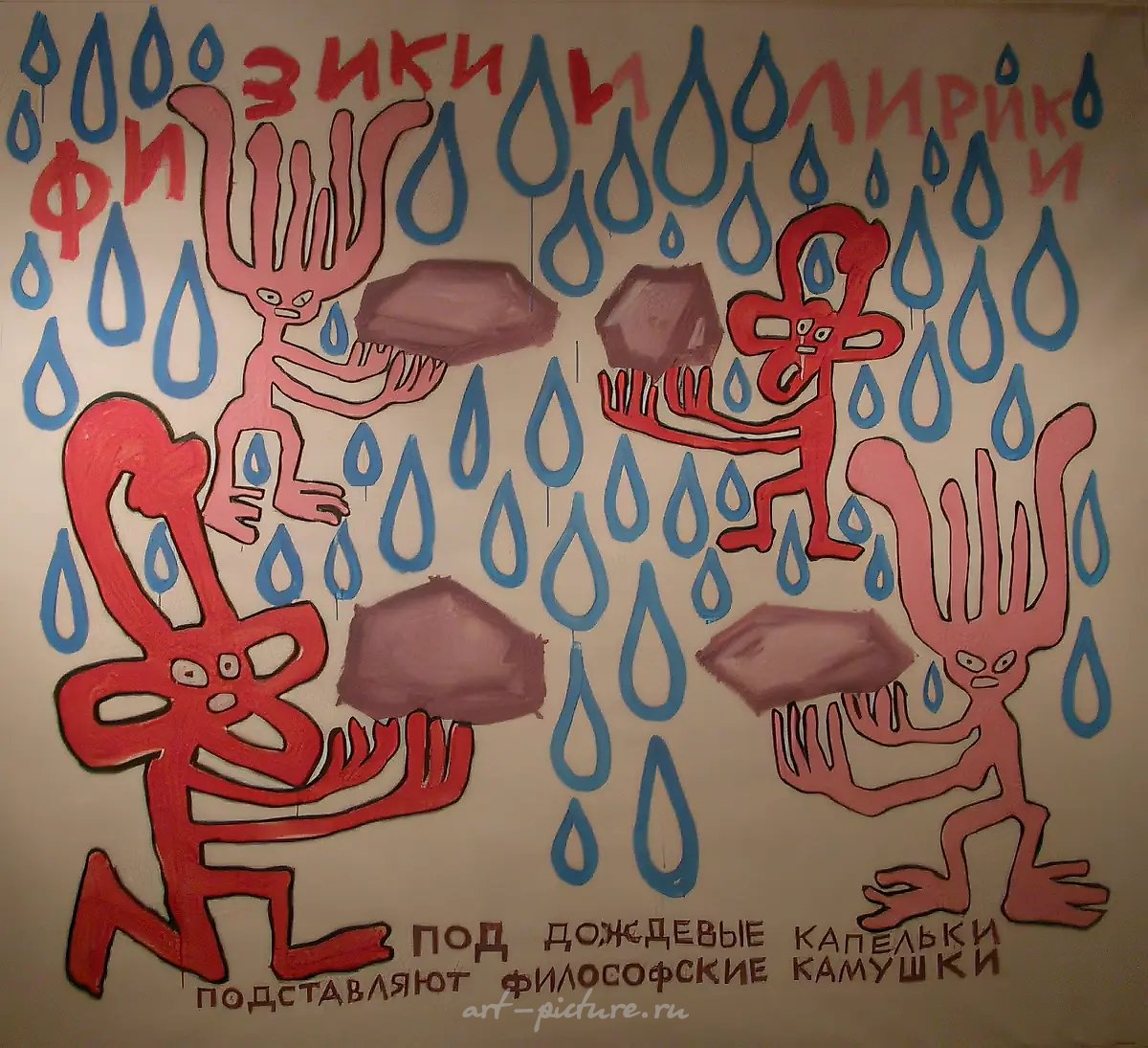
2006 – "Physicists and Lyricists, or Sex and the City" with G. Ostretsov, Moscow
2008 – "Agents of Vision of Georgy Litichevsky", Moscow
GROUP EXHIBITIONS and ACTIONS (selected): Participated in major art events and festivals from the 1980s to 2000s, including exhibitions in major venues in Moscow, Europe, and USA, as well as curatorial and collaborative projects.
Critic
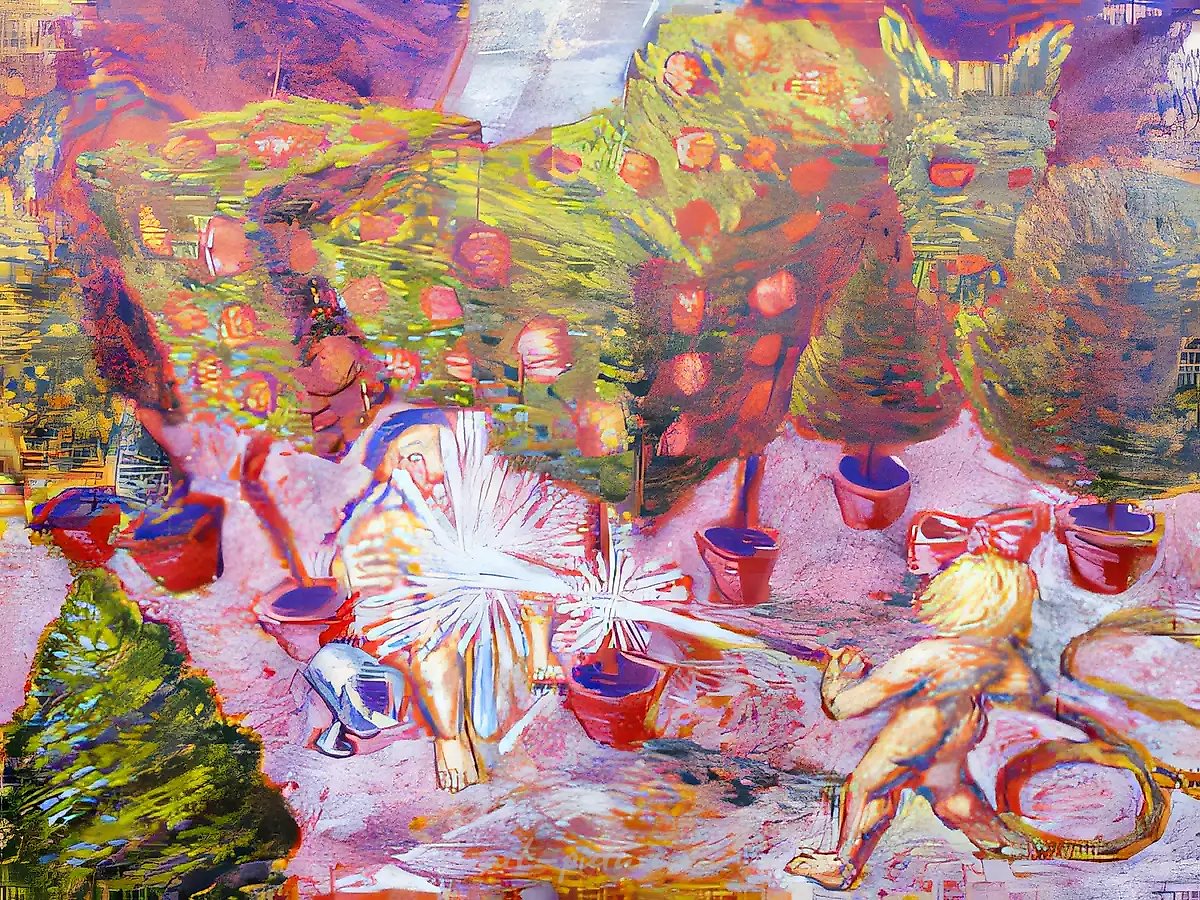
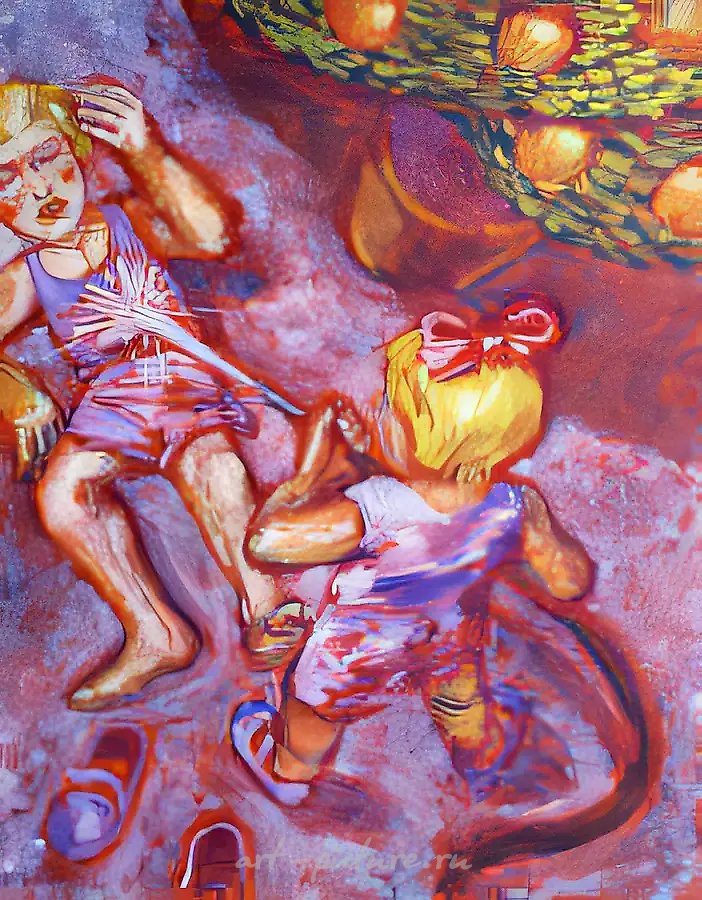
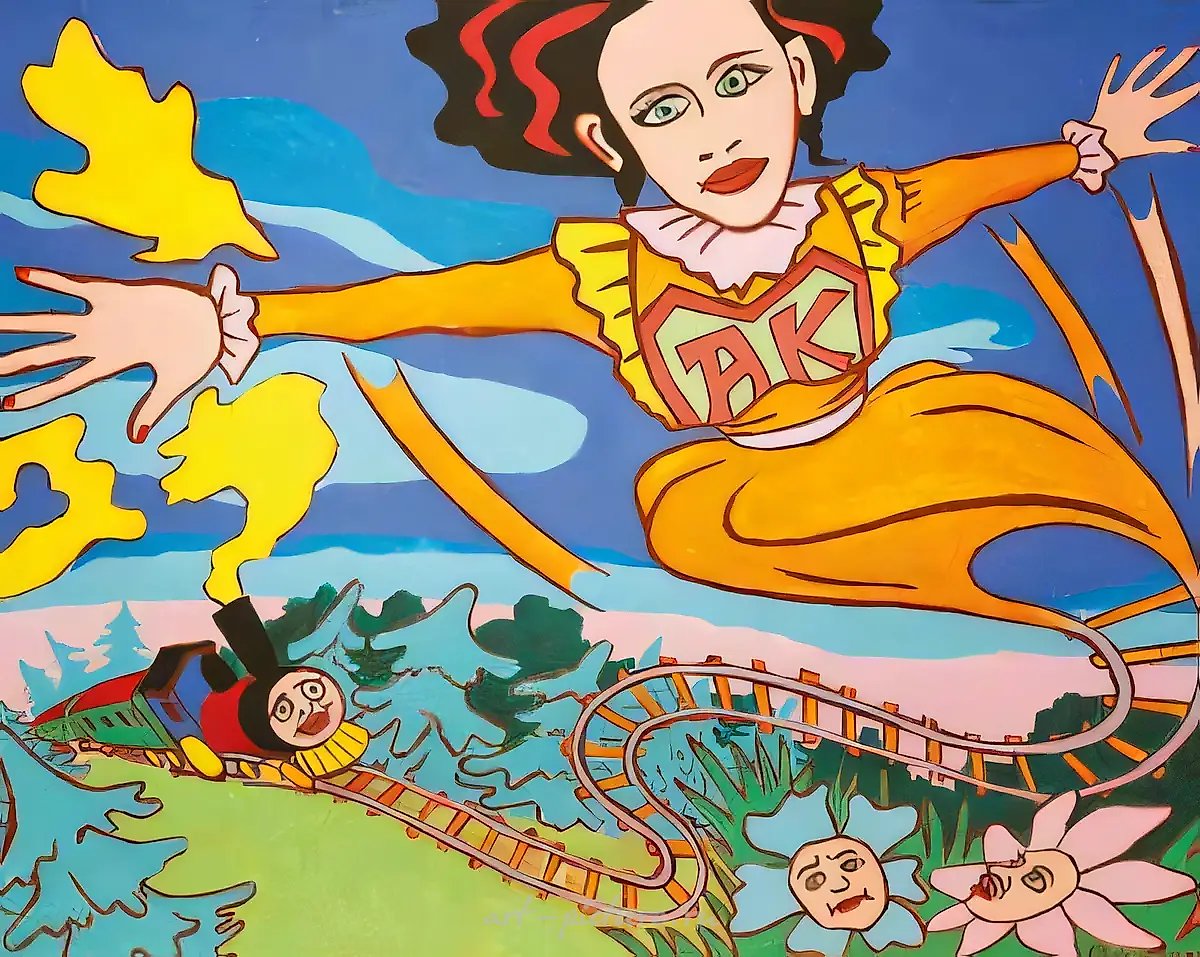
The brief renaissance of the Perestroika era gave rise to a new type of creative personality. These new artists, who valued dilettantism and a lifestyle of artistry over the routine of medieval professionalization, included not only janitors and night watchmen but also scholars like Georgy Litichevsky, who requalified from classicist to avant-garde artist. Drawing comics, initially an innocent hobby, became the basis for his own aesthetic. Later, Litichevsky changed tactics, mimicking the representational canon of historical figure portraiture, involving favorite folklore heroes such as Przhevalsky with his horse, Krylov with his dog Moska, and Michurin (apples), among others. In parallel, together with Farid Bogdalov, he developed the 'impossibilism' (art of the impossible) program. The group 'BOLI' encouraged artists to seek a new audience, exploring chance, play, and fate, symbolized by the dice—a form easily transformed for varying meanings. His works, whether installations using contemporary technology, paintings in naive-art style, or essays about the art scene, all reveal his historical background, particularly a focus on global cultural codes and timeless stories. Yet, Litichevsky's favorite genre remains comics. (M. Orlova, 1993)
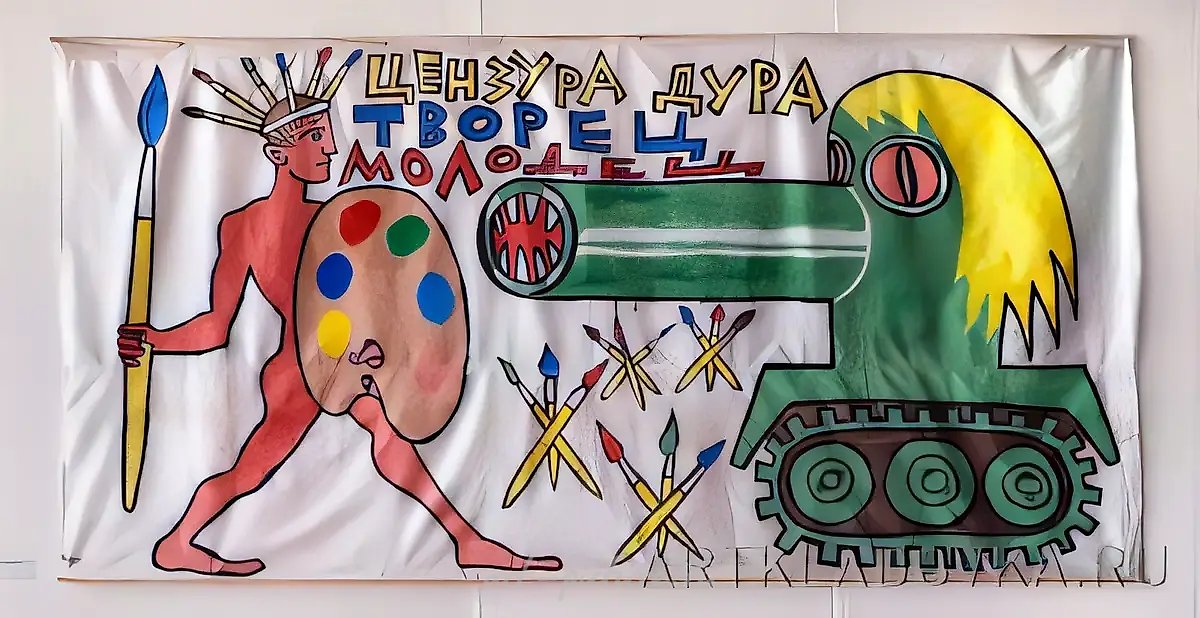
Litichevsky is a typical representative of the art and social movement 'New Wave', which in the 1980s aimed to activate 'informal' languages in the nascent civil society. In visual art, this meant freeing thought and imagination from state and commercial art clichés and even from avant-garde museum styles, and rejecting expressive egotism in favor of an impersonal role as gatherer and codifier of a collective language for the new society. As with much 20th-century avant-garde, the alternative was found in teenage doodles, graffiti, and home-grown illustrations. Litichevsky transfers these 'street' and 'low' culture forms onto his canvases, appreciating their liveliness and timely character over sophistication. His art is about and for modern society, without artist's arrogance or pandering to the crowd, but full of joy in speaking a language shared with his contemporaries. Though an avant-gardist, Litichevsky is not a rebel or iconoclast, but instead cultivates cooperation—not with the powerful, but with the 'common person', helping affirm their right to public speech and active communication, even in rough, 'amateur' language. (A. Erofeev, 2003)
Works 29

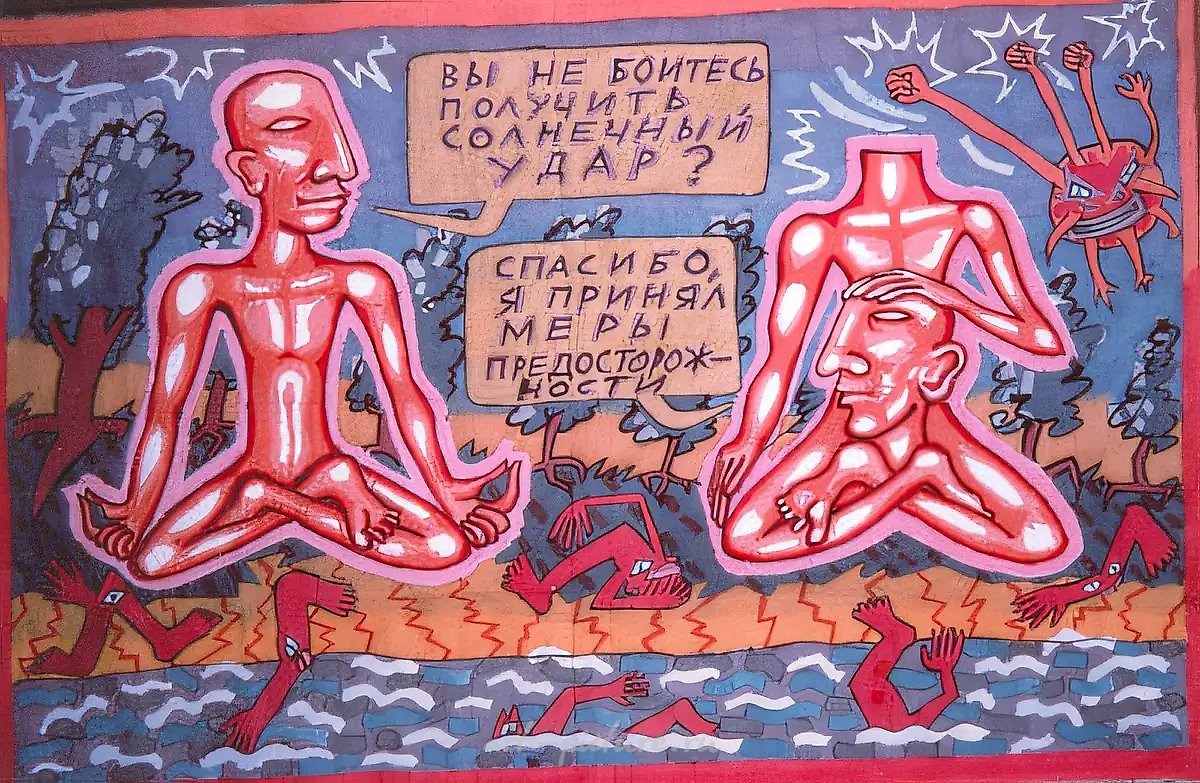

s Ghost to Composer Borodin, 1988, canvas, oil, 100x150 cm. Authors property