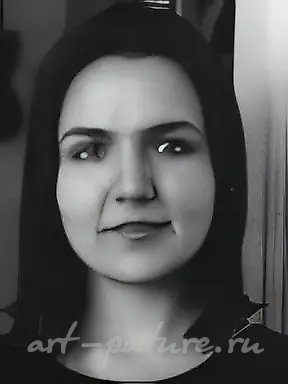
Olga Chernysheva
1962 Born in Moscow
1986 Graduated from the All-Union State Institute of Cinematography (Department of Film Art)
Since 1989 Member of the City Committee of Graphic Artists
Works in collections
Collection of Contemporary Art of the State Museum-Reserve Tsaritsyno, Moscow
Ministry of Culture of the Russian Federation, Moscow
State Russian Museum, St. Petersburg
Duke University Museum of Art, Durham, USA
Library of MoMA, New York, USA
Private collections in Austria, Belgium, United Kingdom, Germany, Italy, Spain, Netherlands, France, Sweden
Exhibitions and auctions
Selected Solo Exhibitions:
2006 Panorama. Stella Art Gallery, Moscow
Plots. Biennale of Sydney, Sydney, Australia
2005 Zone of Happiness. Stella Art Gallery, Moscow
Plots. Moscow Multimedia Art Center, Moscow
Emerging Figures. White Space Gallery, London
2004 Zone of happiness. Heckenhauer Gallery, Berlin
Zone of Happiness. State Russian Museum, St. Petersburg
2003 Olga Chernysheva. Moscow House of Photography, Moscow
2002 "Under Paris." Krokin Gallery. Moscow.
2001 "Lifestyle." New Collection Gallery. Moscow. "Second life." Venice Biennale. Russian Pavilion (solo stand). Italy. "Portfolio." Month of Photography. Glass Art Gallery. Bratislava, Slovakia. "Le voyage souterrain." Hotel D'Albert. Mairie de Paris. Paris, France
2000 "Light is coming." XL Gallery. Moscow. "Die, Der, Das Fremde." Christine Koenig Gallery. Vienna, Austria
1999 "Drawings." Center for Contemporary Art. Soros Fund. Moscow. "Family Ties." Gallery Fine Art. Moscow
1998 "Olga Chernysheva and Andrey Khlobystin." Gallery Christine Koenig & Franziska Lettner. Vienna, Austria
1997 "Single works." Gallery Singel 74. Amsterdam, Netherlands
1996 "Ad Oculus." (with Anton Olshvang). Theater Institute. Amsterdam, Netherlands. "Since 1992 I don’t have enough space." Room. Malmo, Sweden. "More Chocolate." (with Stephen Shanabrook). L-Gallery. Moscow, Russia
1995 "About Portions." Russian Museum. St. Petersburg. Germany. Abdruecke. (with Anton Olshvang). Art 5-III Gallery Inge Herbert. Berlin, Germany. "Zeichnungen Der Moscauer Szene." Hohental & Littler Gallery. Munich, Germany
1994 "Anton Olshvang. Olga Chernysheva." Krings-Ernst Gallery, Cologne, Germany
1993 "Anton Olshvang. Olga Chernysheva." Museum of Cinema, Moscow
...
Critic
Chernysheva is sometimes accused that her 'cakes' (objects imitating masterpieces of culinary art) repeat what has already been done by Oldenburg or Kosolapov. This accusation is absurd: in the 20th century, as never before, formal similarity does not mean anything at all. The artist could have worked with this similarity, but she is clearly not interested in historical references or working with other people's art. Her unawareness currently helps rather than hinders her. She does not analyze given data (such as other people's ideas), but develops her own projects. Now, having left the confectionery theme (which made her famous), Chernysheva has fully proven that she is an artist of gesture, not of material. Since it is gesture that matters to her, she never lacks material. Any everyday inspiration can provide it—but as a rule, not art.
It is difficult to discern the rules by which she constructs her works. Their commonality lies in the gesture of animation—but not of killing, which peeks through in any reduction. Her behavioral line in art is animation (maybe, sometime, she will take up animation for real). Books acquire jackets with mittens, animals are photographed in human poses, an exhibition is held in memory of mushrooms which became dangerous to eat (unrealized due to irrelevance, since people eat them anyway), or an exhibition "around" anonymous executors of artistic works (also not yet realized). The last example demonstrates the sense of her actions: individualization of the standard. Her cakes, for all their simulacrum, were also personalized by manual labor, handcraft (distanced, "cool"). Enlarged illustrations from a cookbook (her biggest and best-known project) were ontologized by carefully intoned associations with the "days of creation", with cosmogonic creativity without exemplars or references. The greatest possible authenticity and a peculiar "truth" are intrinsic to Chernysheva’s works, even the openly imitative ones: regarding her cake-object, she would proudly say as a hostess, 'this is layered.' Indeed, it is layered, and on the other hand, it fully corresponds not only to the structure of a pastry, but also to the generic traits of painting, as it’s made in the technique of 'canvas, oil.'
The authenticity of the creative gesture is not only her tool, but rather her subject, the content of an individual myth, free of the infantilism of personal mythology. This applies to the mentioned 'cookbook' project, where confectionery craft becomes a metaphor of art. This craft is, in essence, creation from shapeless matter, chaotic dough; on the other hand, creativity is not free here, as personal invention is limited by the 'canon', the recipe, which cannot be bypassed without risking to spoil the result. Confectionery art in Chernysheva is the art 'before the freedom of creativity'; her own works are the art 'after' such freedom, dealing with a chain of reproductions and reflections. At the center of this project is a purely utopian idea of absolute creation, unattainable in both past and present, existing only in the fantasies of a confectioner obsessed with a mania of grandeur. And although Chernysheva is by no means such a confectioner, she does not revel in the impossibility of creation, nor in a masochistic realization of the insignificance of her art, nor in contemplating the loss of aesthetic power.
Her search for 'other' creativity could be linked with feminist discourse. Here I would note just one thing: despite the fact that her thinking is never explicit in any project and she always operates with a closed wholeness of a project, hiding its keys within itself (and not with the exposed fragmentariness of a single piece), despite a fundamental non-use of the verbal code, her art in no way reproduces the mythical model of 'female', pre-textual handcrafted creativity. Her works are not only 'after creativity', but also 'after text.'
E. Degot. "Olga Chernysheva".- Segodnya, 1993, September 11
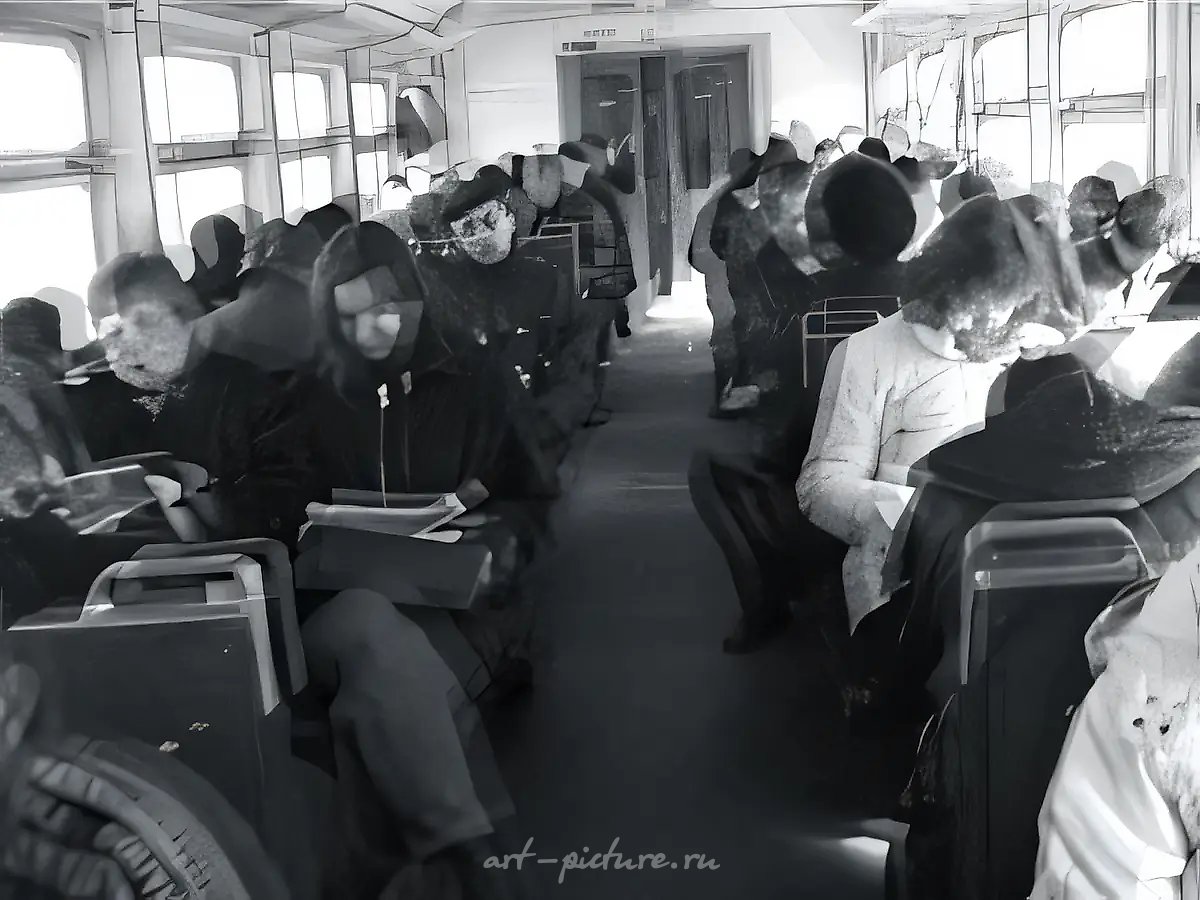
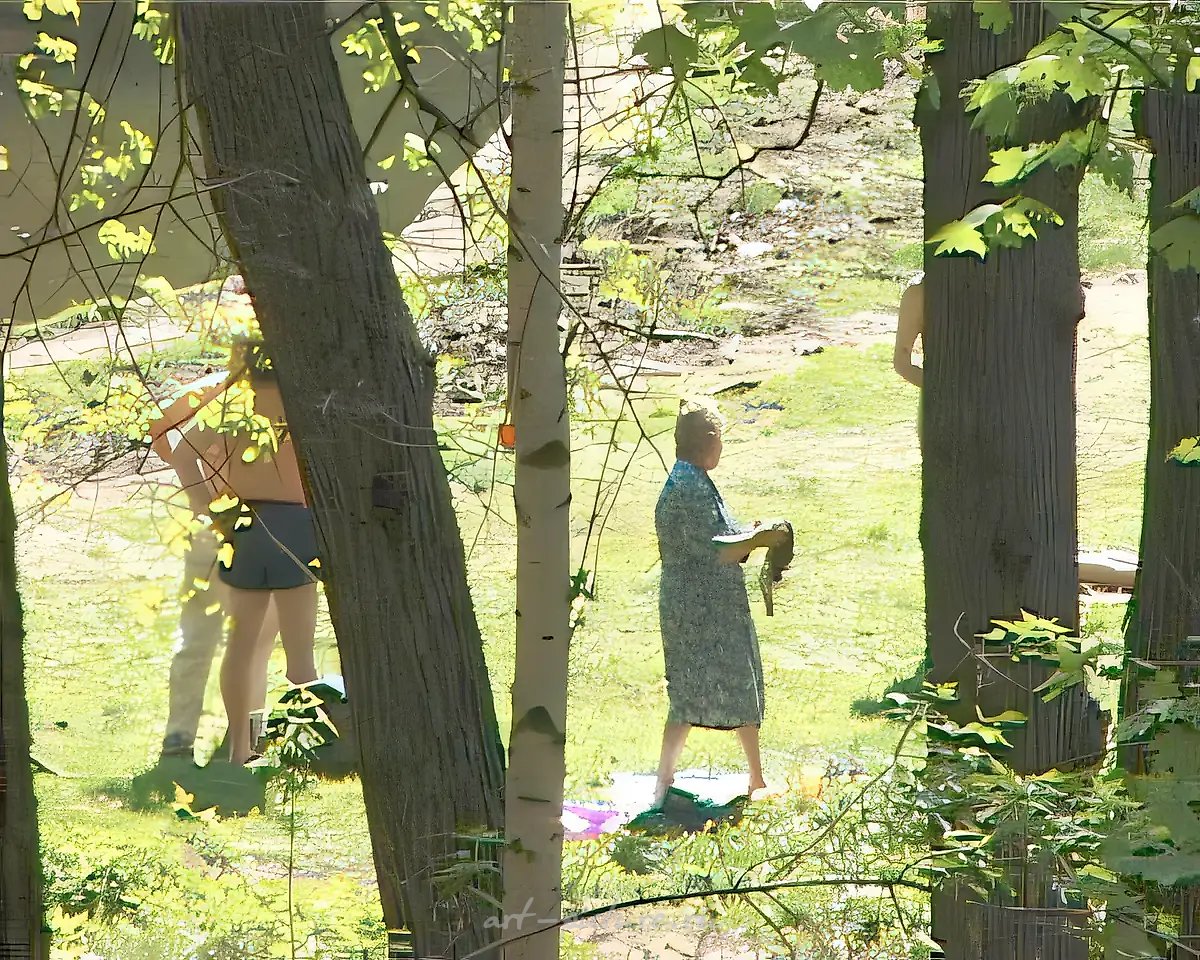
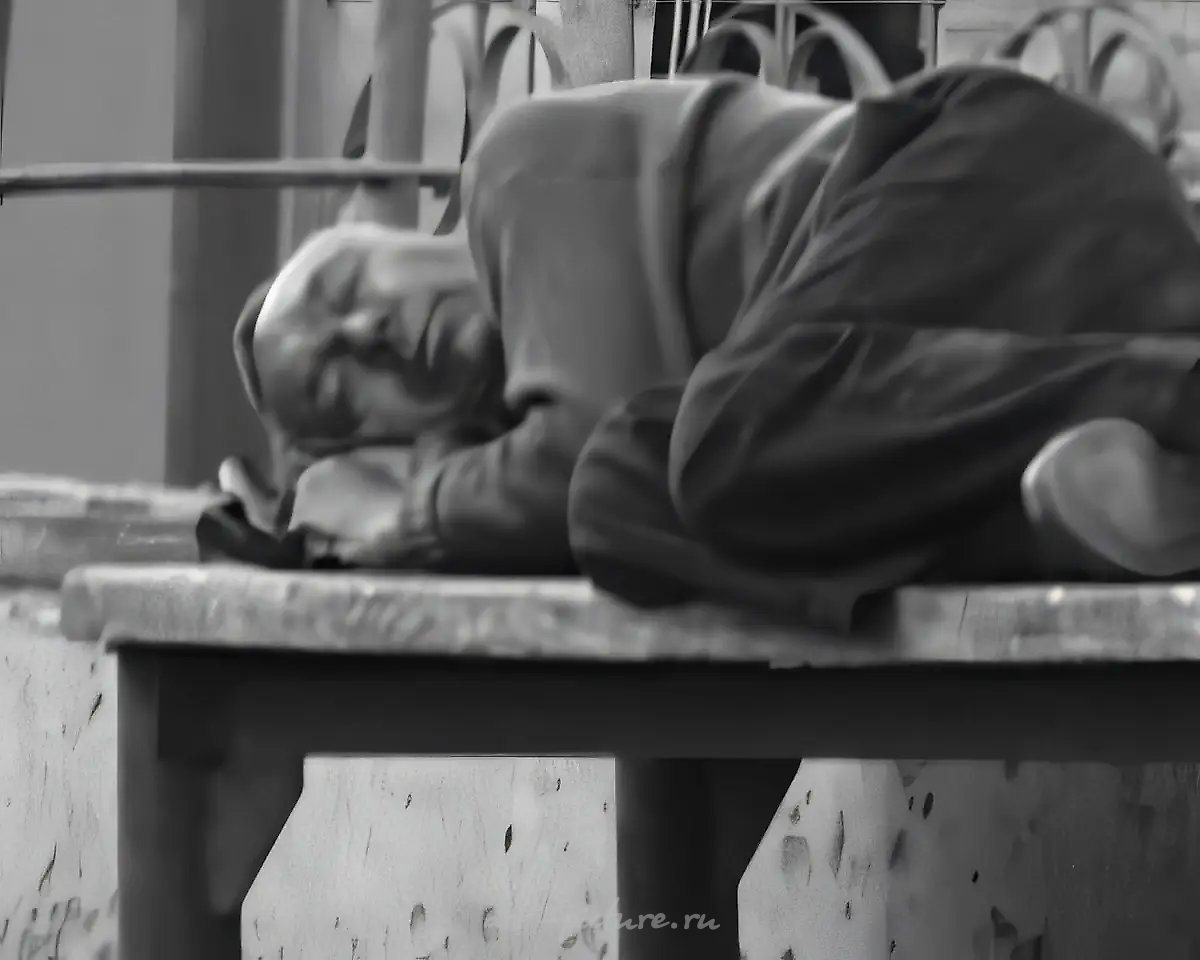
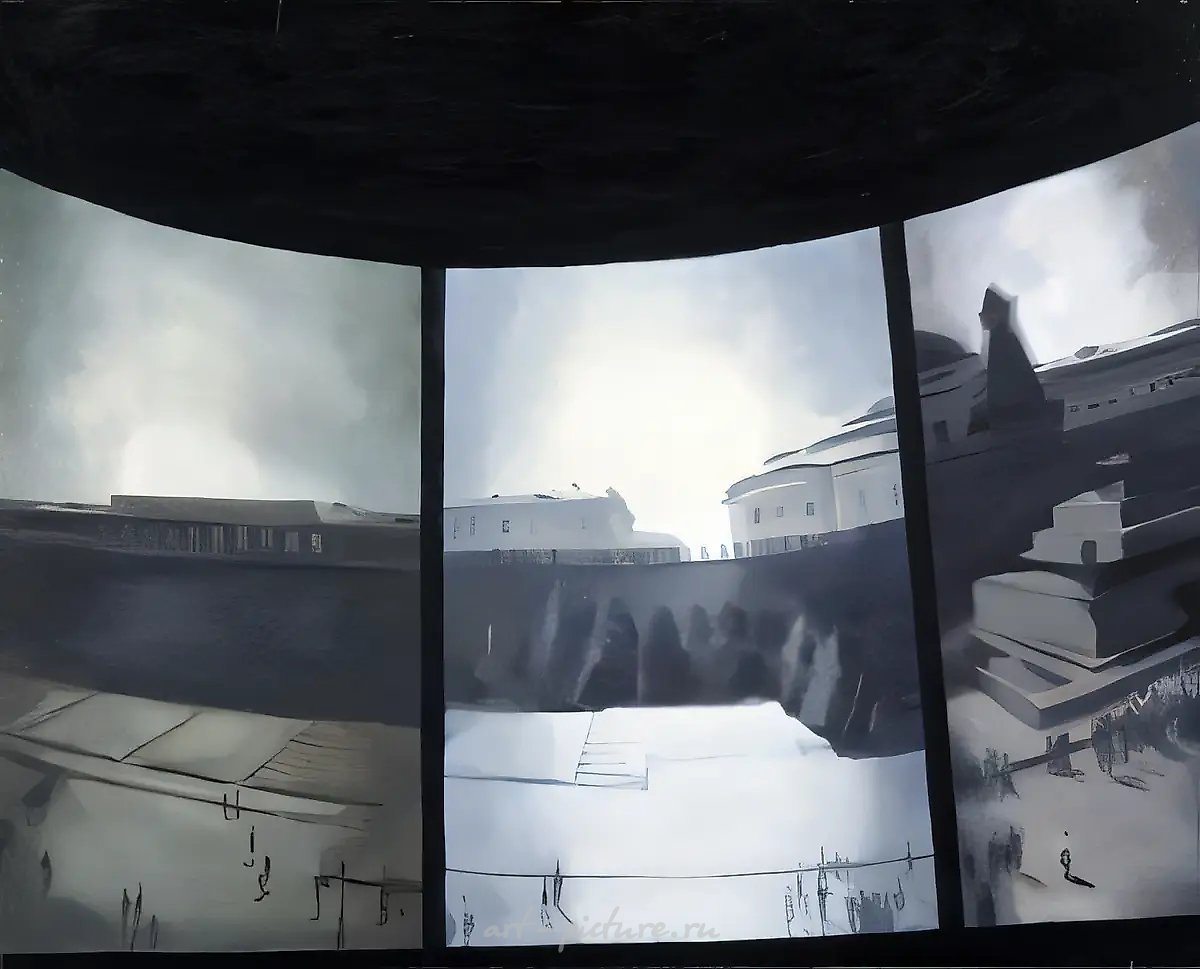
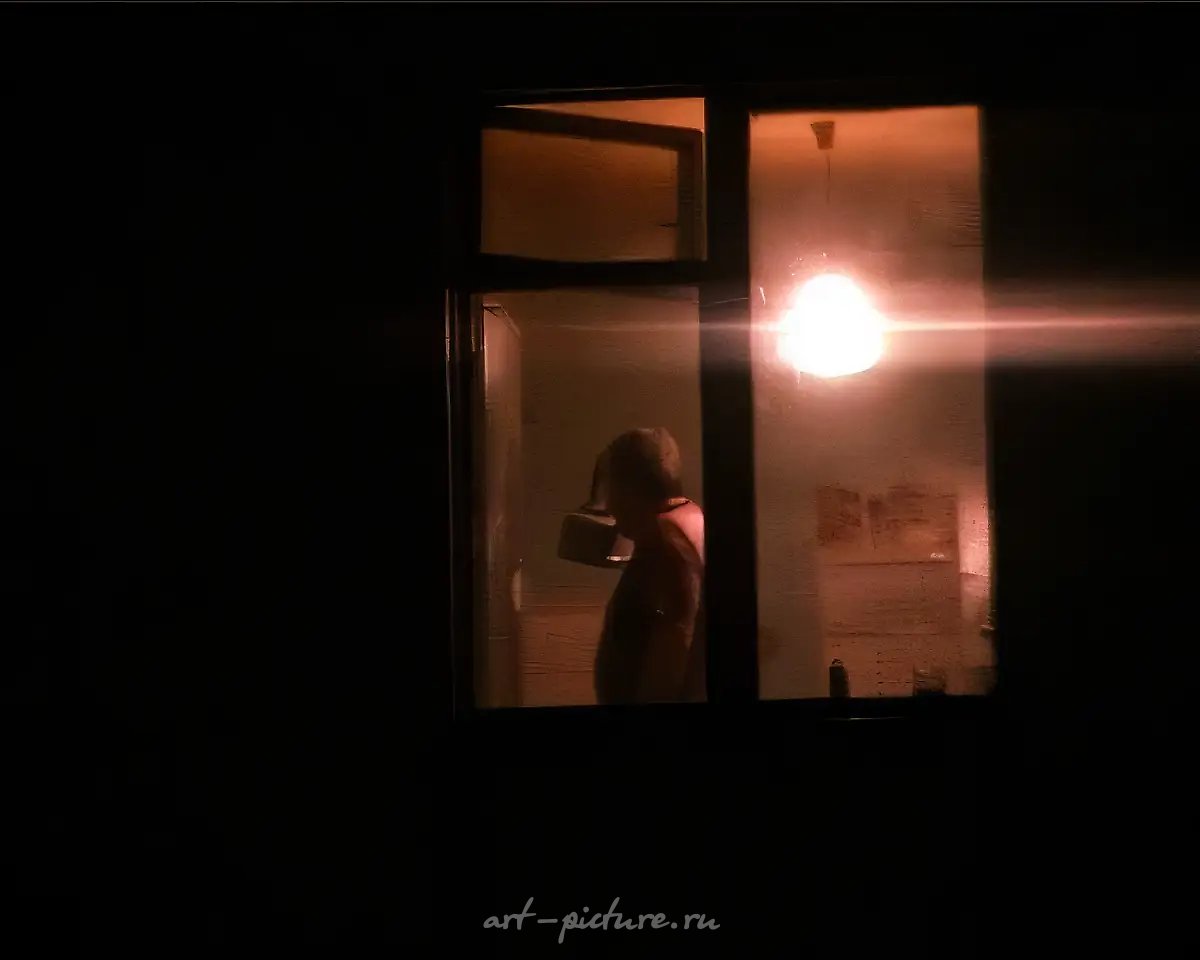
Olga Chernysheva does not limit herself only to painting practices, she works successfully with photography, video, and makes installations. She is the most 'Western' artist on the Moscow art scene. Western both in the scope of problems that concern her and in her method of interpreting phenomena. Her work easily fits into the feminist discourse. Somewhat detached, with almost Buddhist calm, she explores reality in its most everyday flow, with the only amendment being that her 'unclouded' gaze singles out those realities from daily life that are closest to female perception. Mother-daughter relationships, problems of memory, metaphorical associations are the focus of her attention. The transformation of the everyday into the metaphorical, with slight irony and unconditional admiration, is captured by her photo and video camera, brush, and pencil. The primary source of one of the most spectacular painting series of the mid-1990s was a 'Cookbook'—a manual for housewives of the Stalin era. However, the absurdity of the material, which the 'photographic enlargement' method revealed, appears on Chernysheva’s canvases as a metaphor for the creation of new life. Hands kneading dough are associated with the seven days of creation that gave life to the Earth. She is far from analyzing society—she rather records it, far from delving into the depths of self-reflection—she only slightly alludes, does not press, does not give strict assessments.
Olga Chernysheva, with all her various interests, is always brilliantly positive. Philosophical detachment, a propensity more for observation than analysis, the gentle tonality of her interpretations allow to relate her art more to the Western, or more precisely, European, context of contemporary art, rather than to the strict, sometimes dramatic and analytical by nature Moscow art practices. It is not surprising that Chernysheva lived for quite a long time in the Netherlands, where her work was in demand and accepted with great success.
Elena Selina
'Olga Chernysheva is an artist of a long gaze, gliding through our amorphous space and suddenly freezing on distinct objects emerging within it. Under this gaze, the objects begin to speak. Their speech is silent, but significant. It absorbs the gaze and tears its continuity into pieces, which turn into pieces of art. Thus, the works, while being only fragments of general life, accumulate in themselves the aura of total space. This is what makes them, despite their utmost ordinariness, out of this world. The best photographic series and video films by Olga Chernysheva are precisely about this—about the peculiar strangeness of the everyday, about portions of light bestowed by people and things upon images.'
Vladimir Levashov 2006
Works 22

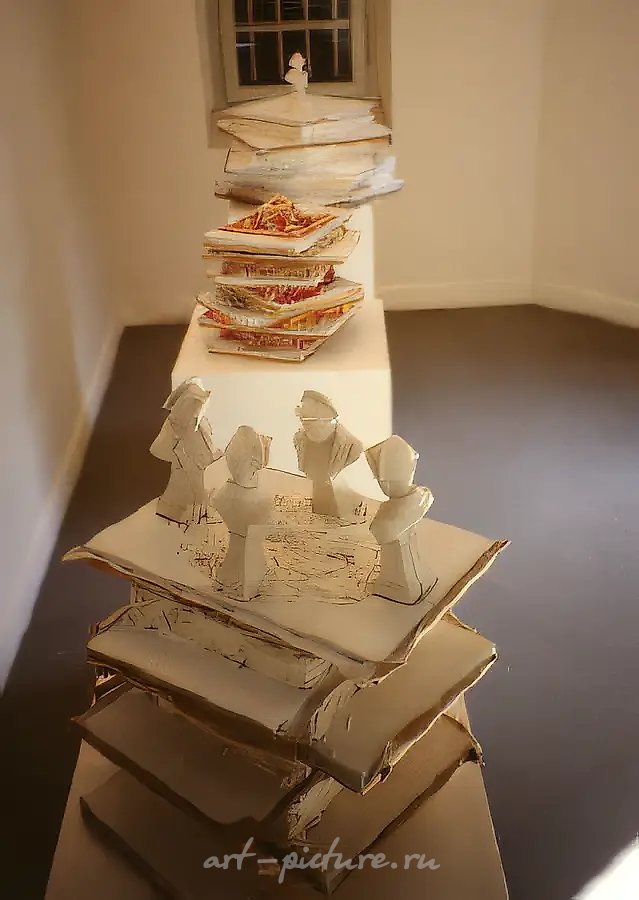
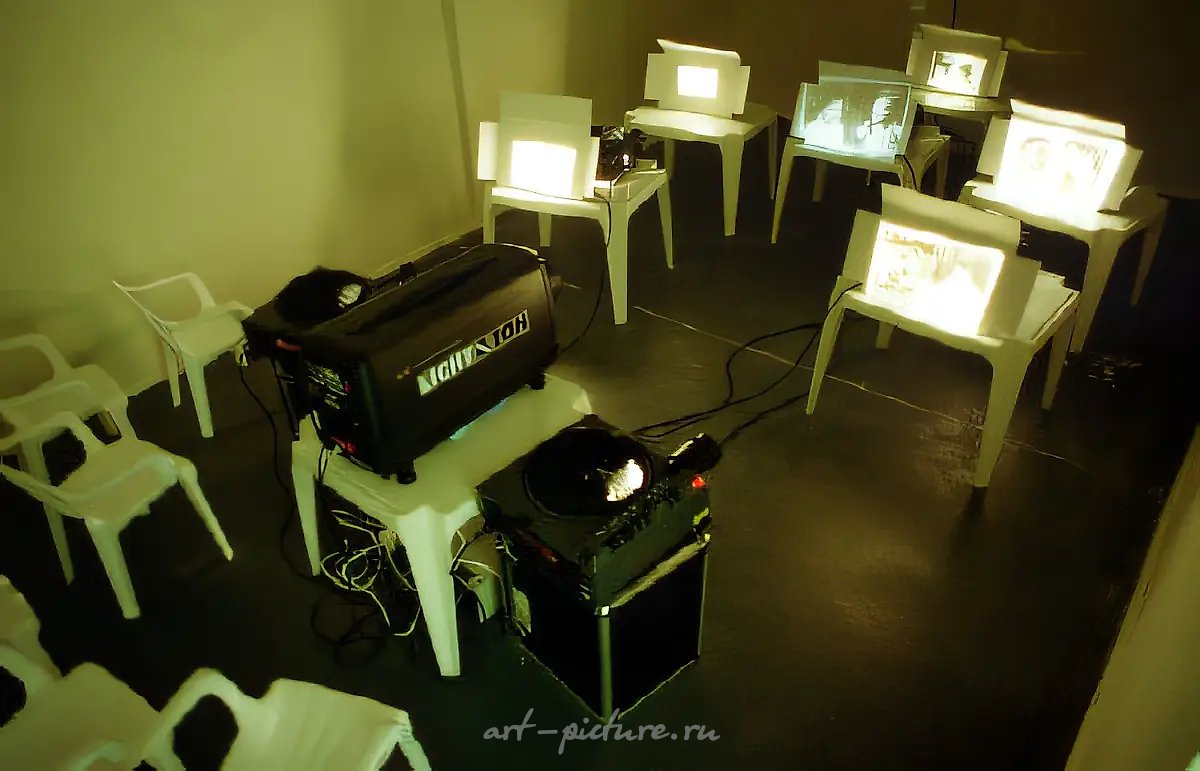
s furniture. Authors property