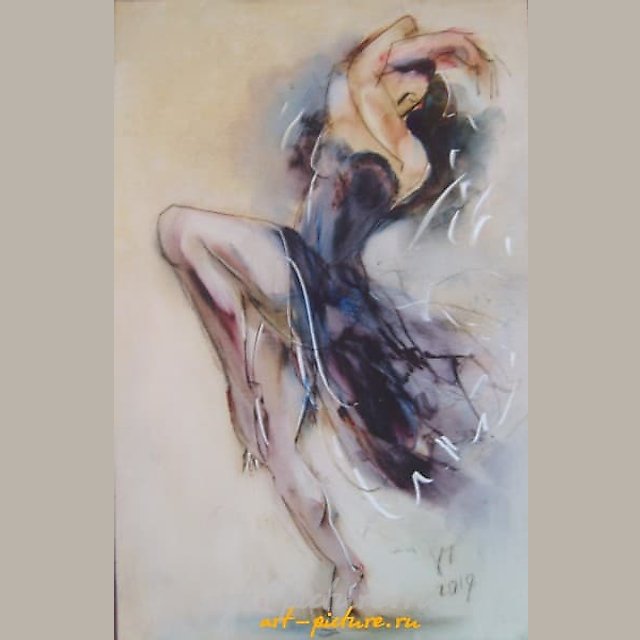

Description
Artist Vladislav Provotorov.
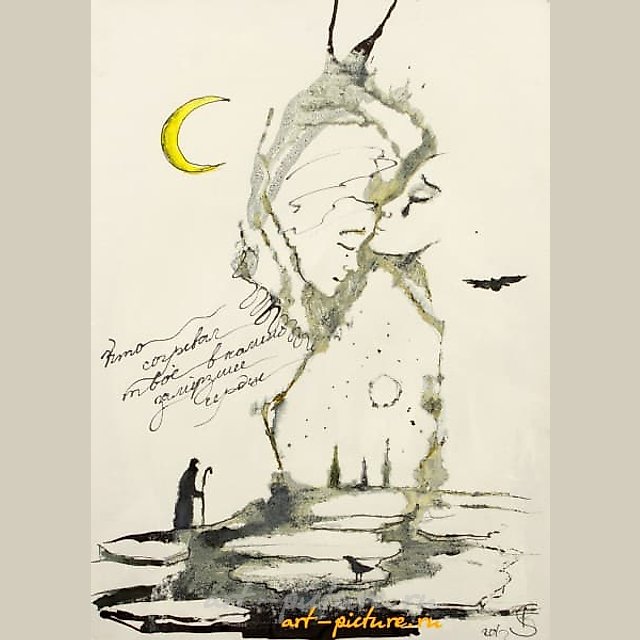
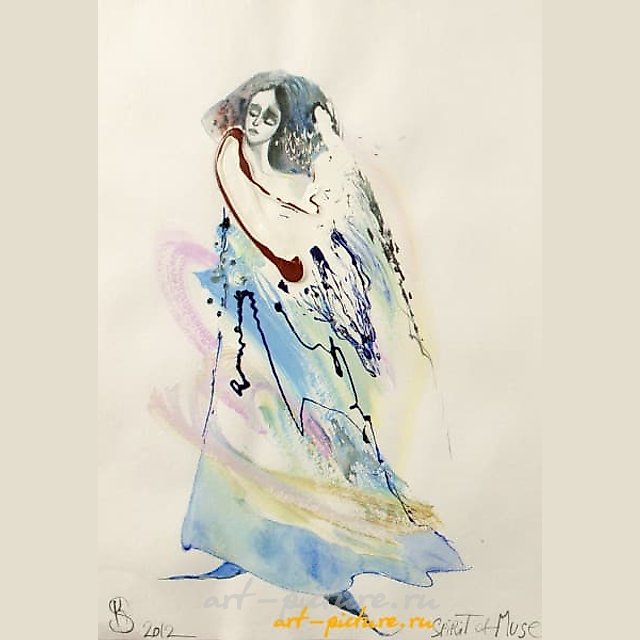
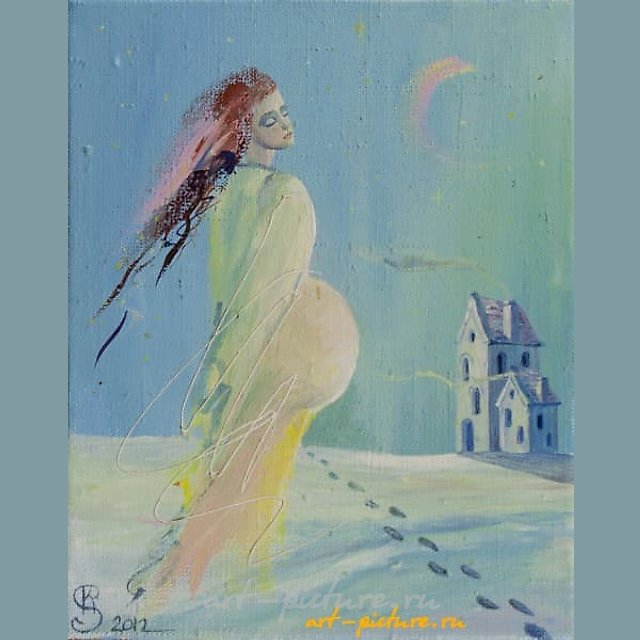
His works have their roots in the art of the Northern Renaissance and, adopting ideas from Salvador Dalí, Bosch, Dürer and Bruegel, pass through a peculiar prism of surrealism and fantastic realism.
From 1977 to 1991 Provotorov often exhibited his works in the exhibition hall on Malaya Gruzinskaya, which was a focal point for nonconformist artists, and in the "House of Vysotsky." His paintings also took part in vernissages at the M'Ars gallery in the early 1990s. Many works were sold abroad at that time, in particular to Finland and the USA.
As one of the best-known members of the "Group of Twenty Moscow Artists," he was greatly influenced by Vitaly Linitsky; his acquaintance and friendship with Linitsky gradually led Vladislav to painting that "carries a Christian worldview."
In 1981 he became a parishioner of the Nikolo-Kuznetsky Church. From that time, according to Provotorov, he began actively to "move toward Orthodox creative work," which was reflected in his art.
Oleg Torchinsky wrote of the artist: "Provotorov's paintings are difficult and unpleasant to look at. But who said that art should only please the eye and stroke the viewer's head? Provotorov's 'The Four Horsemen of the Apocalypse' is a reminder of the nuclear-chemical catastrophe looming over each of us. His 'The Kiss of Judas,' 'Ship of Fools,' the cycle 'The Land of Puppets,' and the cycle 'The Seven Deadly Sins' force not only a recoil from horror but also reflection. That is why, angry and resisting, we return again and again to this artist's paintings, overcoming ourselves, peering into the details, plunging into the sinister depths created by his imagination — a world of evil where there is no sunlight, no flowers and trees, no blue sky, only darkness lit by a crimson flame, cries and the gnashing of teeth."
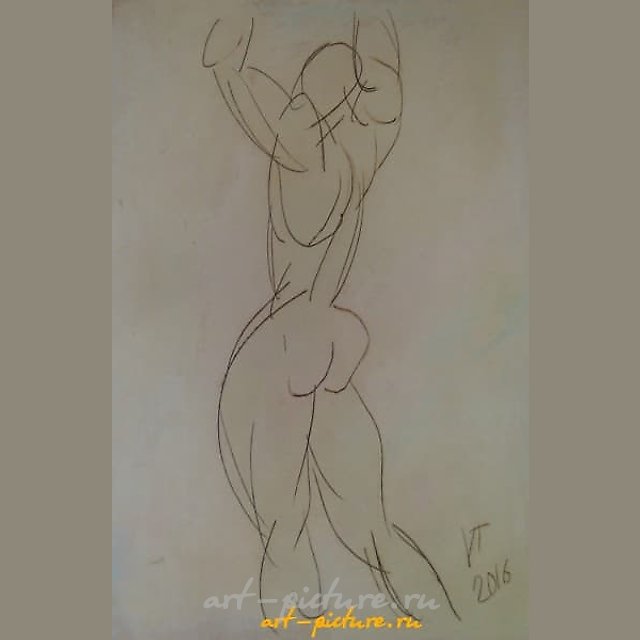
The graphic works are sketches for Provotorov's major painted canvases, which were acquired by foreign collectors in the early 1990s. Many canvases were sold abroad at that time, particularly to Finland and the USA. In the 2000s most of Provotorov's key works were returned to their homeland.
Paintings
Similar lots