
What is porcelain
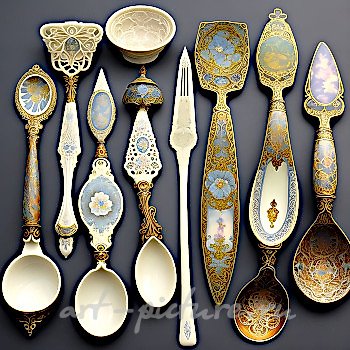
Porcelain tableware and other porcelain items have served as a symbol of wealth, sophistication and origin for centuries. Today they are more affordable, but porcelain is still considered a prestigious material for tableware and decorative items that can turn a tea party into a ceremony. However, not all porcelain is the same, and there are different types, each with its own unique characteristics and advantages.
The first and most famous type is hard porcelain. It was invented by the Chinese, who increased the strength of the material by adding special mineral additives to kaolin (white clay), such as Chinese stone and feldspar. When firing, temperatures of more than 1400 ° C are used. Hard porcelain is a heavy material with a grayish tinge, although the main color is still white. It is durable, but at the same time fragile.
The second type - bone china - is sometimes considered a variant of hard porcelain. It is obtained by adding burnt bones of cattle. The material is more durable, but at the same time thin and smooth. Bone china is snow-white and translucent, which makes it the most exquisite look for aristocratic sets and decorative items.
The third type is soft porcelain, which is sometimes called artificial porcelain. It was invented in Italy in the XVI century, adding vitreous substances to finely ground clay. Due to the lower firing temperature (up to 1350 °C), the surface remains slightly porous rather than smooth. The material has a light creamy shade and a warm, therefore cozy look. The beauty of painting on soft porcelain manifests itself more easily and naturally than on hard.
Regional characteristics of porcelain
Porcelain is one of the most refined materials used in the production of interior items and decorative products. It can have different characteristics that depend on the region where it was produced.
For example, Chinese porcelain is characterized by its fineness, strength and whiteness. Its production has been at a high level for more than a thousand years, and it is still considered one of the highest quality types of porcelain in the world. Chinese porcelain is recognizable due to its characteristic ornaments and paints, as well as glazing techniques.
European porcelain, in turn, has a wider range of colors and decorative elements. French porcelain can be colorful, luxurious and pretentious, while German porcelain can be more refined and elegant.
In addition, there are other regional characteristics of porcelain. For example, Japanese porcelain is characterized by its grace, elegance and subtlety. It usually has delicate colors and minimalistic decorative elements.
Despite the fact that the main types of porcelain are hard, bone and soft, the quality and properties of the material may also depend on the country of origin. Regional characteristics are determined by the characteristics of the clay used, additives, technological processes and production traditions.
For example, porcelain tableware made in Japan is known for its subtlety and elegance, and Chinese porcelain is famous for its antiquity and craftsmanship. French porcelain is also famous for its high strength and unique design.
Some regions specialize in certain types of products, such as vases, figurines, tea and dinner sets, which reflects the traditions and culture of this region.
In general, porcelain tableware and decorative items are not only a functional element of everyday life, but also an object of art. Their properties, quality and design depend on many factors, including material, production technology and regional traditions.
Porcelain is one of the most famous materials for creating household items and art. However, porcelain can differ not only in its functional and aesthetic characteristics, but also in regional peculiarities. In different regions of the world, porcelain is produced with unique characteristics that differ in composition, production technology, decor and style.
One of the most famous sources of porcelain is China. Chinese porcelain is known for its elegance and subtlety, as well as its snow-white color. It is made from clay containing kaolin. Chinese porcelain is known for its high quality and luxurious decor, which can be made in various styles, including traditional Chinese patterns, engravings and animal images.
European porcelain is made from various materials, including kaolin, feldspar and clay. Its production has been developing since the 18th century in Germany, France, England and other countries. European porcelain is known for its exquisite style and decor, including images of flowers, birds, animals and people, as well as abstract patterns. Porcelain from Germany, for example, often has an intricate Baroque decor, and porcelain from England can be recognized by its images of flowers and vegetation.
Also worth mentioning is Japanese porcelain, which can be made in the traditional Japanese style known as Imari, or be modern and abstract.
Each type of porcelain has its own unique features, which are important for connoisseurs and collectors. For example, soft porcelain can have brighter and richer colors than hard porcelain, which makes it more attractive for use in artistic products.
In addition, the cultural and historical significance of porcelain cannot be overestimated. Porcelain products created in different eras and in different countries are a kind of window into the culture and traditions of those times and places where they were created. Thanks to the safety of some products, we can get acquainted with the technologies used to create them, as well as with the art and design that were popular in those times.
In general, porcelain is not only a material for creating beautiful and durable objects, but also a cultural and historical heritage of mankind. Different types of porcelain have their own unique characteristics and features that are important for understanding and evaluating the history and culture of those times and places where they were created.
Related lots
 A few large Meissen wobble pagodas. 4 335 300₽
 Japanese group with birdcage 337 200₽
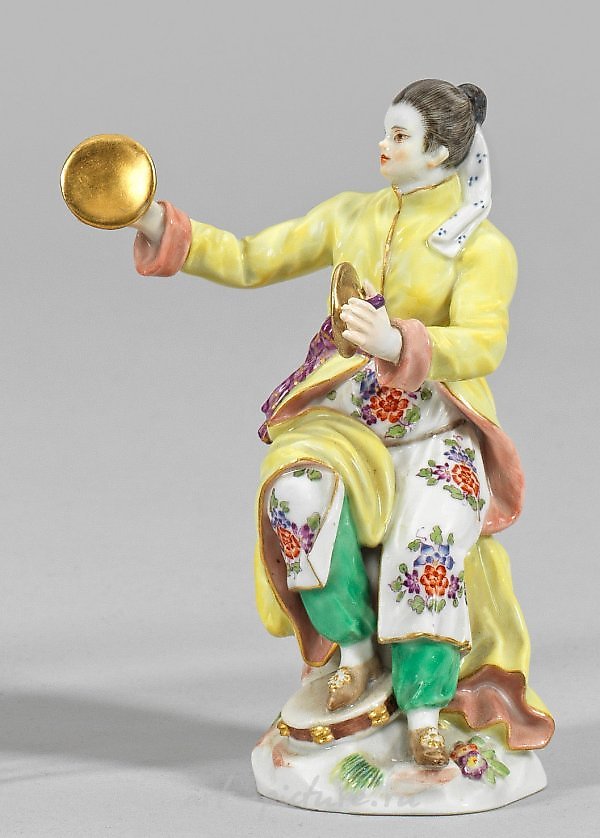 Japanese woman with trays 192 700₽
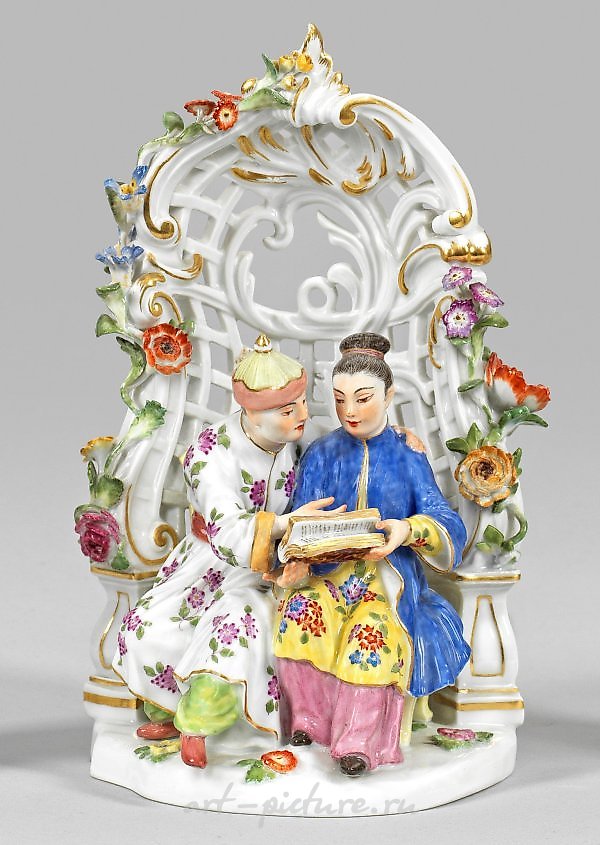 Chinese couple in a gazebo 337 200₽
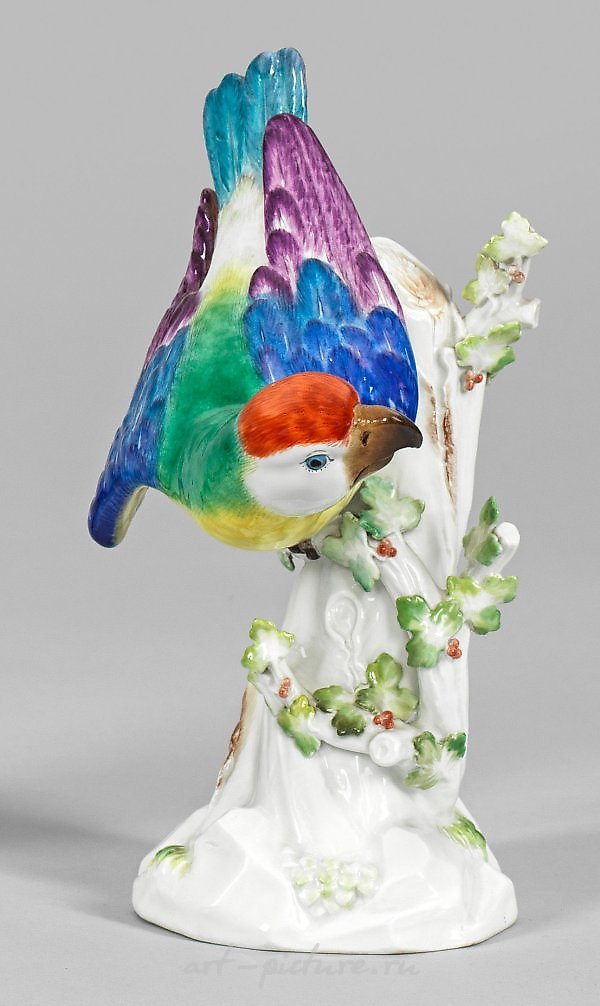 P a p a g e i i m B a u m
In this intriguing artwork, titled "P a p a g e i i m B a u m" (Parrot in the Tree), the artist invites us to contemplate the harmonious coexistence of nature and the animal kingdom. The composition captures a momen 204 800₽
P a p a g e i i m B a u m
In this intriguing artwork, titled "P a p a g e i i m B a u m" (Parrot in the Tree), the artist invites us to contemplate the harmonious coexistence of nature and the animal kingdom. The composition captures a momen 204 800₽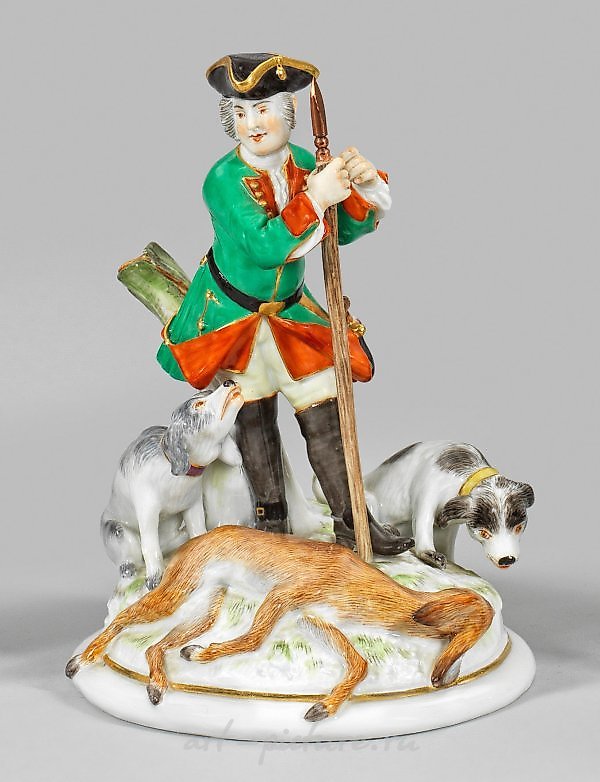 Hunter with dogs and a slain deer 337 200₽
 Hunter with Wild Boar 204 800₽
 Falkner 216 800₽
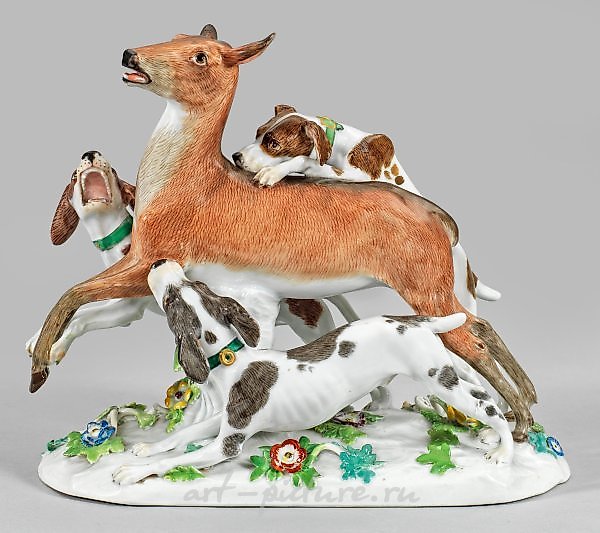 Hirschhatz (Hunting Group) 385 400₽
 Great Meissen figure of the Bittern 626 300₽
 A couple of figures by Pirols as counterparts. 337 200₽
 An advocate from the Italian comedy. 156 600₽
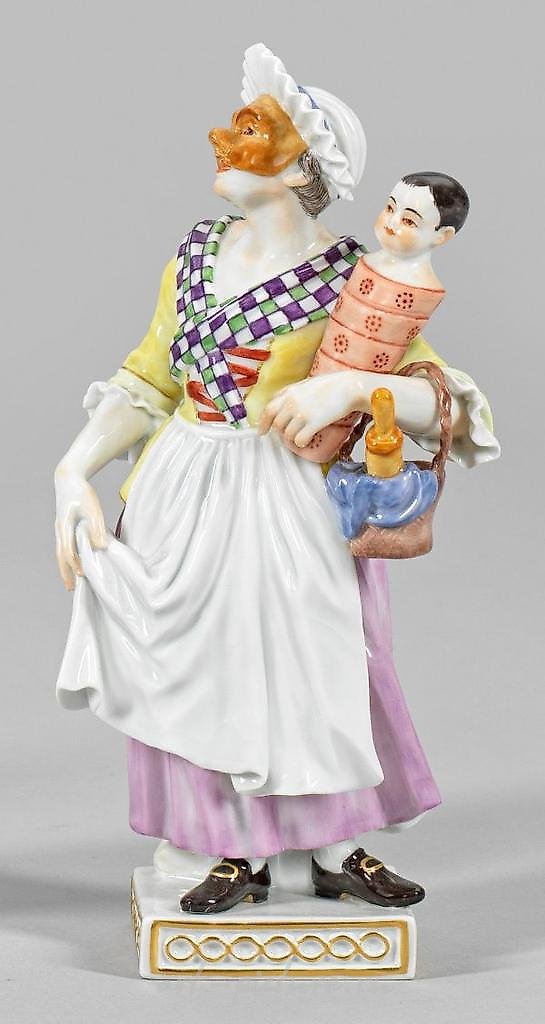 Gnaga from the Italian Comedy 156 600₽
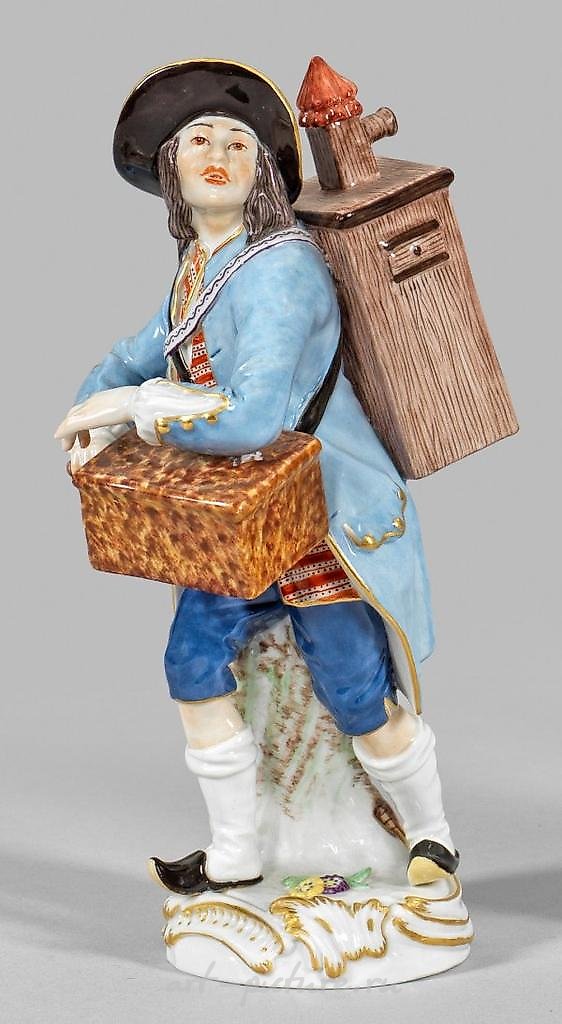 Man with Barrel Organ from the series "Cris de Paris" 108 400₽
 Dancing Columbine (Harlequin) from the Italian Comedy 132 500₽
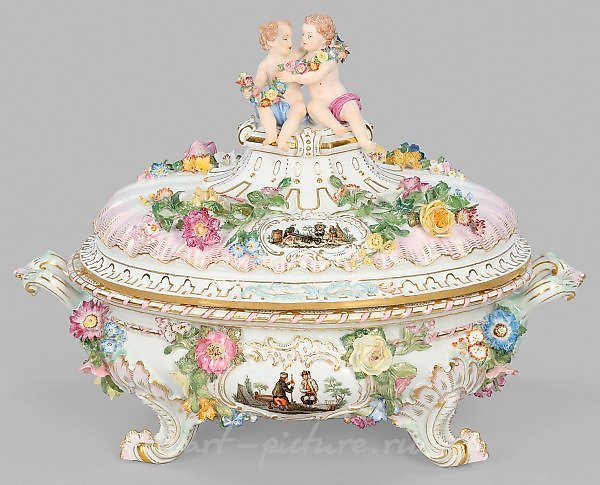 Splendid Meissen covered tureen with Bergmann's decoration. 1 565 600₽
 A couple of large figures of the Eurasian jay 867 100₽
 Amor als Held
In this captivating artwork, titled "Amor als Held" (Amor as a Hero), the artist skillfully portrays the iconic figure of Amor, also known as Cupid, in a heroic light. The composition is rich in symbolism and invites the viewer to expl 433 600₽
Amor als Held
In this captivating artwork, titled "Amor als Held" (Amor as a Hero), the artist skillfully portrays the iconic figure of Amor, also known as Cupid, in a heroic light. The composition is rich in symbolism and invites the viewer to expl 433 600₽