
Theodor Kärner and Porzellanfabrik Rosenthal A.G.
"A significant creative period in Theodor Kerner's life is associated with Porzellanfabrik Rosenthal A.G. The Royal Bavarian Secret Commercial Councilor, Doctor Philipp Rosenthal (1855 – 1937), who was a long-time friend of the sculptor Theodor Kerner, offered him a position as an external collaborator at the factory he managed in Upper Franconia. Kerner gladly accepted the offer. It is worth mentioning that Philipp Rosenthal often gave his clients a medallion with his bas-relief. The medallion was made for him by Theodor Kerner.
Königlich-bayerische – Kgl. Bayer. Kommerzienrat – Royal Bavarian Commercial Councilor. The honorary title of commercial councilor (Kommerzienrat) existed in the German Empire until 1919. It was awarded to entrepreneurs only if they made significant "contributions to the common good" (Stiftungen für das Gemeinwohl). The next rank in the "rank table" was the Secret Commercial Councilor (Geheime Kommerzienrat), which gave its holder the right to be received at court. The recipient himself, as well as his wife and children, could participate in the public life of the princely court.
The images attached show the Maria and Donatello services by F. Rosenthal.
Philipp Rosenthal was not only one of the most successful entrepreneurs of the 20th century."about a century, but also as a designer in the classical sense of the word, that is, a creative director. The "Donatello" service, created by Hans Günther Reinstein, and the "Maria" service were embodiments of his ideas.
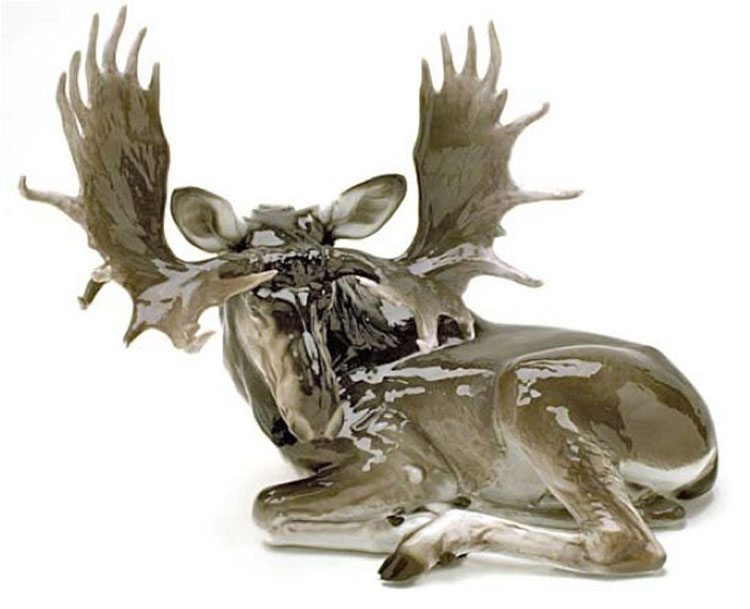
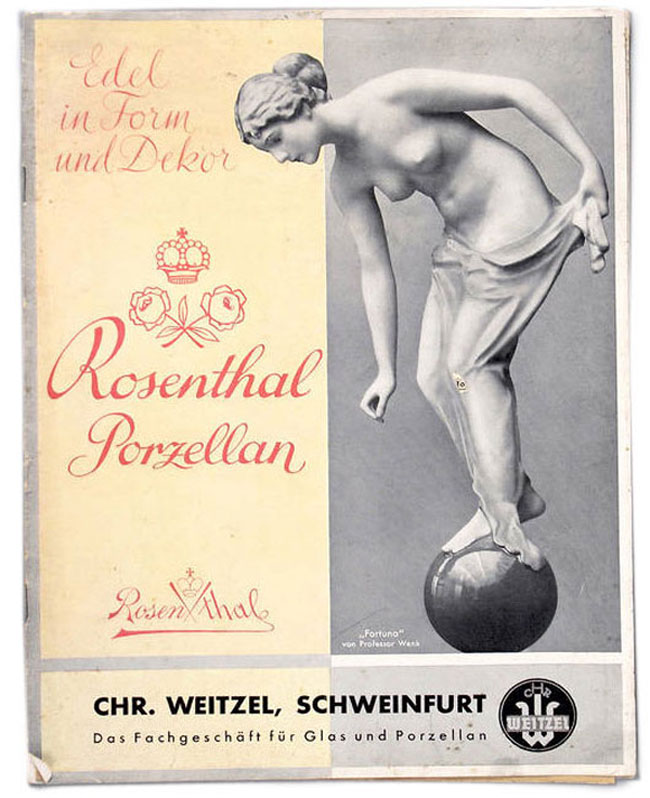
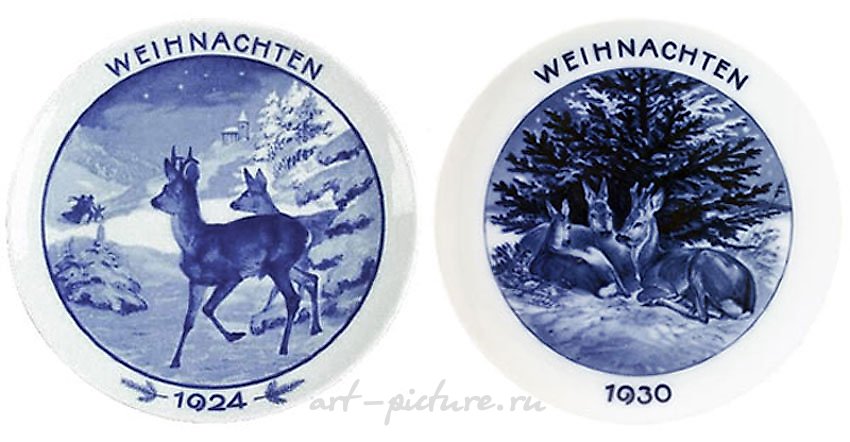
Theodor Karner was a frequent and welcome guest at the Rosenthal villa. 1922 can be considered the start of the sculptor's ongoing collaboration with the Rosenthal company. Philipp Rosenthal acquired the Selb production in 1917, which, although belonging to him, initially remained the private property of the company owner (previously Jacob Zeidler & Co., founded in 1866), but it was in 1922 that the full production of artistic and decorative porcelain began at Porzellanfabrik Rosenthal A.G., and the pieces were marked with the Kunstabteilung (art department) logo. In 1924 and 1930, two Christmas plates with Karner's drawings were released by the company. His works were published in a special catalog of the company, on the inner side of which, on an attached label, there was a note stating that the catalog was not handed to "third parties, in particular, competing firms".
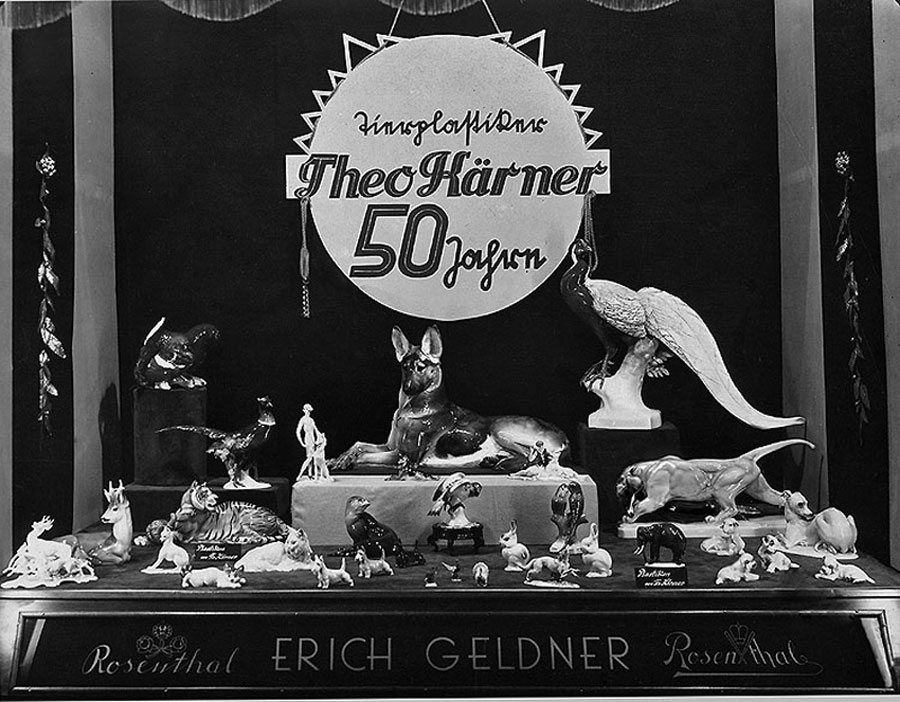
The business relationship with the factory lasted for at least 16 years, from 1918 to 1934, and during this time Theodor Karner created 43 models. In 1934, the artist celebrated his 50th birthday. His love and respect can be judged by the specially decorated showcase of the Rosenthal store in Munich.
The fact that art and politics are closely interconnected is no secret to anyone. But it was particularly evident in the artistic works of the 1930s and 1940s. Political orders affected all aspects of life, and this is especially noticeable in the examples of Russia and Germany. Theater, cinema, applied arts, music, painting, sculpture – all forms of art served one purpose and one idea: global revolution on one hand, and the national-socialist idea on the other.
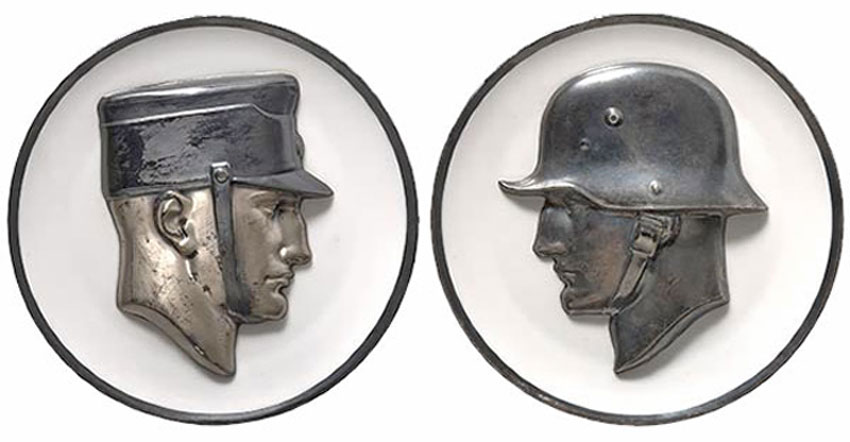
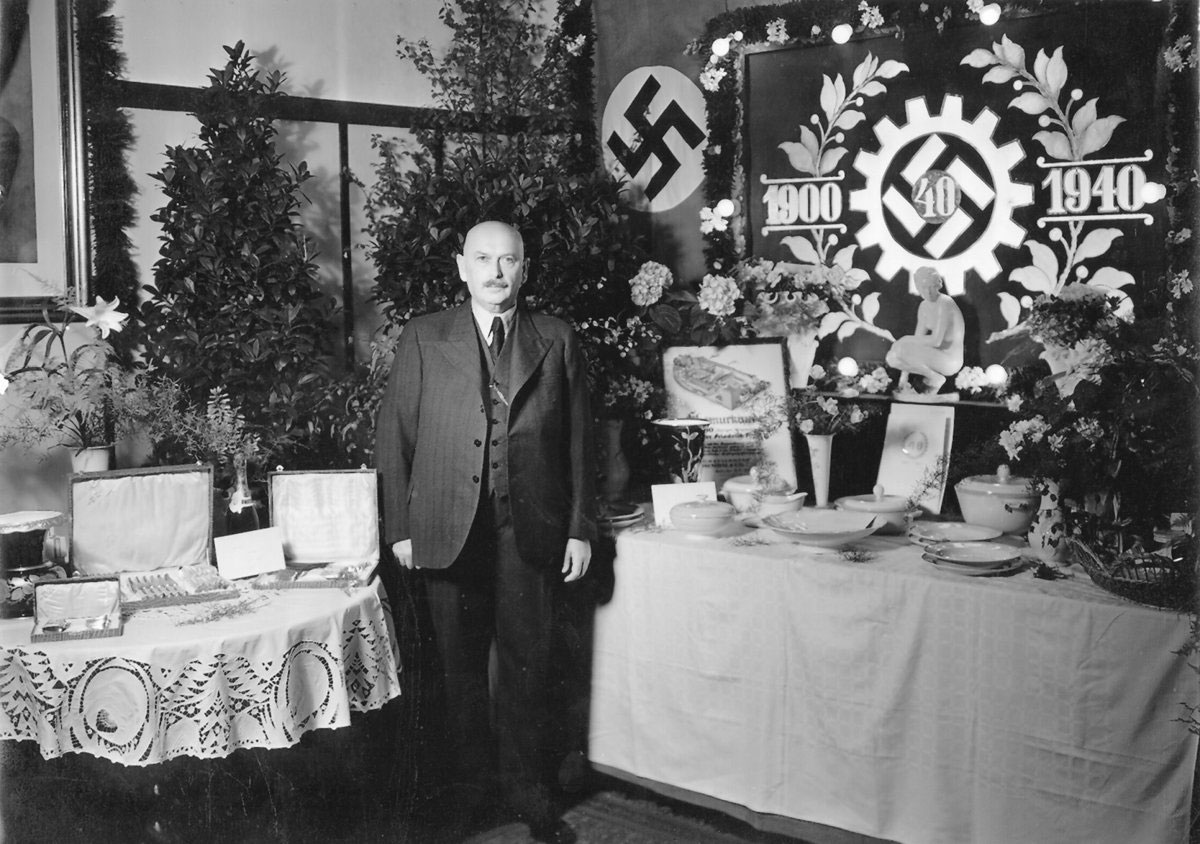
In 1934, Philipp Rosenthal was forced to emigrate from Germany. Theodor Kerner was not willing to continue working at the factory under the new management system that was created as part of the so-called "Ariization" policy - the policy of excluding Jews from the country's economic life. His departure from the factory was likely not politically motivated, but rather could have been due to changing financial conditions and the new management's methods of working with regular and freelance artists. The next, and perhaps the most difficult and significant stage of his life, was his work at the newly established porcelain factory in the suburb of Munich, Allach...
But that's a topic for a new chapter.
Related lots
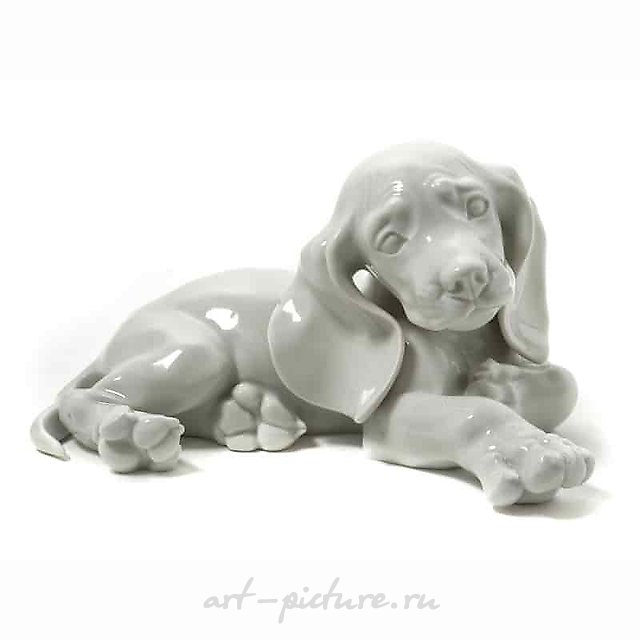 Rare porcelain figurine "Dachshund," Allach. 495 000₽
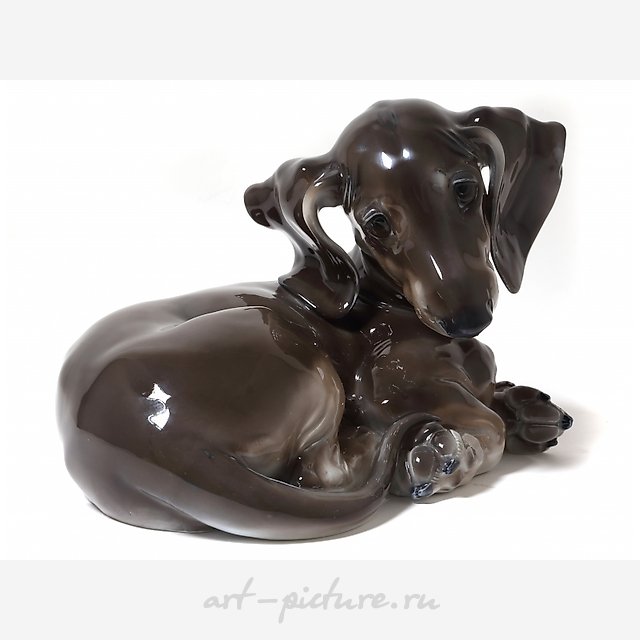 Porcelain figure Rosenthal (figurine) "Dachshund" 90 000₽
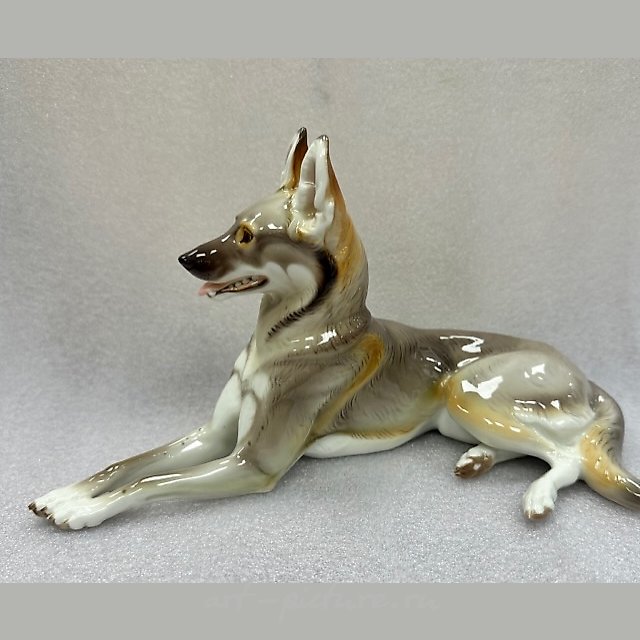 Porcelain figure "German Shepherd." Nymphenburg 82 000₽
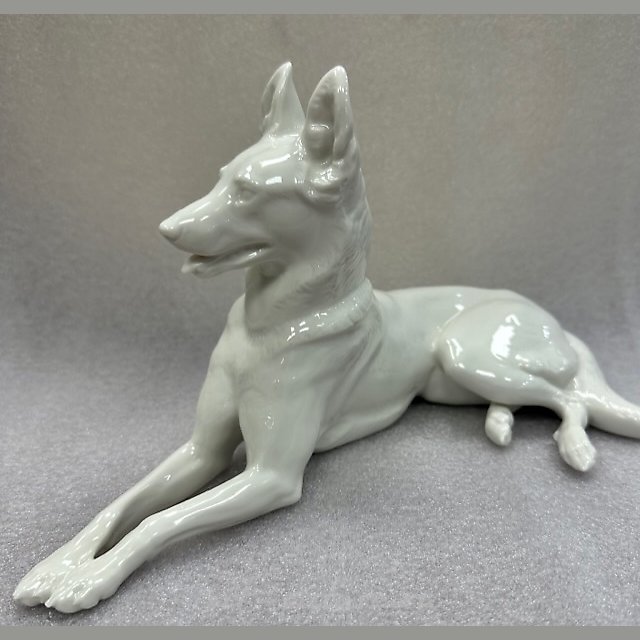 The porcelain figure (statuette) "German Shepherd," Nymphenburg 80 000₽
 Porcelain figure "Scottish Terrier". Rosenthal Theodor Karner 48 000₽
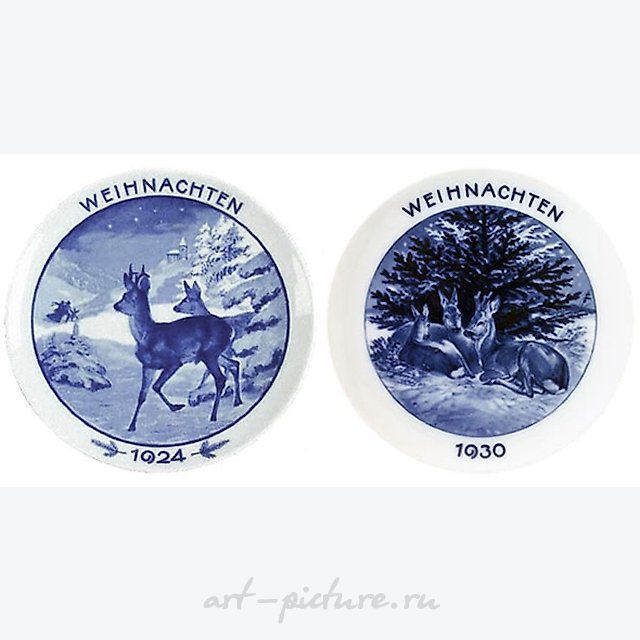 Theodor Kerner. Christmas Wall Plate. 1924, 1930. 43 000₽
 The translation of the text into English is:
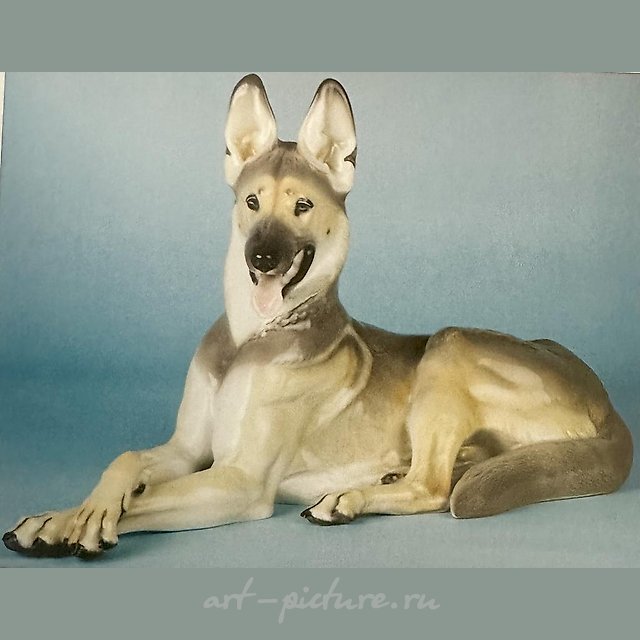
"Pharaoh Shepherd Gross Schäferhund / Large German Shepherd Model No. 76 Allach Theodor Kärner." 850 000₽
The translation of the text into English is:
"Pharaoh Shepherd Gross Schäferhund / Large German Shepherd Model No. 76 Allach Theodor Kärner." 850 000₽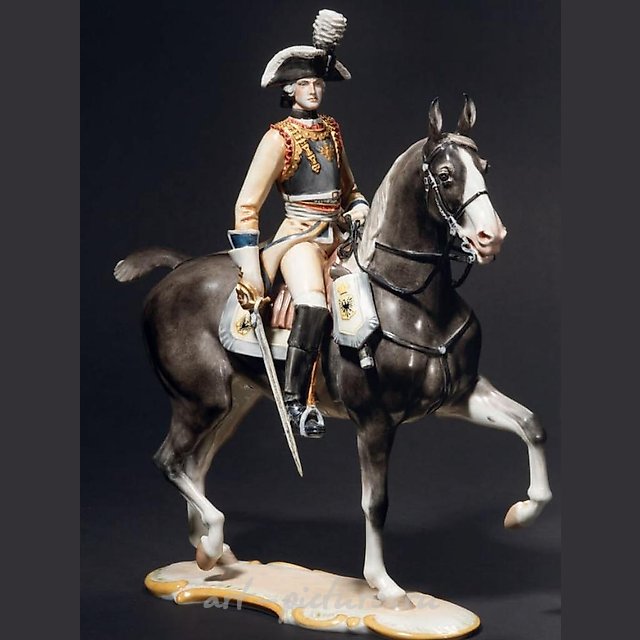 Theodor Körner, the cuirassier Seidlitz, painted in color. 2 800 000₽
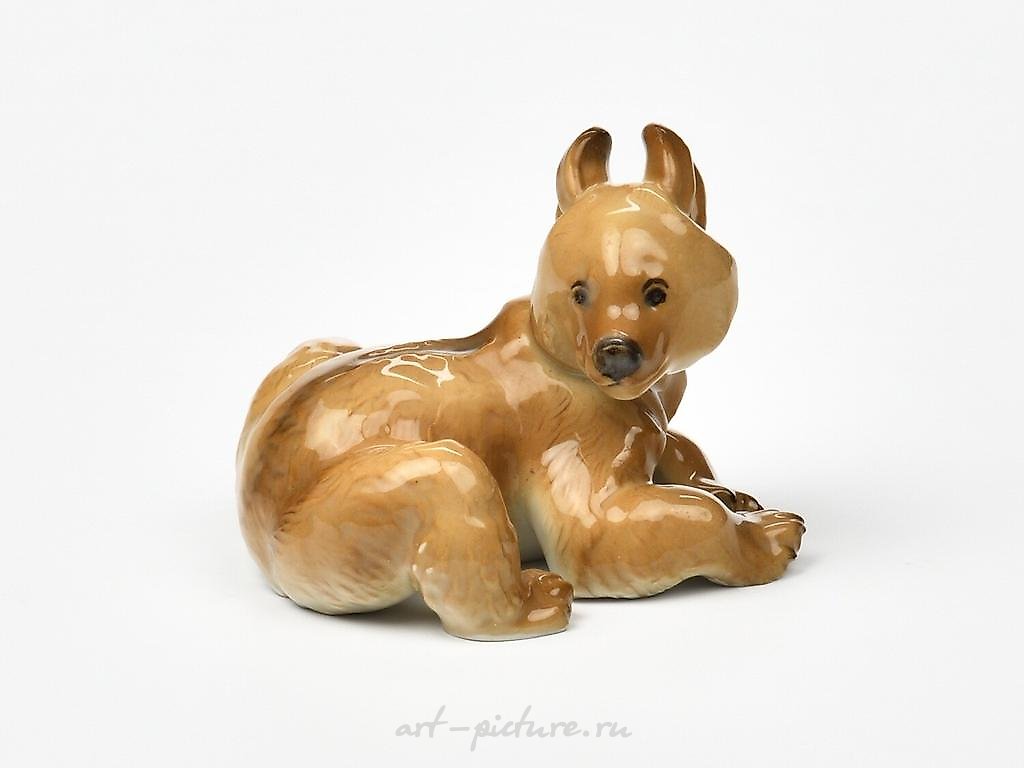 The figurine "Reclining Bear" Allach No. 8 Germany 158 000₽
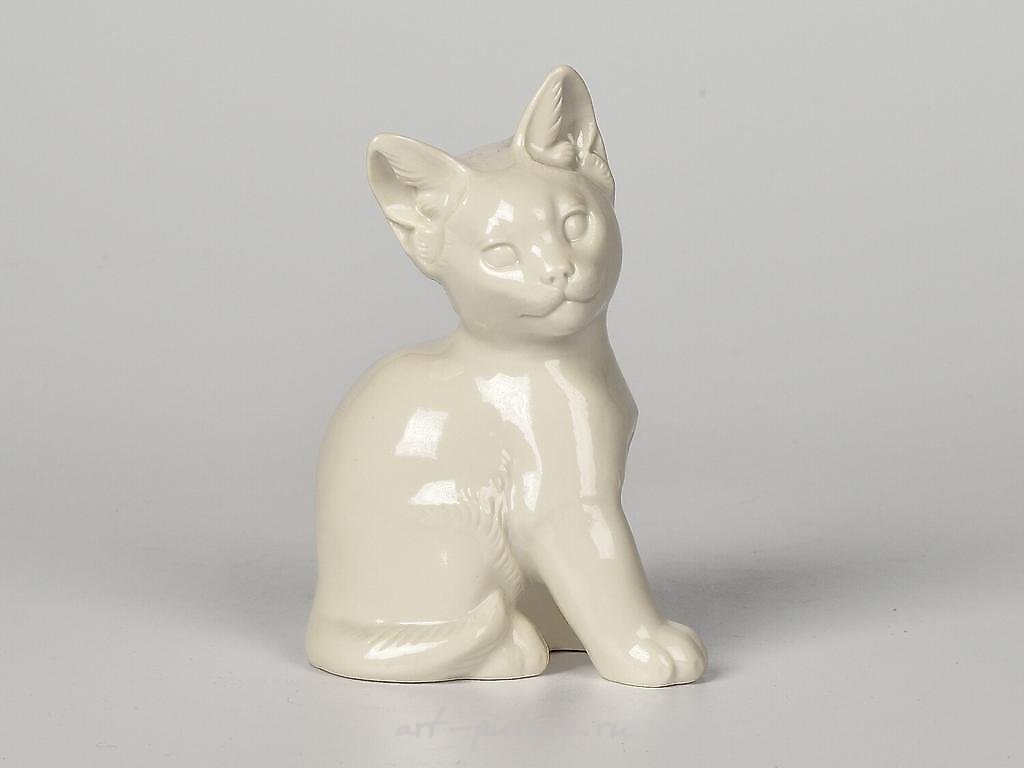 The figurine "Kitten" Eschenbach Germany 1947-1953 year 30 100₽
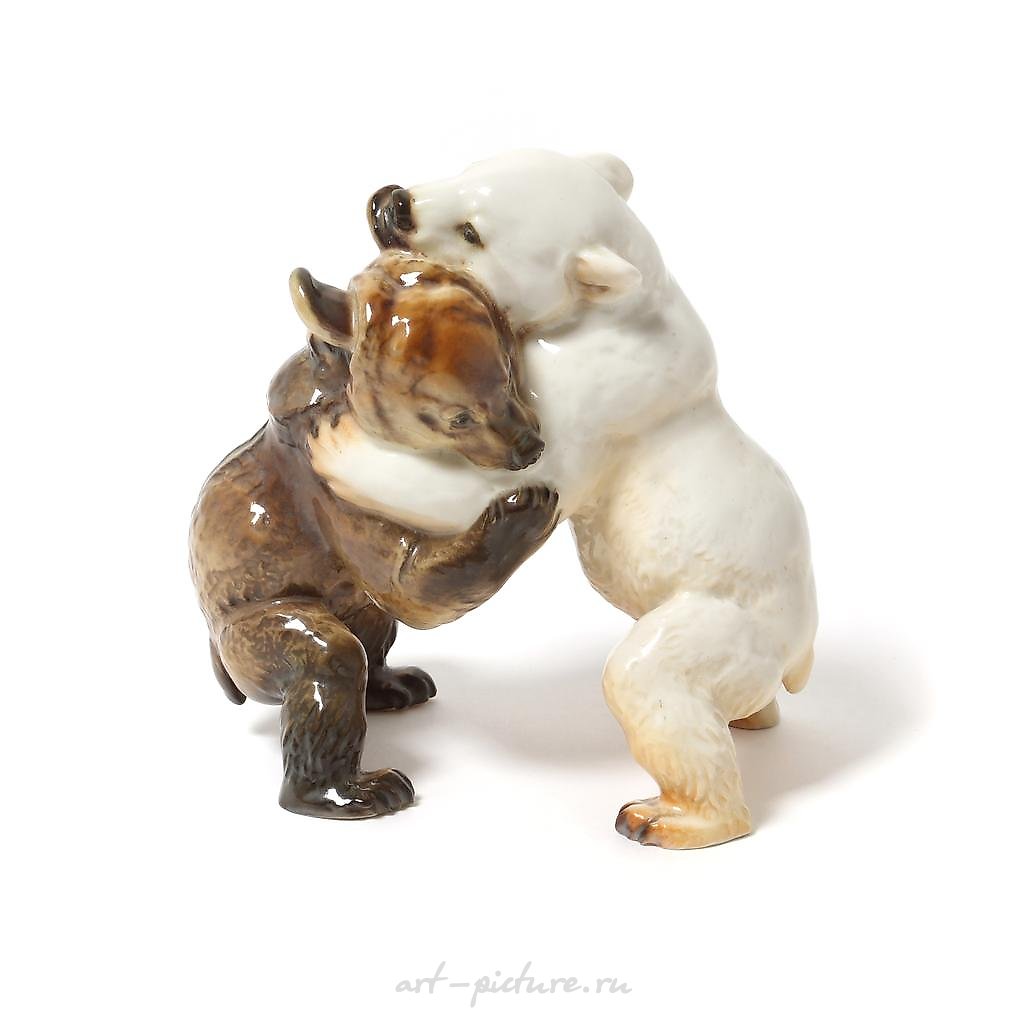 The translation of the text is: "Figure 'Little Bears'. Porcelain Manufactory Allach." 184 000₽
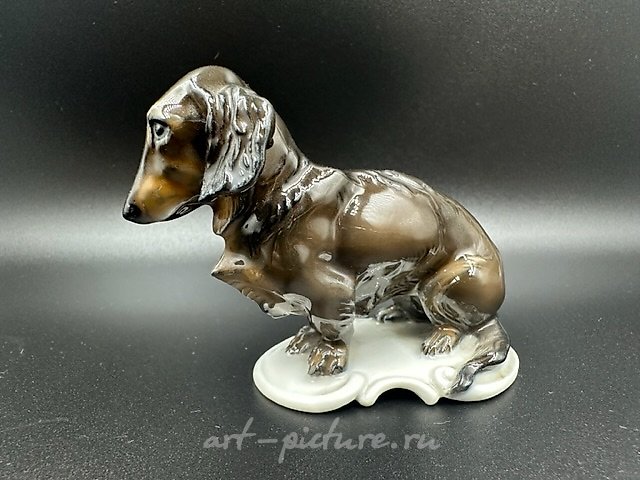 Porcelain figurine of a dachshund. Germany. Rosenthal. 42 000₽
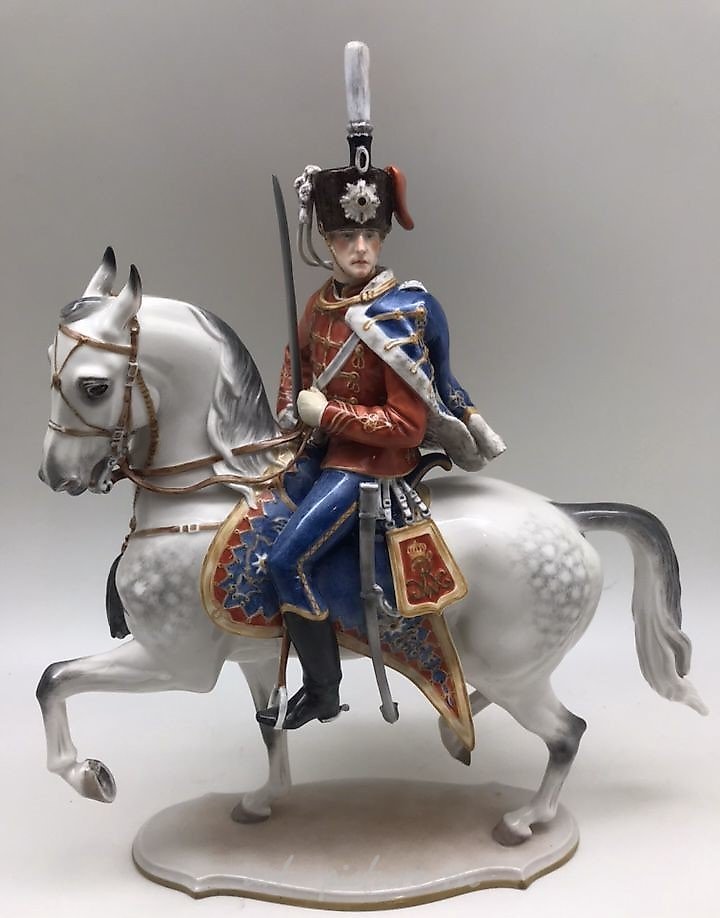 "Leib Garde Hussar" No.93 Theodor Kärner, Allach 1 900 000₽
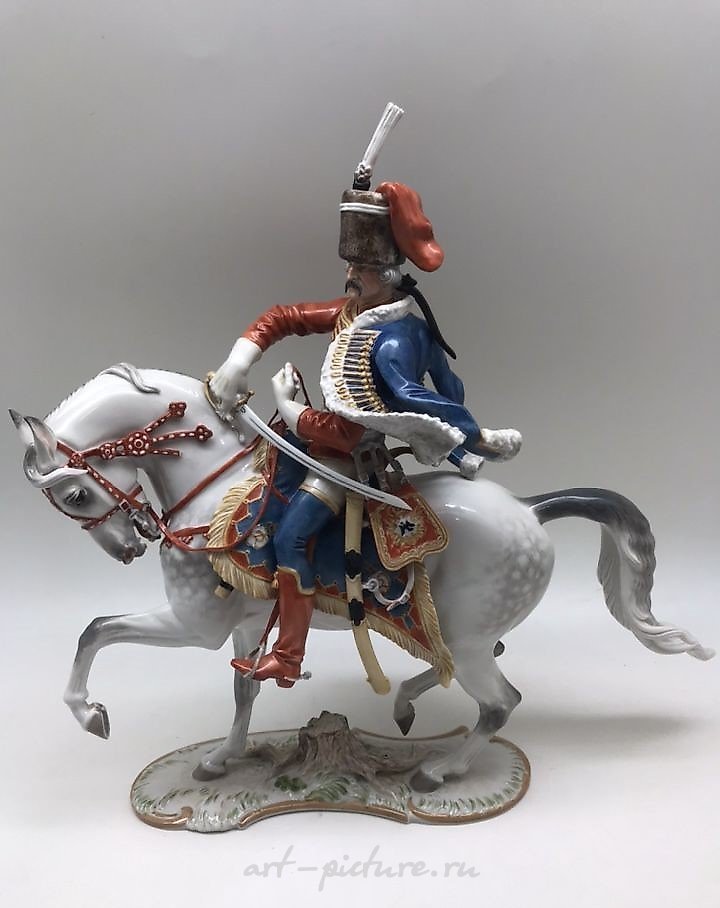 Zieten Hussar of 1756, Model No. 115 Theodor Kärner, Allach 1 900 000₽