
The Secret Life of Jewelry That Changed Europe and Russia Forever
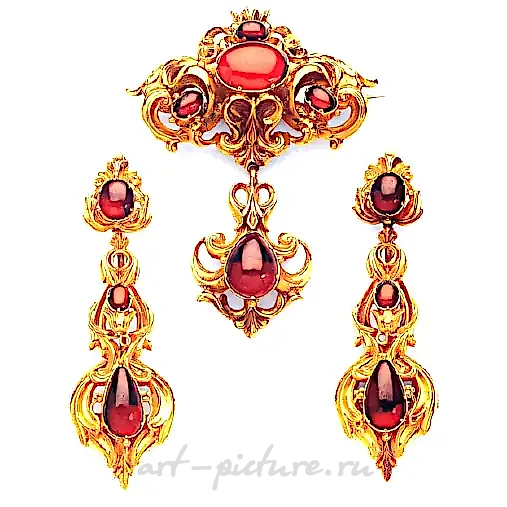
A Ring – More Than Just Metal
Have you ever wondered what kind of soul antique jewelry carries within?
How, seemingly silent, it whispers the stories of vanished dynasties, saturates everyday life with aristocratic brilliance, and sometimes abruptly becomes a symbol of epochal shifts in culture?
Few realize that behind the slender band of a bracelet or the intricate carving of a buckle lies an entire world of contradictions: the striving for eternity and the caprice of fashion, the alluring Western breeze and the call of one’s own land. After reading this story, it becomes clear: true art is always more than just beautiful décor.
The Secret of Two Vectors: Between Europe and Russia
In the 19th century, jewelry art experiences an unprecedented flourishing—a mosaic of styles, shades, and characters, like a complex web of gold and gemstones.
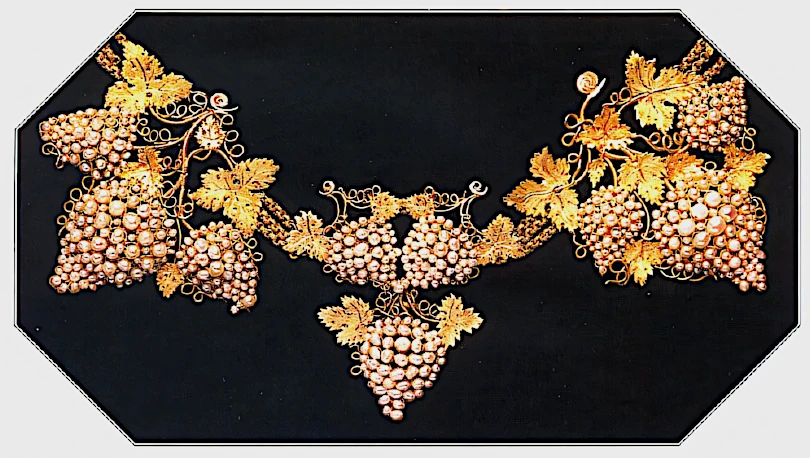
Let's first look at the underlying paradox: artists from Russia, France, and England find inspiration sometimes in their own antiquities, sometimes in the museum halls of Europe, and sometimes in the archaeological discoveries of distant cultures.
On the one hand—international fashion: Neo-Renaissance, Neo-Gothic, Neoclassicism. On the other—a yearning for home, a return to national roots: in Russia, the Neo-Russian style; in England, “Neo-English”; in France, “Neo-French.” Behind this contradiction runs the spirit of historicism—a time when the past is always in vogue.
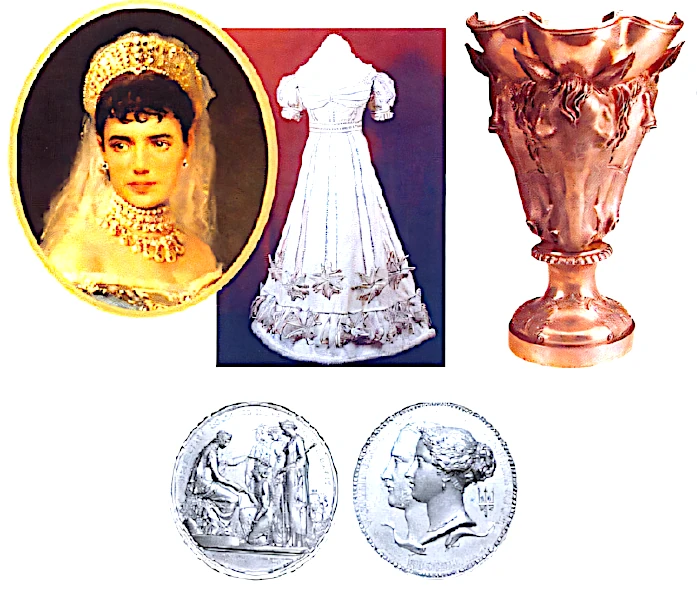
By the early 1830s, European jewelry workshops are filled with mechanical machines: production becomes mass, prices fall, but jewelry loses its individuality. Large firms appear: Fabergé, Sazikov, Ovchinnikov, and their European counterparts—those who strive to keep the aristocratic line, setting themselves against stamped one-day wonders.
Here is a struggle for the soul of jewelry: every brooch reflects the eternal argument between uniqueness and mass production, memory and oblivion.
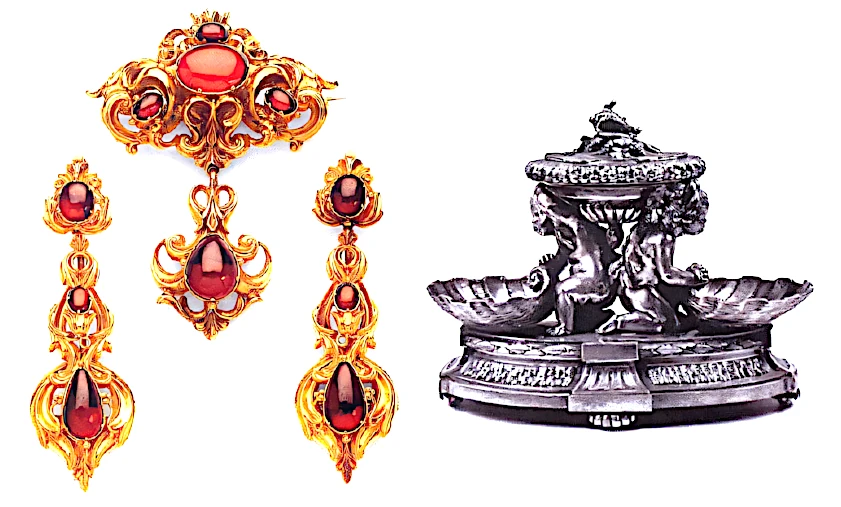
Do you feel how this dilemma is still relevant for contemporary design, where handcrafting has become a luxury once again?
A Sparkling Poem of Everyday Life: Where Stones and Symbols Live
St. Petersburg in the 1840s—the air smells of workshops and hope. Here is young Carl Fabergé, almost still a boy, in his father’s shop on Bolshaya Morskaya Street… A light chime of amethysts, garnets, topazes, diamonds glittering under the kerosene lamp, polychrome silver in the Russian style. These names represent whole dynasties, where art is a family affair, but also a challenge and a passion. In Moscow storefronts, agate, turquoise, mother-of-pearl gleam, and behind every display—fates, doubts, the thrill of discovery.
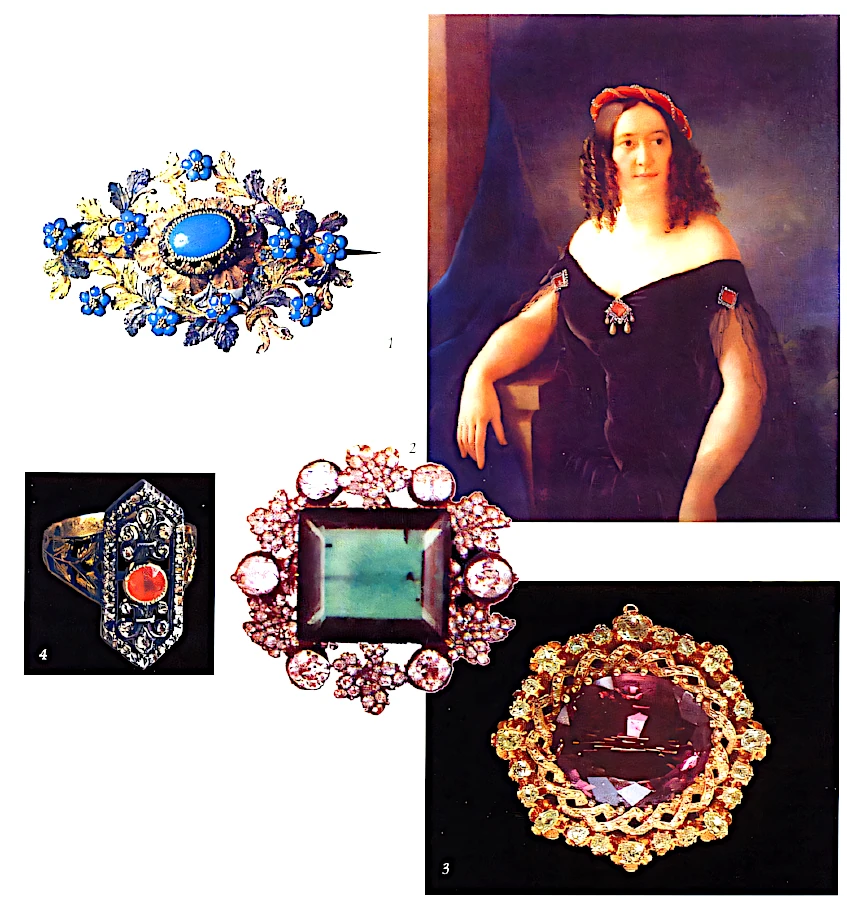
Bouquets are in fashion: roses, chrysanthemums, ivy—not just a botanical echo, but an entire alphabet of feelings. Imagine: a forget-me-not on a brooch—a promise of love; ivy—of friendship; lily—of hope. Tiny symbols, understood only by the initiated, were like secret SMS messages from the past century.
Even today, brands and designers rely on the language of flowers and shapes so that each accessory becomes a personal mark.
Symbols live not only in shapes but also in materials: white berries of chalcedony, red—of coral, leaves and branches—of colored enamel. Sometimes pearls, and if the customer is especially wealthy—precious stones like a rainbow on the wrist. These were not just ornaments, but messages: about oneself, about the times, about feelings so hard to express in words.
Meanwhile, London hosts the first World Exhibition. At its stands—pearl necklaces, proud Irish brooches, Scottish “pebbles,” and Russian enamels. Six and a half million people—one in five Britons—came to see the “global fair of the world,” where jewelry became not only a product, but also cultural exchange, a key to mutual understanding. This exhibition gave birth to museums like the Victoria and Albert Museum and became a magnet for ideas, where artists not only see but feel the pulse of world culture.
Is there a similar feeling today, when Instagram turns every workshop into a window to the world?
France & Russia: Intertwining Tastes, Styles, and Characters
Paris—sets the tone, Russia—searches for itself. Since the end of the 18th century, the French capital is the undisputed fashion leader, and French is the second language of St. Petersburg salons.
Over two centuries, France became not just a temptation for Russia but something greater—a mirror and a barrier in which Russia sought its own reflection, but increasingly saw a foreign face.
Masters from both countries traveled, exchanged secrets, commissioned works from each other—but they always carried within them the seed of difference.
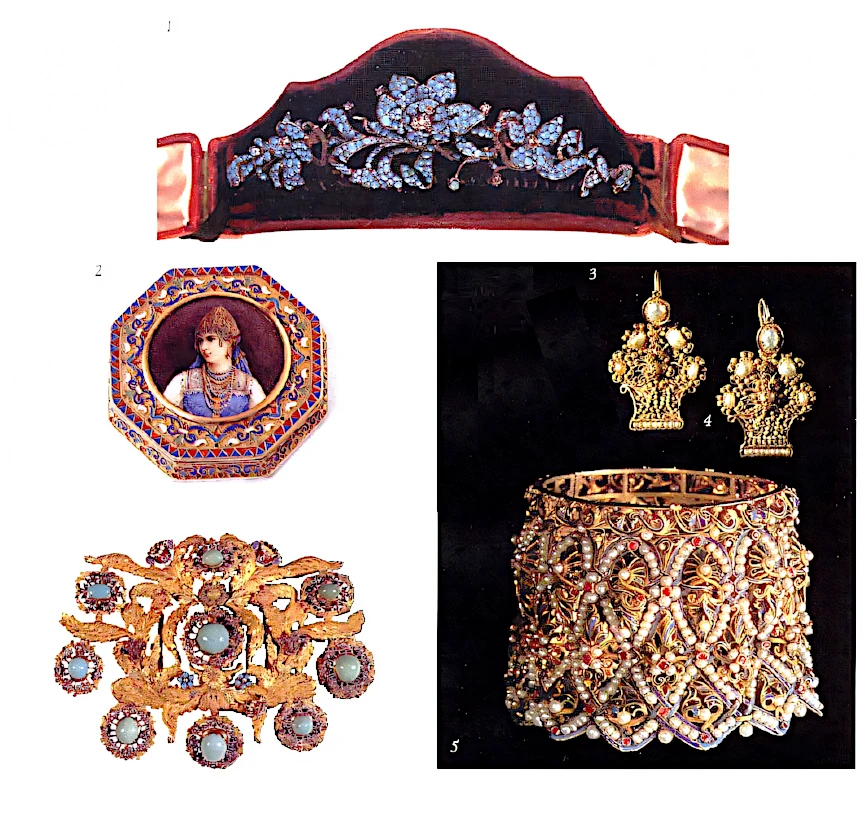
Mid-century French flirted with the East: Japanese motifs in jewelry, stylizations under China, new enamels—all this found its expression in the waves of the future Art Nouveau. Russians, on the contrary, plunged into Orthodox, Byzantine, and even pagan antiquity: carved iconostases, enameled covers, bracelets featuring heroes from epic tales. Thus the Neo-Russian style was formed—not a copy, but a fresh look at the nation’s origins.
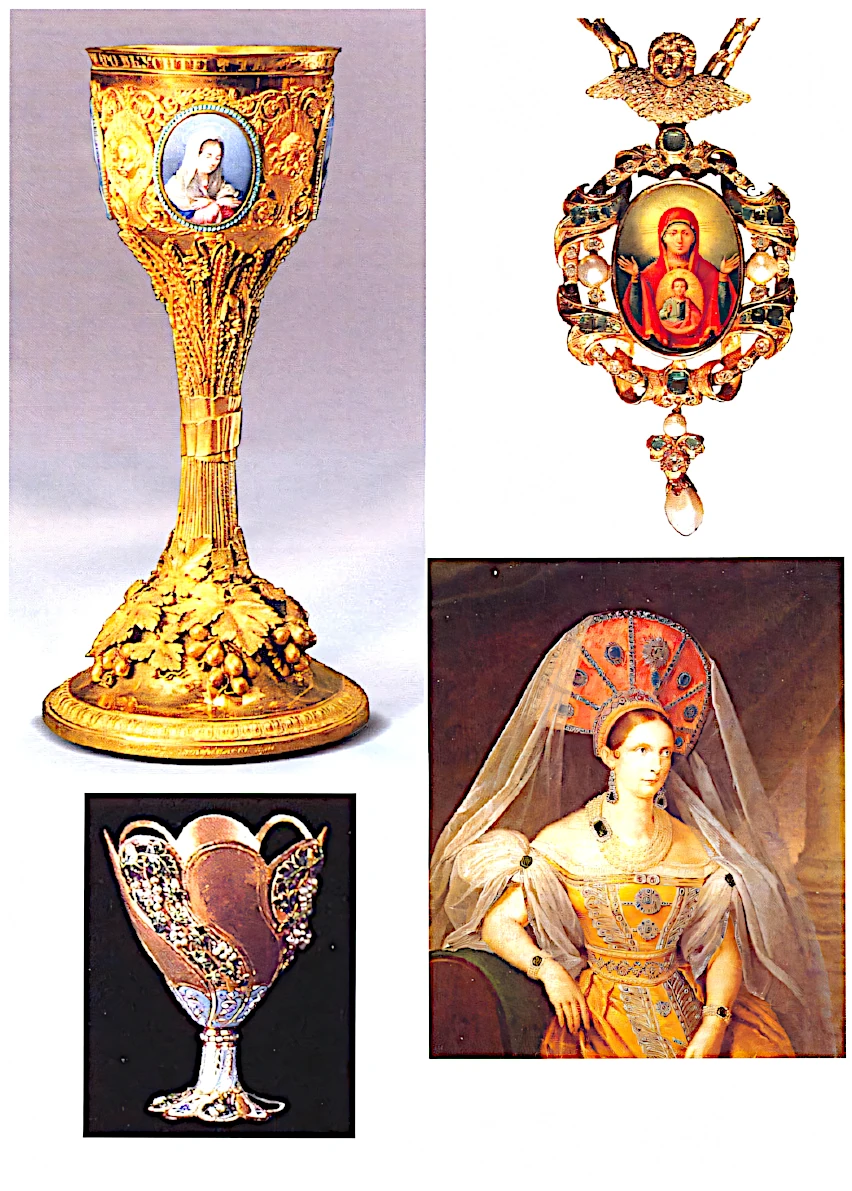
However, the "borrowings" were reciprocated. For example—the famous Moscow panagia (1847): an ecclesiastical item, but designed as a secular ornament; an enameled chalice with cherubim rivaled the elegance of French coffee cups on graceful stands. Russia and France in that century competed over style, not aggressively, but passionately: who could better capture flax, Madonna’s pearly hands, the light in a stained-glass window, or an insect’s wing, to enchant noble connoisseurs once and for all?
Historicism. The Drama of Different Eras on One Runway
The words "neo-", "eclecticism" and "historicism"—the key passwords of the century.
Imagine paintings hanging one after another in an art museum: from Neo-Gothic and Empire style through Biedermeier, to Louis XVI. France changes regimes, Russia turns towards eclecticism, England—the Victorian flashbacks.
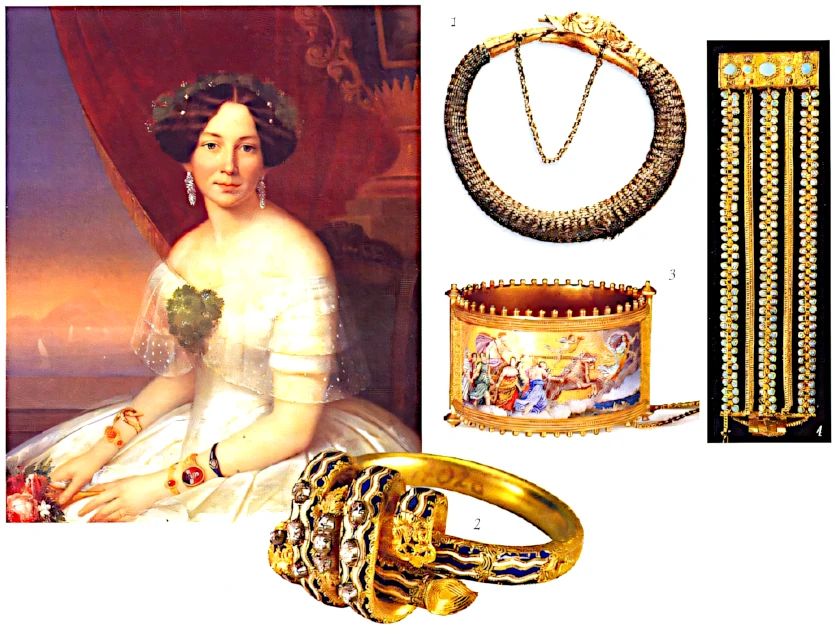
In every 19th-century country—a thirst to choose from past styles and build a "cocktail" of echoes of the Baroque, Renaissance, Antiquity. This was not mere whim but a search for identity in an age where society was torn between tradition and technology, between dreams of the past and the challenges of new days. Industrial exhibitions, fashion magazines, rapid changes of political regime and technical breakthroughs created a special style, in which everyone took what they wanted from the past and turned it into something new.
What’s unique is how in jewelry these metamorphoses appeared through ornament, form, material. From Russia to Europe went Ural gemstones and filigree enamels; from Paris to St. Petersburg—technical innovations. Sometimes, a piece of jewelry became a metaphor for society: combinations of white gold, platinum, massive bracelets and miniature portraits evoked the times of Louis XVI, while the "bourgeois Christmas tree"—a lady in a photo at the century’s end covered in all kinds of flowers and animals—illustrated the desire to show status and belonging to the world of modernity.
The Delight of Change: The Birth of the “Fashion-for-the-Past” in Jewelry
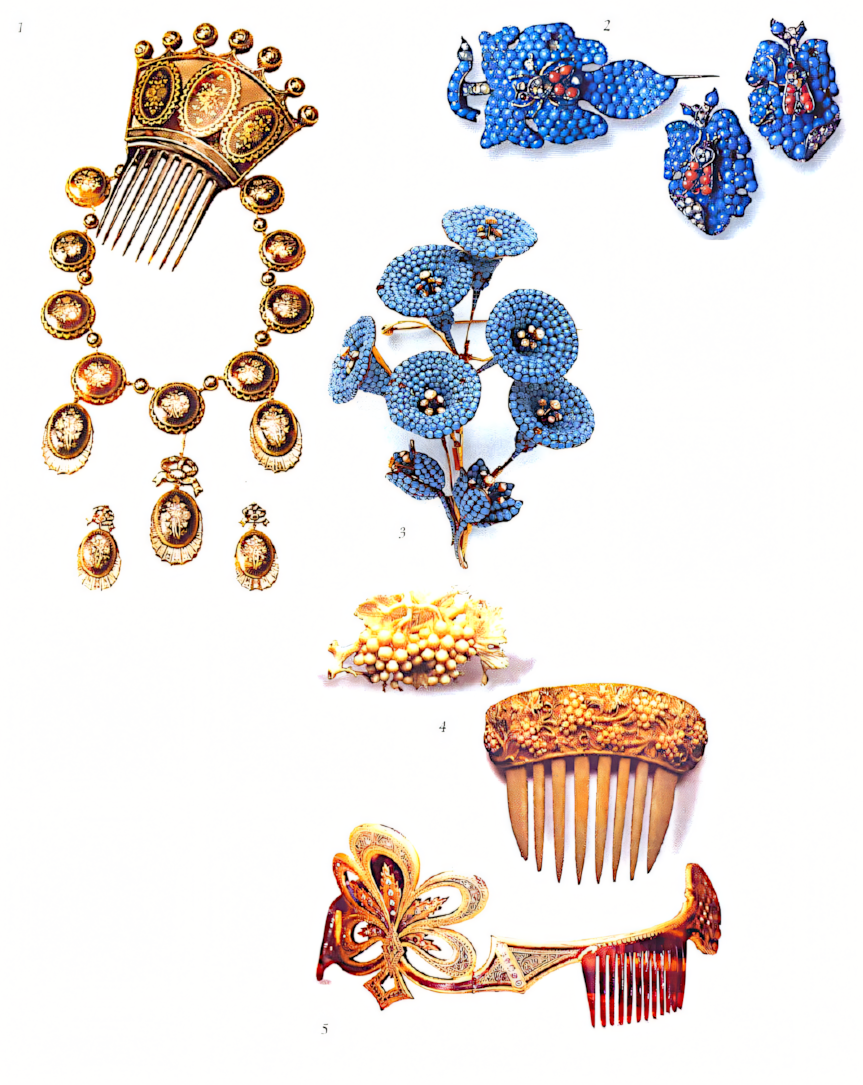
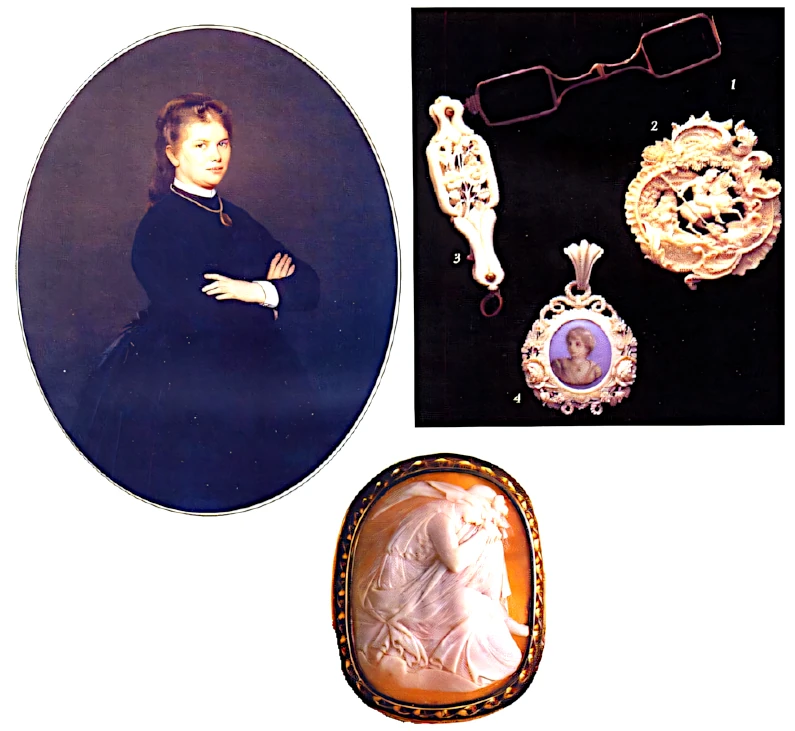
By mid-century, jewelry is rediscovered: combs of carved ivory, cameo brooches, agates, amber, turquoise set in gold and silver. St. Petersburg and Moscow seem to contend with each other as much as Paris and London—who is closer to the future, who preserves the roots. St. Petersburg—fast, technological, with a cold sheen; Moscow—reserved, kind, traditional.
At the International Exhibition in London, Russia stuns the world with pieces from Sazikov, Ovchinnikov, Khlebnikov. The French order Russian enamels; Ural gemstones spread throughout Europe. Remarkably, it was jewelers—not painters or musicians—that put Russia on the world art map so noticeably.
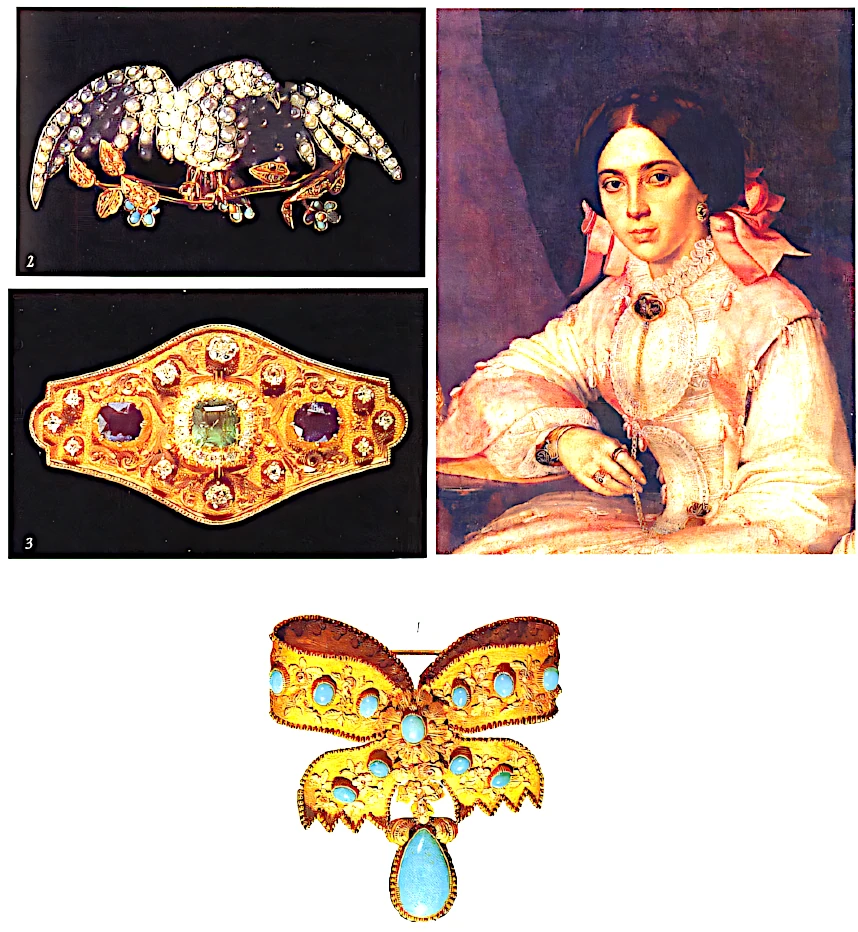
The second half of the century—a time of striving for the unusual. Masters combine metals and stones with glass, ivory, tortoiseshell, even with human hair or shark skin. National style comes into vogue: “Russian ornament” becomes synonymous with the exotic, diamond combs and diadems revive ancient motifs. Costume and jewelry begin to work together, creating a new language for each fashionable gesture. Don’t you think that in the 21st century, fashion still greedily looks back in order to move forward again?
Fashion and Mechanics: The Meeting of Eras on the Alley of Golden Garlands
But both technocrats and poets found a common language. Technology gave jewelers new opportunities: rolling silver, enamel coatings, intricate chains—wonders of mechanics. The “second Rococo” emerges: delicate circlets, modest medallions, simple yet elegant bracelets and rings. Black enamel is combined with transparent stones, strict shawls are fastened with a pin featuring a portrait or cameo. The 19th century became the time when even a simple circle or swirl acquired its own biography!
And another feature of the era: mass production. While the aristocracy still sought exclusivity, the young bourgeoisie wanted everything—more, brighter, higher status! Jewelry becomes the language of the economy; each new bracelet is a reflection of someone’s ambitions. Even photography, which appeared in that era, immediately became a chronicler of fashions and styles, helping to capture the fleeting movement of time.
The Psychology of Style: Between “I” and “We”
19th-century jewelry encompasses so many meanings that its psychological resonance can hardly be overestimated. In every motif—desire to partake of beauty and secret striving to announce one’s uniqueness. The fashion for quoting deep symbols, mixing cultural codes, inventing one’s own ethnic "I" continues today. We still seek, through jewelry, a means to say: I am part of history, but like no one else.
The Secret of the Ring. An Open Question
Where does the art of adornment end and the psychological gesture begin?
What’s the difference between someone who simply wears a ring and one who "rings" their soul in the gold of vanished ages?
Perhaps, 19th-century jewelry art is not only technique and material, but partly an eternal attempt to become part of something greater than oneself?
Think about it: which piece of jewelry has become your own personal symbol of time or memory?
What does your soul wear?
Related lots
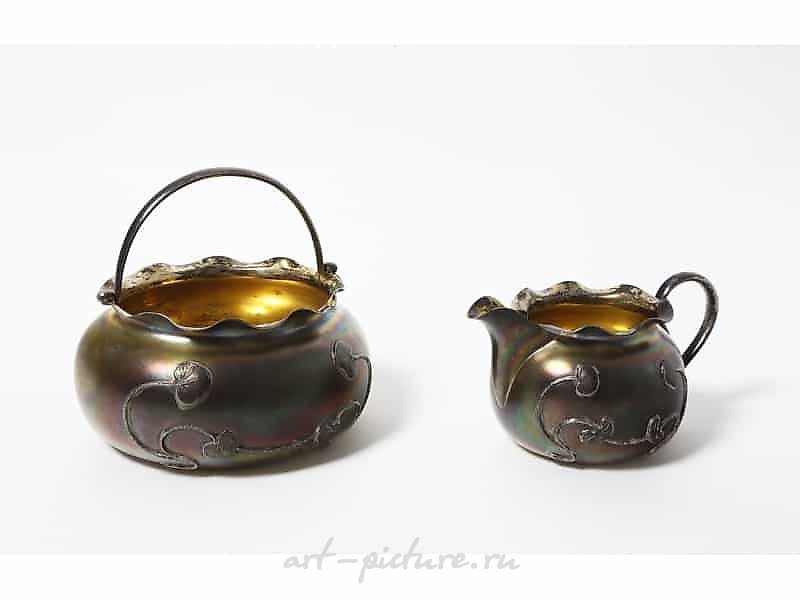 Silver sugar bowl and creamer. Russia, 1899-1908. 220 000₽
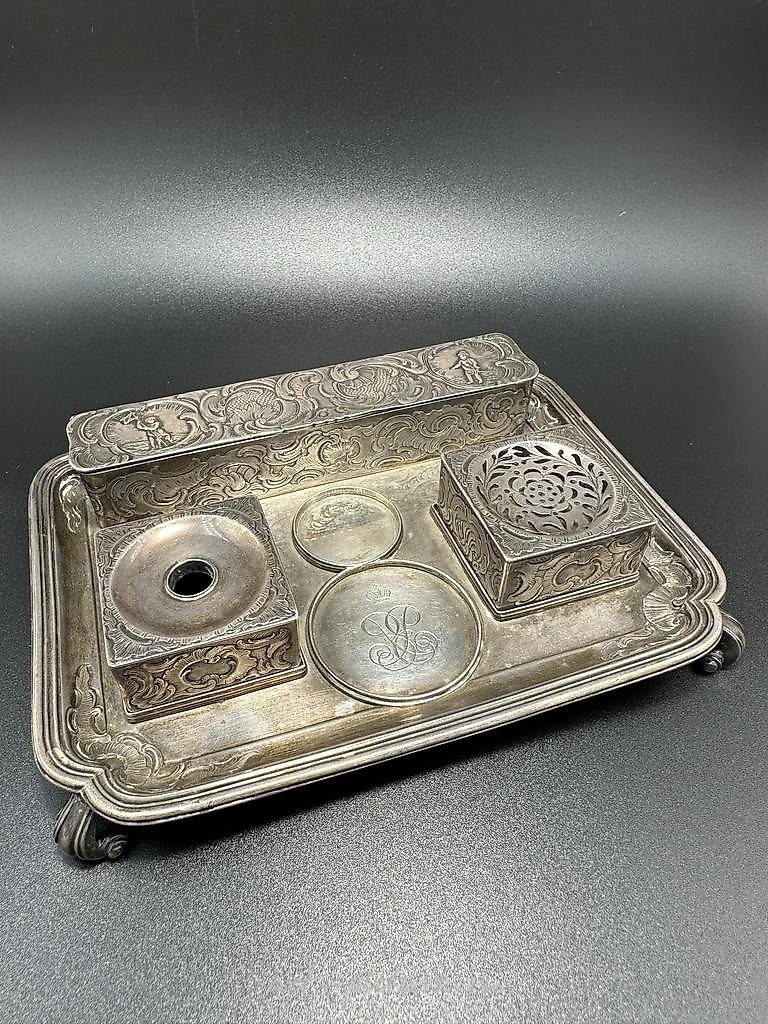 Inkwell, 1752, Russia, Saint Petersburg, belonging to the Russian Empress Elizabeth Petrovna Romanova (from the palace). 14 500 000₽
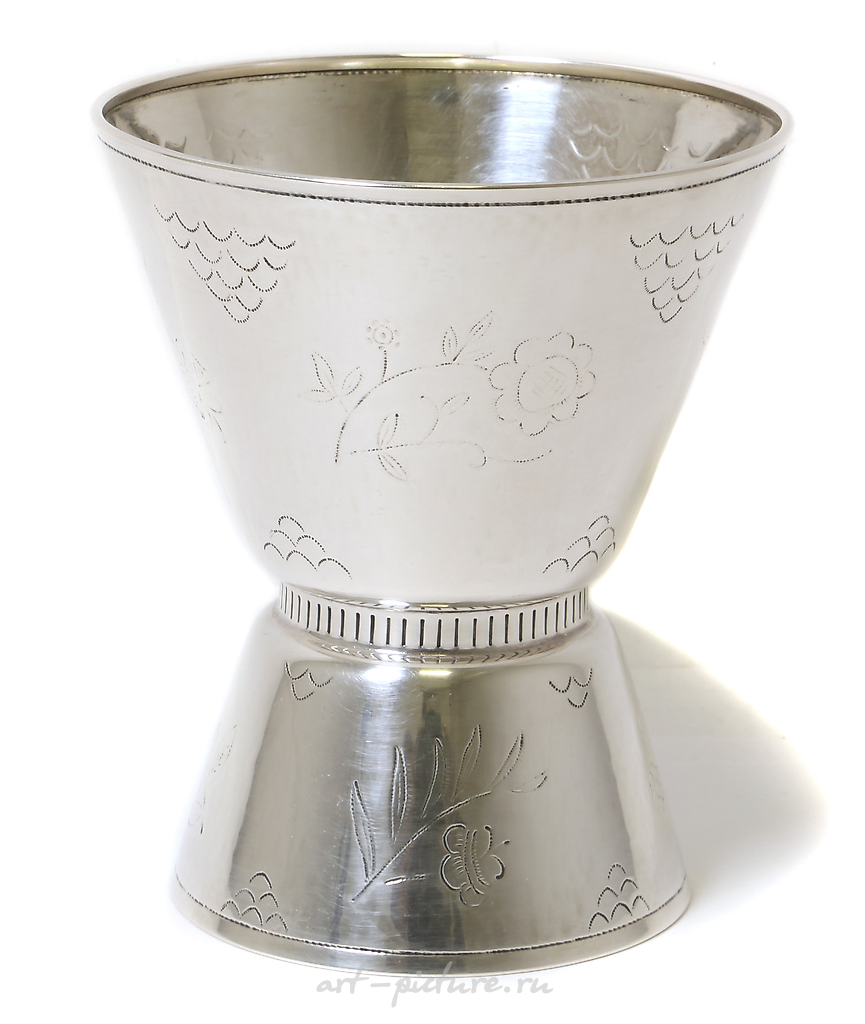 Silver vase 1928, W.A. Bolin 59 500₽
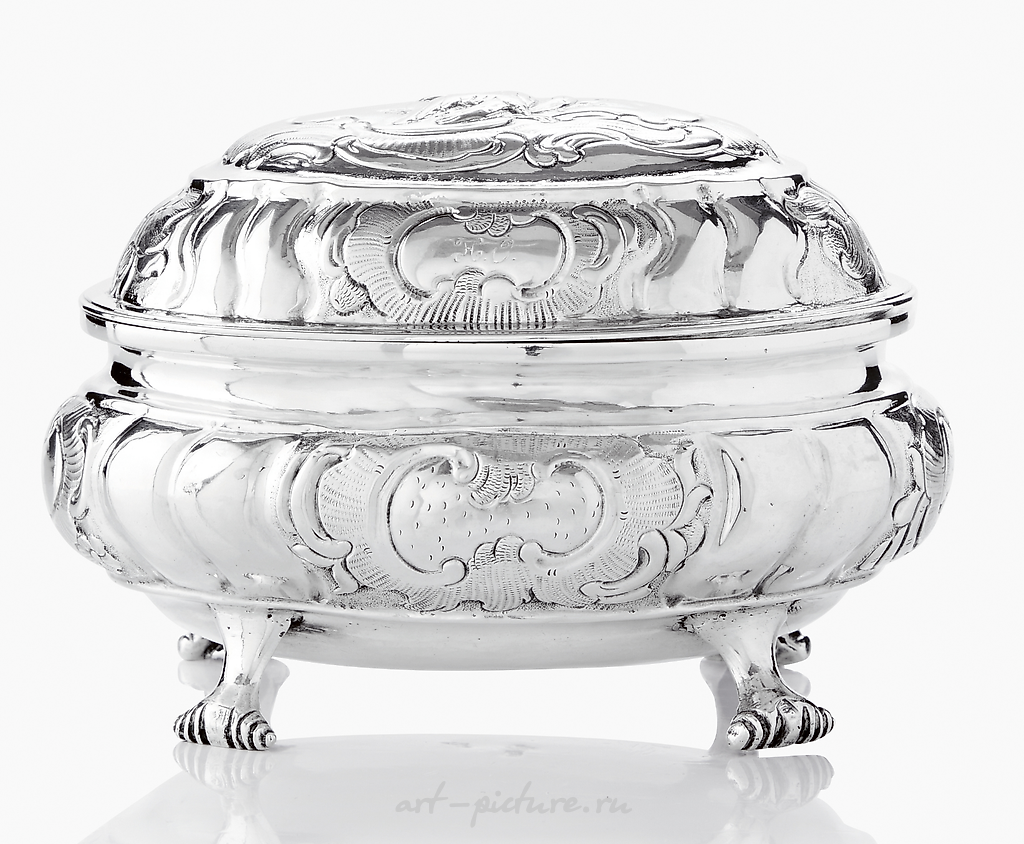 Silver sugar bowl (box). Russia, 1765 - 1771. 310 000₽
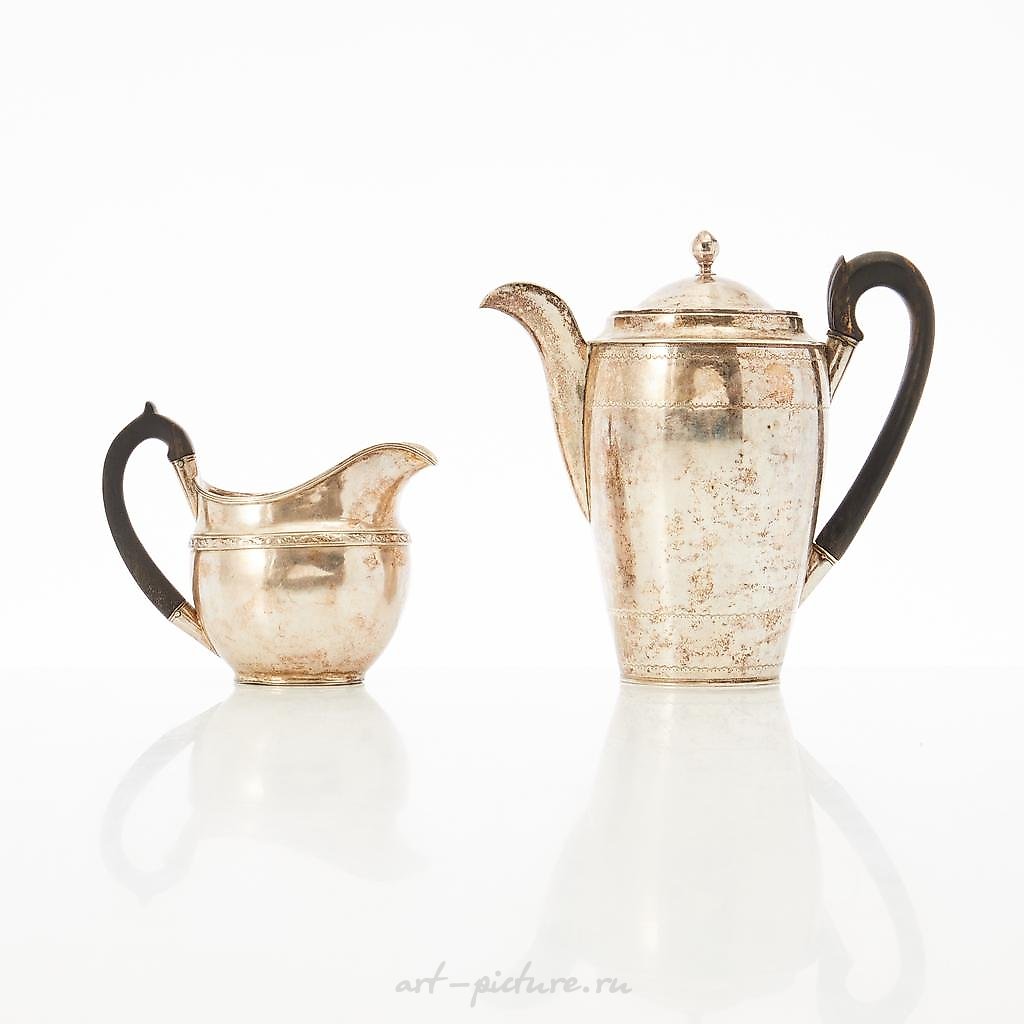 Coffee pot milk jug silver 18th century Russia 320 000₽
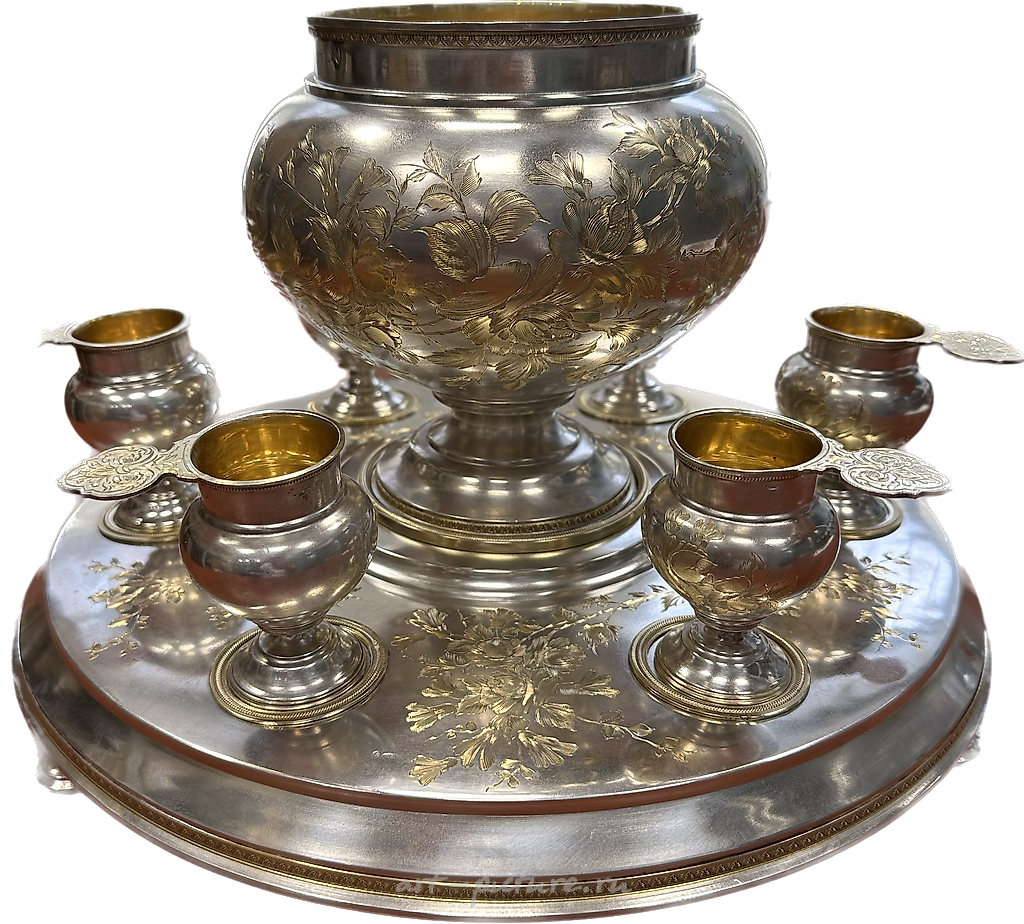 Punch set, Russia, Moscow. Company M.S. Volganinov. 1 550 000₽
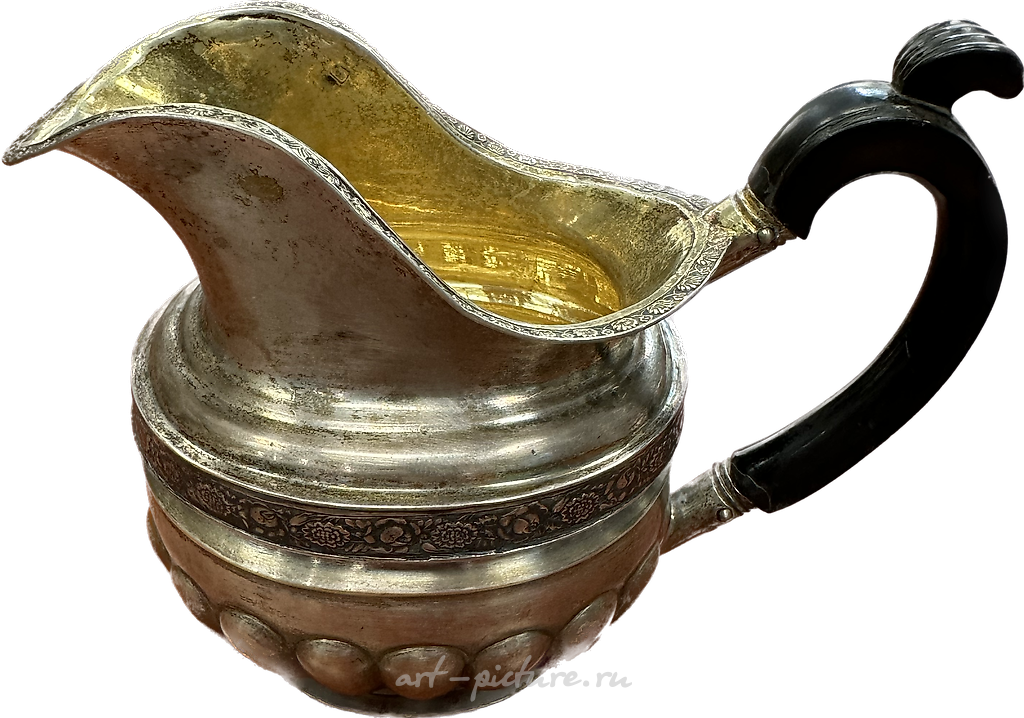 Russian silver creamer. Russia, 1830. 65 000₽
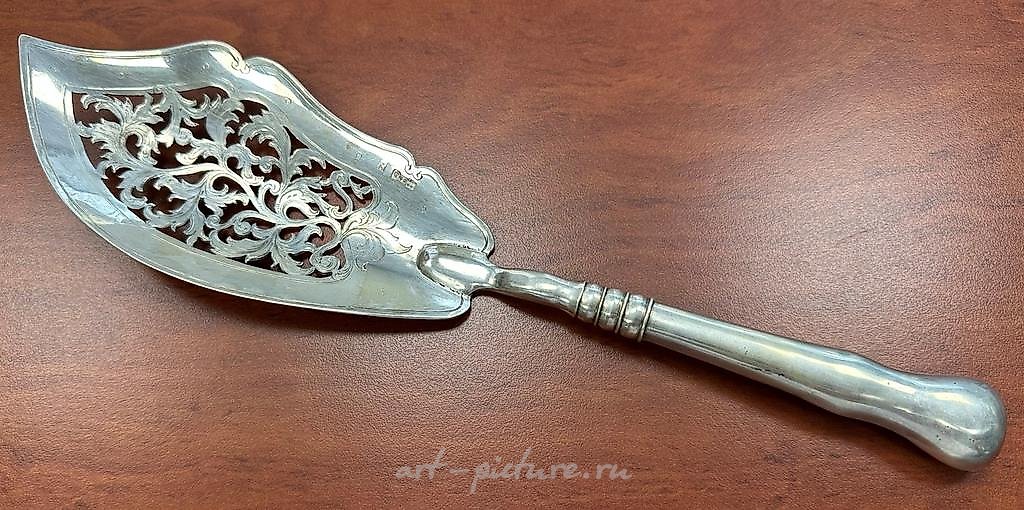 "Solid silver fish serving spatula. Russia, 1845." 35 000₽
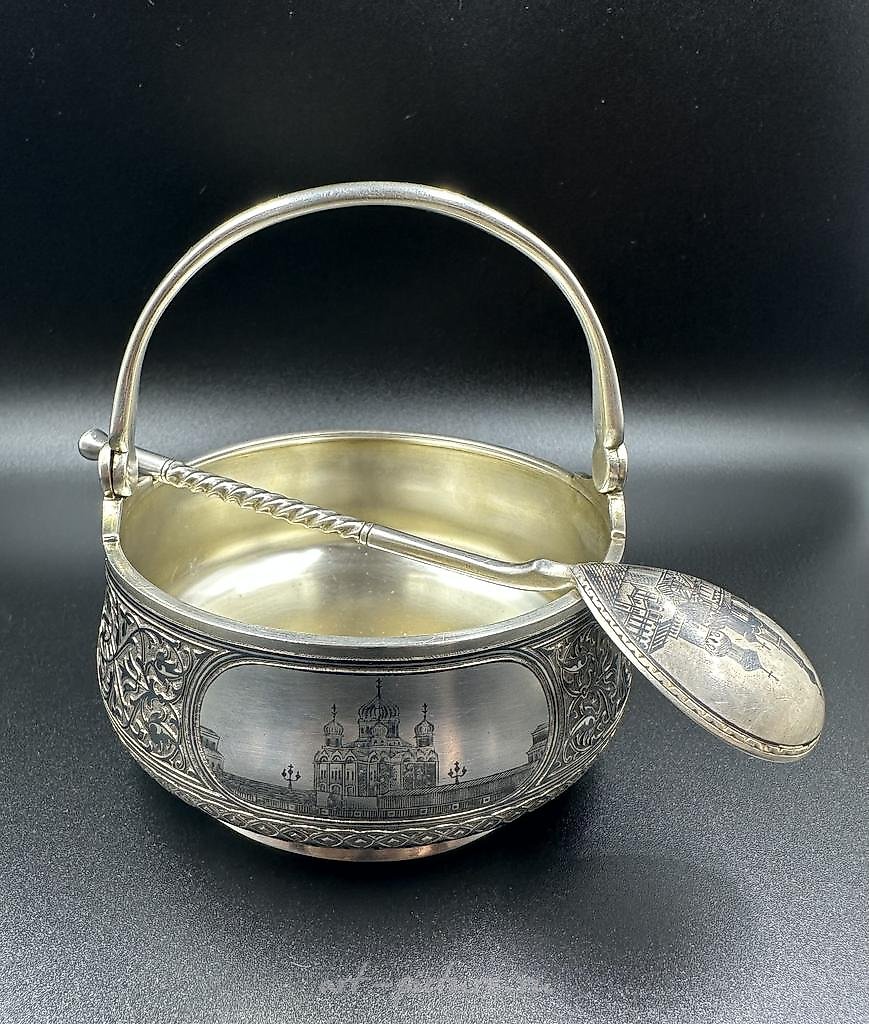 Silver vase with blackened decoration, Semenov. Russia, 1908 - 1917. 390 000₽
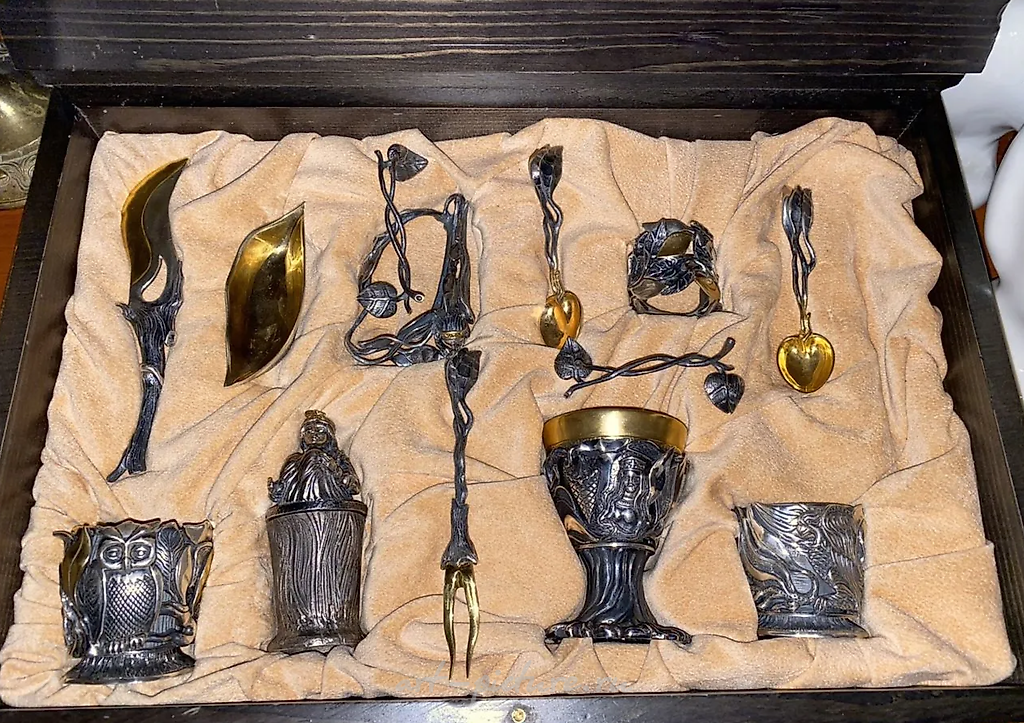 "Silver set of Russian fairy tales" 370 000₽
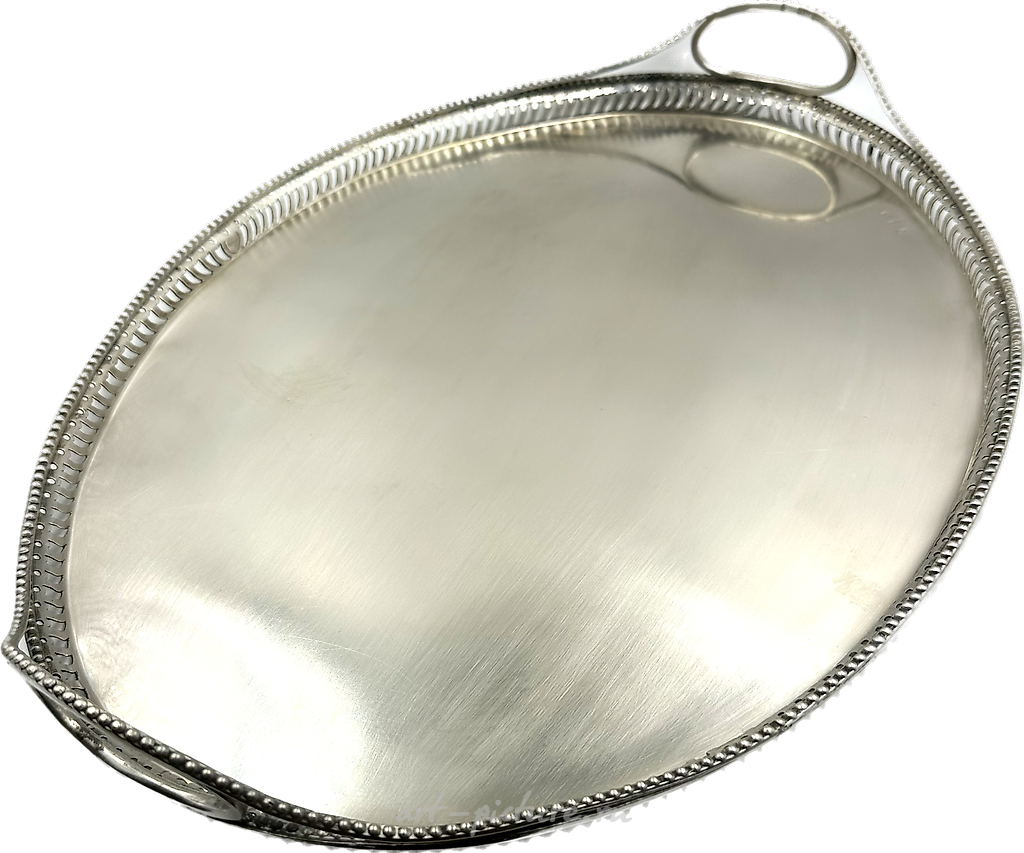 Silver tray in Russian style, 18th century, with side handles, 1798, Kaluga. 240 000₽
 Monumental Art Deco Vase with iron-red decor "Ming Dragon" 1 806 400₽
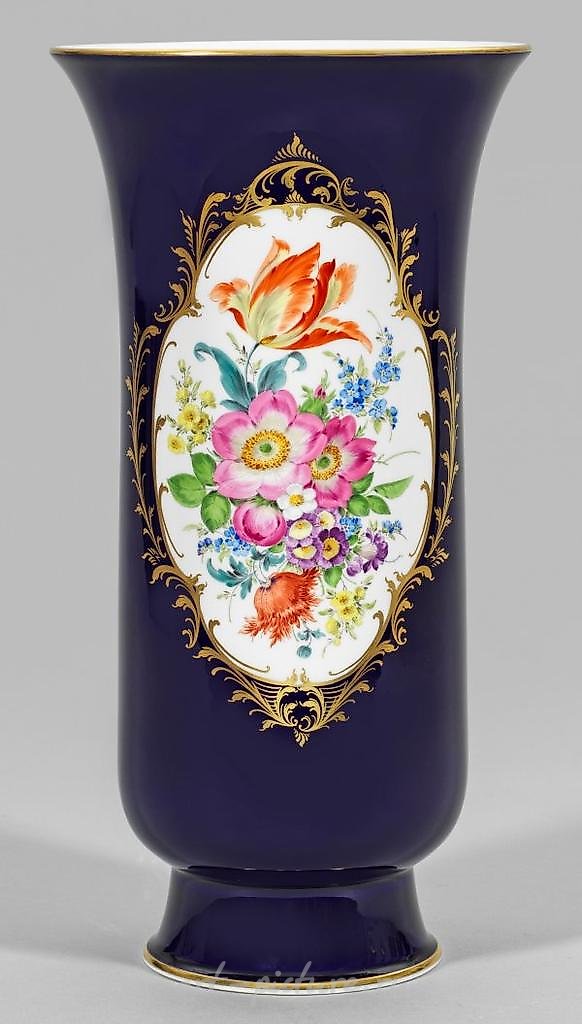 Decorative Vase with Floral Decoration 337 200₽
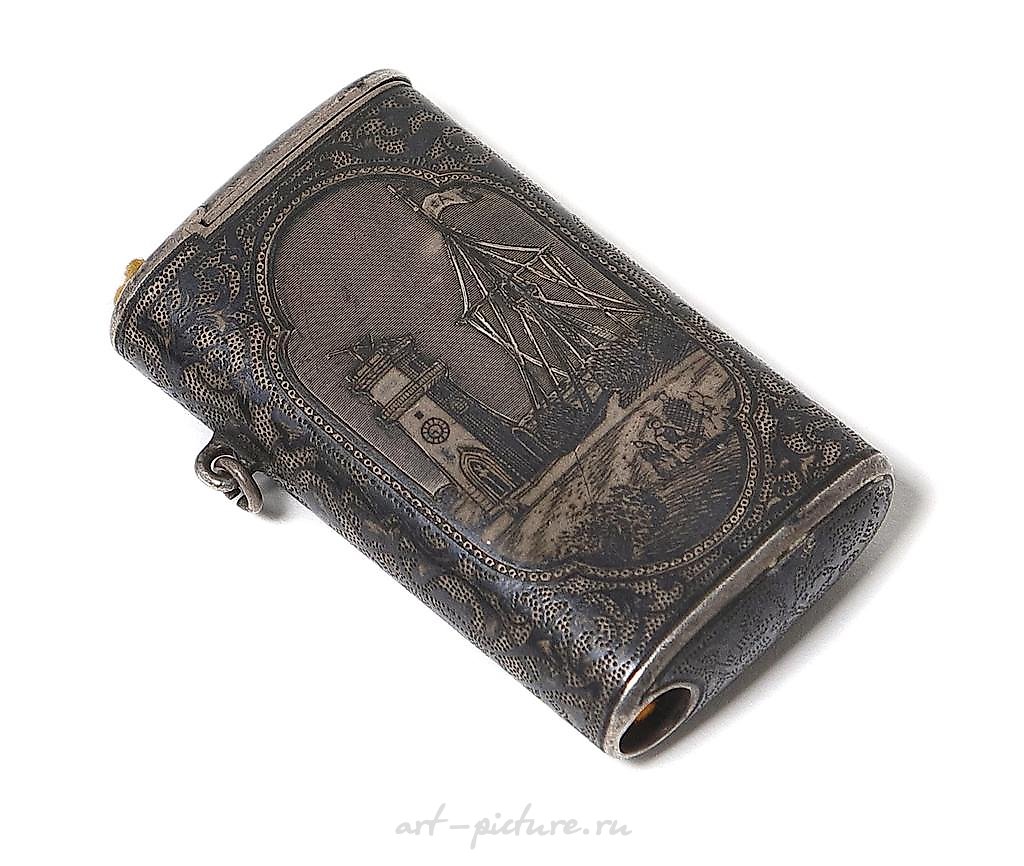 "Silver matchbox, niello, 19th century" 160 000₽
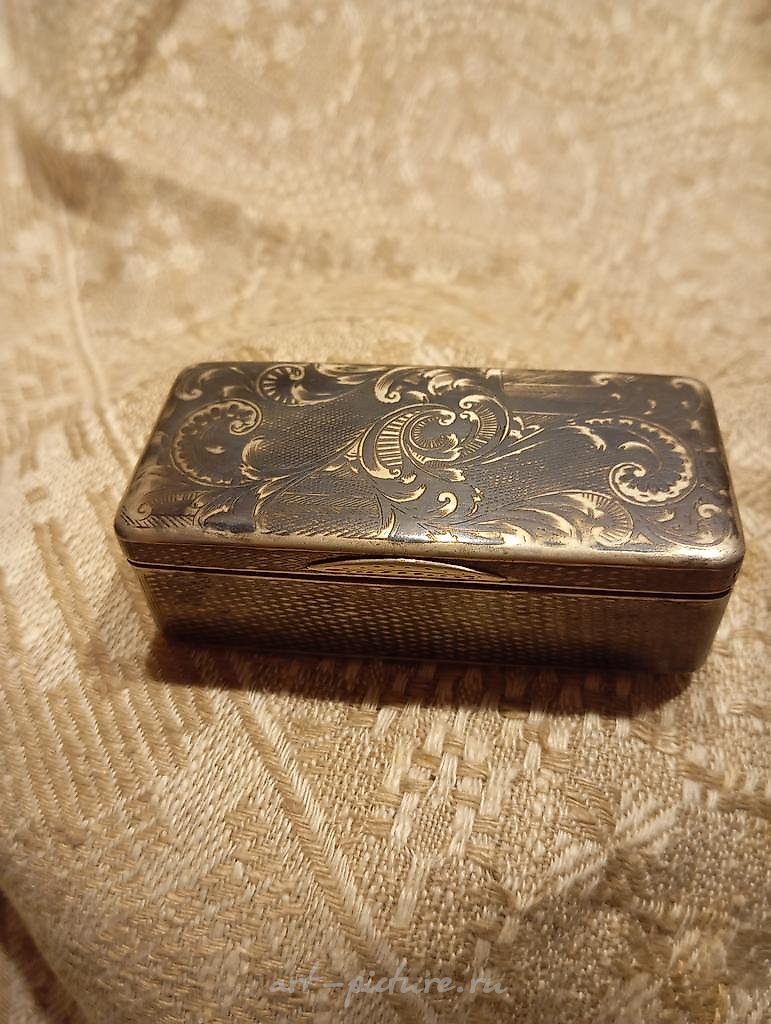 The word "Табакерка" translates to "snuffbox" or "tobacco box" in English. 40 000₽
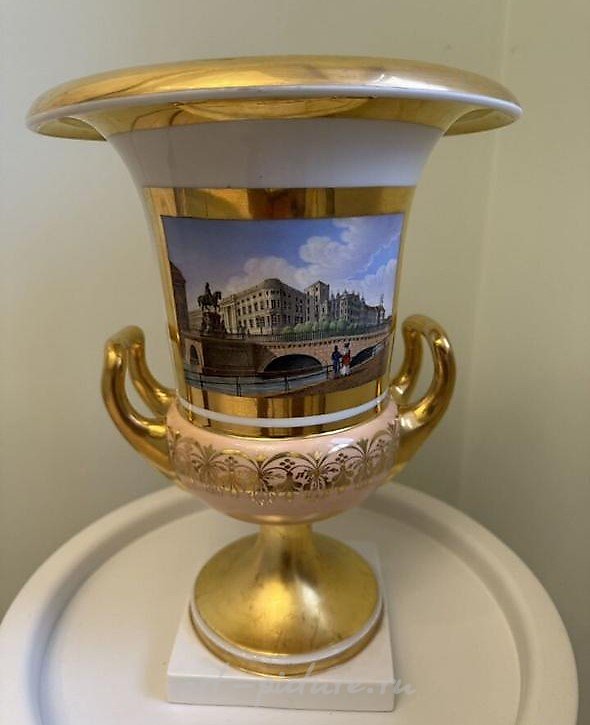 Decorative Krater Vase in Veduta Genre (Architectural Landscapes) KPM 650 000₽
 A vase produced by the Imperial Porcelain Factory in St. Petersburg, during the reign of Alexander II (1860-1870). 540 000₽
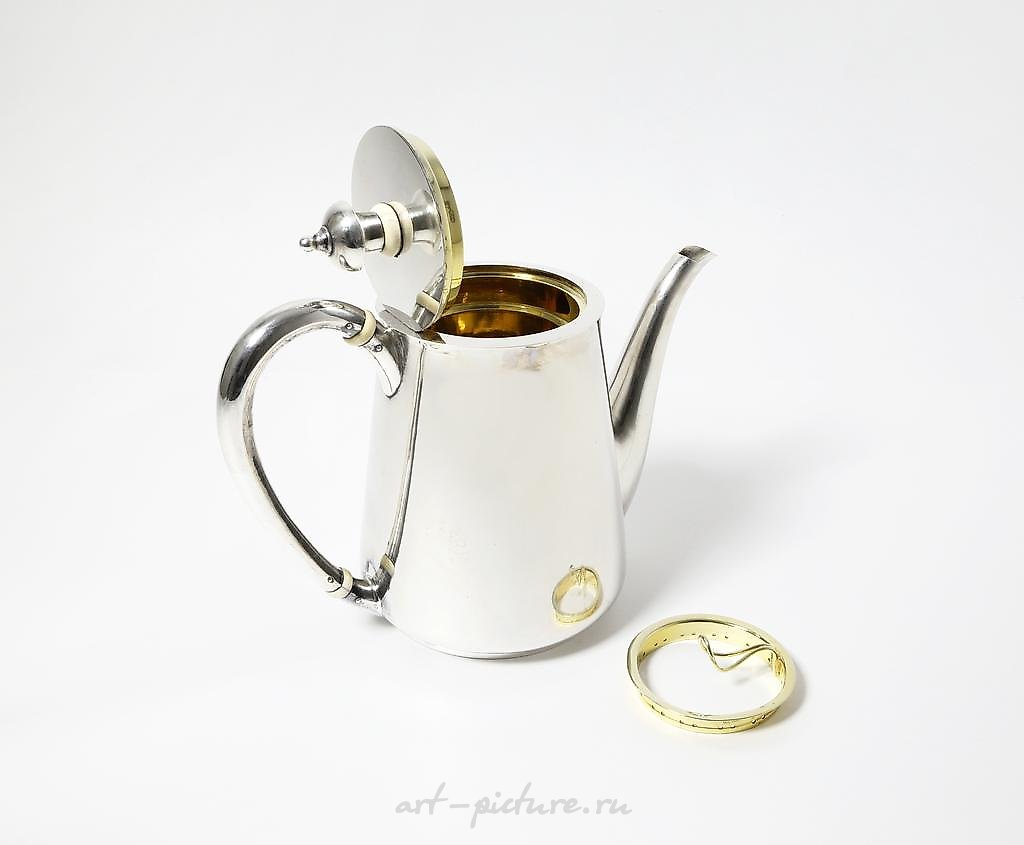 Kettle. Russian Empire (Russia), before 1899, Nicols Karl & Plinke, St. Petersburg. 250 000₽